Introduction to Kitchen Installations
Kitchen installations are fundamental components of home improvement and renovation projects, often serving as pivotal spaces that reflect both functionality and aesthetics. The kitchen is frequently considered the heart of the home, where family members gather to cook, eat, and socialize. Consequently, any renovation undertaken in this area must address various elements, ranging from layout and appliance selection to cabinetry and finishes. This complex nature necessitates careful planning and execution, ensuring that the final product meets the homeowners’ needs and preferences.
Case studies play a significant role in understanding the evolving trends, challenges, and innovative solutions that emerge within the field of kitchen design and installation. By examining specific projects in detail, stakeholders can glean valuable insights into the decision-making processes, project timelines, and the strategies employed to overcome obstacles. Furthermore, case studies can highlight the impact of regional trends, providing a deeper understanding of how local tastes and cultural influences affect kitchen installations.
The recent kitchen installations in Vienna and Bethesda serve as exemplary case studies, showcasing different approaches and innovations tailored to meet diverse client needs. These projects illustrate how modern design principles, such as open-concept layouts and sustainable materials, have reshaped the kitchen experience. As these installations unfold, they not only embody aesthetic considerations but also adapt to practical demands, ensuring enhanced functionality and easy maintenance.
In the following sections, this blog post will delve into individual case studies, drawing attention to specific challenges, solutions, and the overall impact of these kitchen installations on their respective homes. By doing so, readers will gain a comprehensive understanding of contemporary kitchen design and the significant lessons that can be applied in their own renovation endeavors.
Overview of the Selected Case Studies
This blog post presents an overview of five recent kitchen installations in two distinct locations: Vienna and Bethesda. Each case study encapsulates the primary objectives of the project, key stakeholders involved, and notable features or challenges encountered during the installations. These insights will facilitate a comprehensive understanding of the varied approaches to kitchen design and renovation.
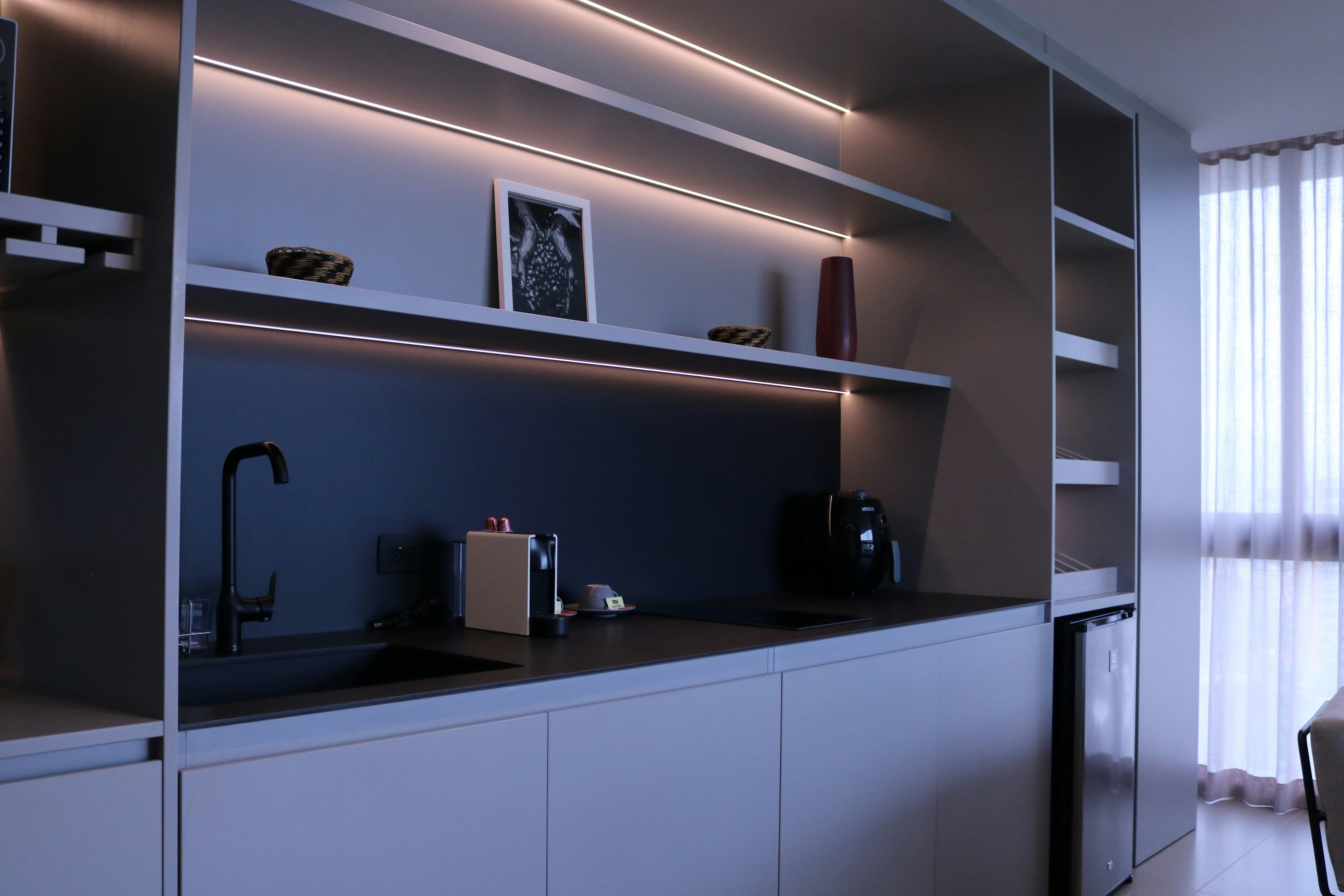
The first case study takes place in Vienna, where the homeowner aimed for a modern, minimalistic design that emphasized functionality. The project involved collaboration with an experienced local designer, who introduced innovative storage solutions that maximized the available space while ensuring a sleek aesthetic. Key challenges included working within the constraints of a compact layout and integrating state-of-the-art appliances seamlessly.
The second study focuses on a family kitchen in Bethesda looking to enhance its traditional charm while incorporating contemporary elements. The primary objective here was to create a warm and inviting atmosphere for family gatherings. The designer’s role was crucial in balancing modern convenience with classic kitchen features. Several challenges arose, particularly regarding maintaining structural integrity while updating worn cabinetry and appliances.
In Vienna, the third project emphasized sustainable materials, reflecting a growing trend towards eco-friendly renovations. This case study highlights the integration of reclaimed wood and energy-efficient fixtures, showcasing a commitment to environmental stewardship. Coordination with local suppliers played a key role in successfully sourcing these materials, although it presented logistical challenges.
Moving to the final case studies, each in Bethesda, the fourth observed a need for a functional space that catered to a busy lifestyle, while the fifth tackled a small island redesign, enhancing usability without sacrificing style. These various goals illustrate the significance of adapting kitchen design to the homeowners’ lifestyles, revealing diverse strategies employed throughout Vienna and Bethesda.
Design Innovations and Trends Observed
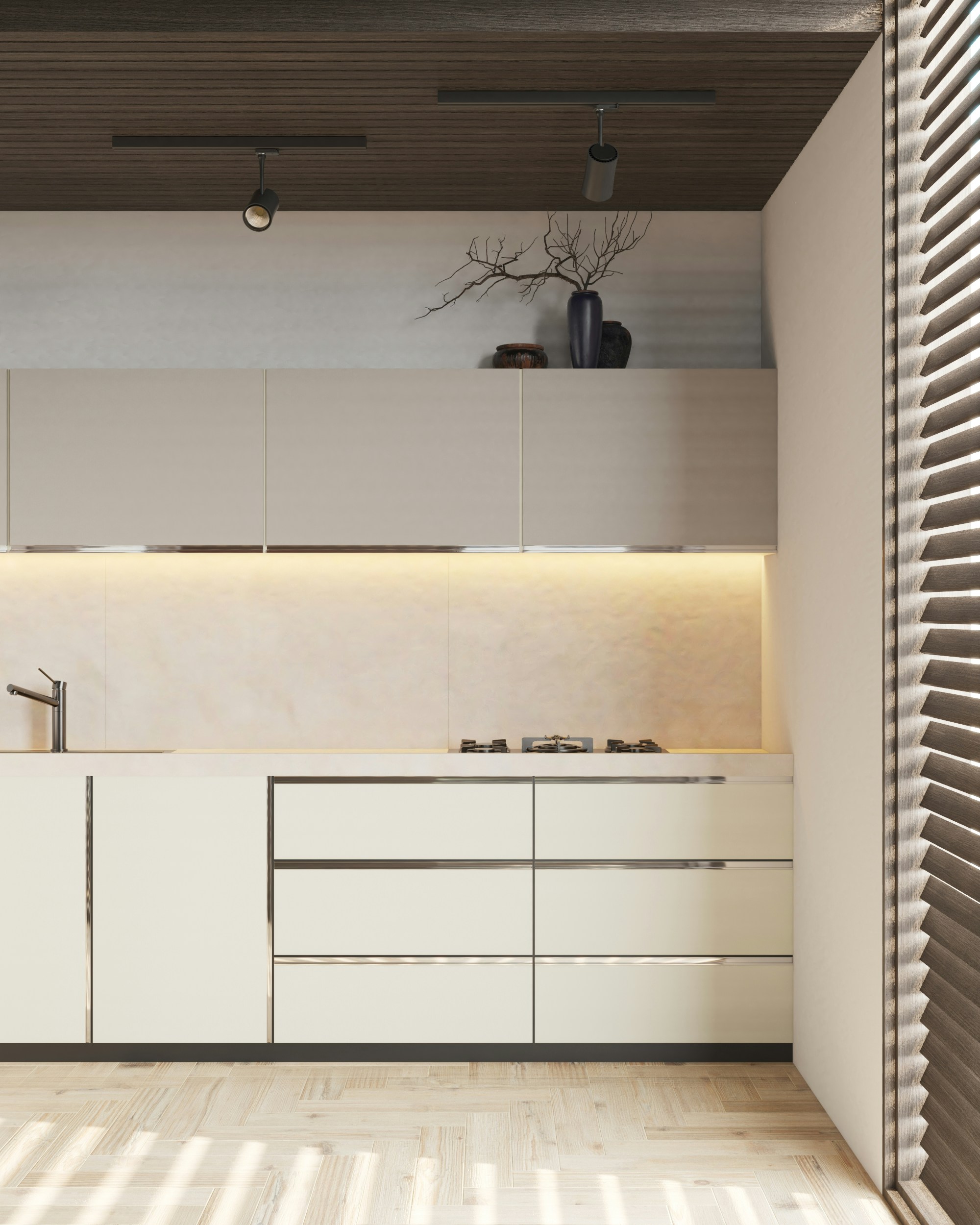
In recent kitchen installations in Vienna and Bethesda, several noteworthy design innovations and trends have emerged, reflecting the evolving needs and preferences of homeowners. A noticeable shift towards modern aesthetics is observed, with clean lines, minimalist designs, and functional layouts increasingly popular. This trend is particularly evident in the use of open-concept kitchens that seamlessly blend with living spaces, promoting a sense of togetherness and efficiency.
Materials used in these installations also showcase a move towards sustainability and durability. Natural materials such as reclaimed wood and bamboo are frequently utilized, not only for their aesthetic appeal but also for their low environmental impact. Additionally, the use of recycled glass countertops and eco-friendly cabinetry has gained traction, indicating a significant shift towards sustainable kitchen designs. These materials not only contribute to aesthetic beauty but also enhance the longevity of the kitchen spaces.
Moreover, the integration of smart home technology has become a central feature in modern kitchens. Automated lighting systems, smart appliances, and advanced cooking technologies promote both convenience and energy efficiency. For instance, many installations now include voice-activated devices that allow homeowners to control various functions hands-free. This infusion of technology reflects a growing trend towards kitchens that are not only functional but also intuitively designed to adapt to contemporary lifestyle demands.
Furthermore, color palettes have evolved to incorporate earthy tones and muted hues, fostering a calming environment that contrasts with the busy nature of urban life. The embrace of biophilic design, which connects interior spaces with nature, is gaining popularity, as evidenced by the inclusion of indoor gardens or herb plants, further promoting a sustainable ethos.
Overall, the analyzed kitchens in Vienna and Bethesda embody a blend of unique design elements, sustainability, and technological adaptations, illustrating the current trends and future directions in kitchen design.
Challenges Faced During Installation
Kitchen installations often yield a host of challenges, manifesting throughout the planning and execution phases. In both Vienna and Bethesda, several logistical issues arose during the installation process, heavily impacting timelines and resources. Typically, space constraints are initially overlooked, leading to difficulties in maneuvering large appliances and kitchen components. This often necessitated last-minute adjustments and creative solutions, pushing project teams to adapt quickly and efficiently.
Moreover, unforeseen structural problems presented significant hurdles for many of the installations. In some cases, walls or flooring that were assumed to be sound were found to have hidden damage, requiring additional reinforcement or complete replacement. These unexpected discoveries can delay progress and increase costs, emphasizing the necessity for thorough pre-installation inspections. Such evaluations help in identifying potential pitfalls, enabling teams to devise contingency plans and reducing the risk of encountering similar issues in future installations.
Design constraints also played a pivotal role in shaping the installation experiences across both locations. Each kitchen came equipped with its unique layout and stylistic demands, leading to challenges related to balancing aesthetics with functionality. At times, this forced designers to make trade-offs that impacted the overall vision of the kitchen. For instance, incorporating specific materials or features may have required innovative installation techniques to accommodate existing structures or align with the homeowner’s vision, thereby leading to an intricate installation process.
Through these challenges, valuable lessons emerged that are critical for future projects. The experiences gleaned from each of these installations underscore the importance of meticulous planning, flexible design approaches, and proactive problem-solving. These insights serve not only to enhance future kitchen installations in Vienna and Bethesda but also to improve overall project management in the home renovation industry.
Client Testimonials and Insights
Homeowners who recently undertook kitchen renovations in Vienna and Bethesda shared their transformative experiences, providing valuable insights into the impact of these renovations on their daily lives. One homeowner from Vienna stated, “The moment we stepped into our newly renovated kitchen, we knew it was worth every penny. The open layout and modern appliances have completely changed the way we interact as a family during meal preparation.” This reflects a common theme among various clients, highlighting how their new kitchens have not only beautified their homes but also enhanced family connections.
In Bethesda, another client remarked, “Before the renovation, our kitchen felt cramped and outdated. The redesign has created an inviting space for friends and family to gather—it’s now the heart of our home.” This sentiment emphasizes the role of a well-designed kitchen in fostering social interactions, revealing how renovations can elevate a homeowner’s lifestyle significantly.
Furthermore, several homeowners expressed satisfaction with the efficiency provided by modern fixtures and energy-efficient appliances incorporated into their designs. A Vienna resident noted, “We are amazed at how much our new appliances have minimized our energy bills while simultaneously improving our cooking experience.” This illustrates a growing trend towards sustainable living, where kitchen renovations not only focus on aesthetics but also on functionality and environmental impact.
Overall, these testimonials provide a personal glimpse into the experiences of homeowners as they navigated their kitchen renovations. The reflections of these individuals underscore the emotional and practical benefits of a well-executed kitchen remodel, revealing that such investments can significantly enhance both the functionality and enjoyment of their homes. As we assess these case studies, the insights from clients serve as crucial reminders of the profound effects that thoughtful design and quality materials can have on everyday living.
Budget Considerations and Financial Impact
When planning a kitchen installation, understanding the budgetary considerations is vital for ensuring that financial resources are allocated wisely. The cost of kitchen renovations in both Vienna and Bethesda can vary significantly based on several factors, including the scope of work, materials chosen, and the complexity of design. In the cases examined, the total expenditures ranged from $15,000 to $75,000, reflecting the diversity in style and preferences of homeowners. The lower-end budgets often included basic upgrades while higher budgets featured extensive customizations and high-end appliances.
Financing options for these kitchen installations play a critical role in the decision-making process. Homeowners often explore various avenues such as personal loans, home equity lines of credit, and specialized renovation loans. Some of the projects highlighted in this case study benefitted from utilizing budget-friendly financing arrangements, which allowed for a broader scope of work without exceeding financial limits. Additionally, it is prudent for homeowners to engage in open discussions with contractors regarding potential unexpected costs that may arise during the project, ensuring that a contingency budget is available to mitigate financial strain.
An analysis of the financial implications reveals that the return on investment (ROI) for kitchen renovations can be substantial, with many homeowners recouping a significant portion of their expenditures upon resale. For example, installations in high-demand areas like Bethesda often yield a higher ROI compared to Vienna, which exemplifies the varying economic climates in different regions. Ultimately, a well-planned budget aligned with realistic financial expectations can lead to a successful kitchen transformation that enhances both aesthetics and functionality, making it a worthwhile investment for homeowners in both locales.
Takeaways on Project Management
Effective project management is critical in ensuring that kitchen renovation installations proceed smoothly, and the case studies from Vienna and Bethesda provide valuable insights into this process. One of the primary lessons learned is the significance of thorough planning before the commencement of any project. Preparing a detailed project timeline helps set realistic expectations and ensures that all stakeholders are aligned on the objectives and deliverables. In particular, utilizing project management tools to map out milestones can significantly reduce the likelihood of delays and misunderstandings.
Scheduling also emerged as a fundamental component of successful kitchen installations. Each project showed that flexibility is key when addressing unexpected challenges, such as delays in material delivery or changes in client preferences. Establishing a robust timeline with contingency plans allows teams to adapt without compromising quality. Regularly updating the schedule and sharing it with all participants fosters transparency and helps maintain accountability among team members.
Communication among stakeholders is another crucial takeaway. Regular meetings and status updates can bridge gaps between designers, contractors, and clients, ensuring that everyone is informed of progress and potential issues. Open lines of communication allow for quick resolution of concerns, thus reducing the risk of misalignment. Utilizing collaborative platforms and tools for sharing updates can enhance this aspect significantly.
Lastly, the importance of fostering a collaborative team culture cannot be overstated. Encouraging teamwork among all professionals involved, from architects to installers, led to innovative solutions and improved problem-solving during the projects. A collaborative approach fosters mutual respect and trust, which are vital for navigating the complexities of kitchen renovations. By applying these project management insights, future kitchen renovation endeavors can benefit from enhanced efficiency, communication, and satisfaction for all parties involved.
Impact of Local Design Influences
The design of kitchens in Vienna and Bethesda is significantly shaped by local cultural influences and prevailing design trends, reflecting the unique architectural heritage and lifestyle preferences of each region. In Vienna, traditional European aesthetics often inform kitchen layouts. Homes tend to feature elegant cabinetry, refined finishes, and a strong focus on craftsmanship. The influence of historic Viennese architecture can be seen in the use of decorative elements, high ceilings, and expansive windows that invite natural light. Homeowners in this city often prioritize functionality while maintaining a connection to their cultural roots, favoring designs that combine both traditional and modern elements.
Conversely, Bethesda exhibits a different approach to kitchen design, characterized by contemporary styles that focus on minimalism and practicality. Local trends emphasize open-concept layouts to enhance space and facilitate social interaction, reflecting the lifestyle of families in this suburban area. Materials such as quartz and stainless steel are frequently used to create sleek looks that prioritize durability and ease of maintenance. Homeowner expectations in Bethesda may lean more toward integrating smart technologies into kitchen spaces, aligning with modern sensibilities and an increasing demand for convenience.
These regional differences not only dictate aesthetic choices but also influence how kitchens are assembled and function. For instance, the utilization of local materials can be seen in both cities; while Vienna may favor classic woods and intricate tile work, Bethesda kitchens often highlight eco-friendly options and adaptable designs. This intersection of culture and design trends enriches the overall architectural narrative, resulting in kitchens that are not only functional but also tell a story of their locale. Understanding these local influences is essential for homeowners and designers alike to appreciate the significance of place in kitchen installations.
Conclusion and Future Trends
Through the analysis of five recent kitchen installations in Vienna and Bethesda, we have identified several valuable lessons that can significantly enhance future kitchen designs and installations. One of the most prominent insights is the critical importance of integrating functionality with aesthetic appeal. These case studies highlighted how homeowners prioritize spaces that not only look good but also accommodate their daily needs efficiently. Thus, designers are encouraged to create layouts that enhance usability while maintaining a cohesive design narrative.
Additionally, sustainability emerges as a significant trend in kitchen renovations. Increasingly, homeowners are seeking eco-friendly materials and energy-efficient appliances, emphasizing the need for designers to stay informed about sustainable options available in the market. The trend towards minimizing environmental impact suggests that future kitchen installations will see a greater incorporation of renewable materials and appliances that reduce energy consumption. This move not only caters to the growing consumer consciousness regarding sustainability but also aligns with industry regulations promoting green building practices.
Technological integration is another vital trend noted in the analyzed case studies. Smart home technology is increasingly influencing kitchen designs, with features such as smart lighting, temperature control, and advanced appliance connectivity gaining traction among homeowners. As more individuals embrace smart technology, designers must be proactive in incorporating these elements into new kitchen installations, ensuring that they meet the evolving demands of modern living.
In conclusion, the lessons learned from these recent kitchen projects underscore the need for continual adaptation in design approaches that reflect homeowners’ preferences and lifestyle changes. By prioritizing functionality, sustainability, and smart technology, future kitchen installations can achieve greater satisfaction, efficiency, and appeal, ultimately contributing to the ongoing improvement and innovation within the kitchen design industry.