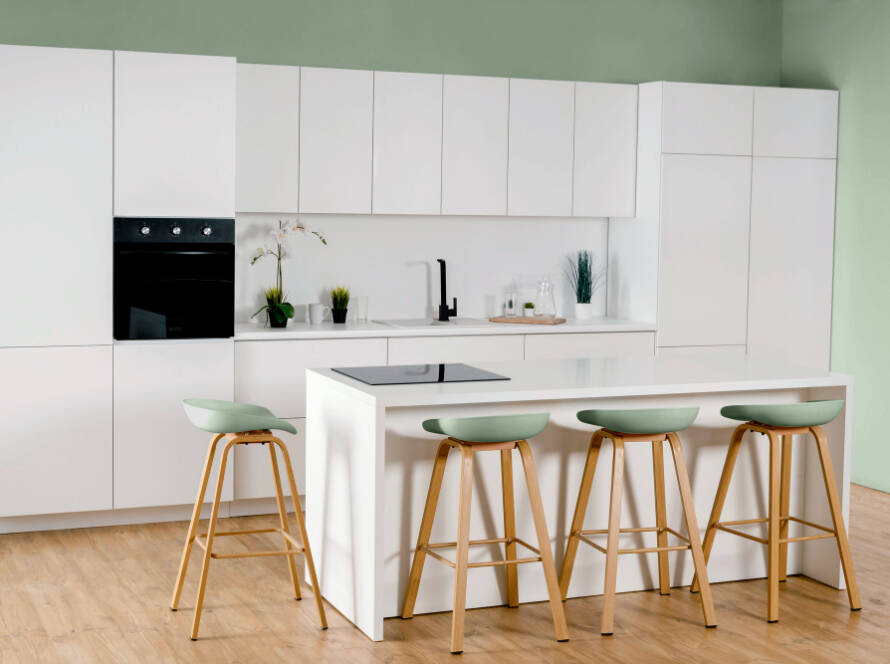
Understanding Modular Cabinet Systems
Modular cabinet systems are innovative storage solutions designed to cater to the diverse needs of modern living spaces, particularly in urban settings where square footage is often at a premium. Unlike traditional cabinetry, which tends to be fixed in design and functionality, modular systems offer a versatile approach. They comprise individual units or modules that can be combined in various configurations, enabling homeowners to customize their storage according to specific requirements and space limitations.
One of the standout features of modular cabinet systems is their adaptability. They can be mixed and matched to create bespoke settings that suit the aesthetic and functional demands of any room. This flexibility is particularly beneficial for modern apartments, where residents may need to optimize every inch of available space. With modular systems, it is possible to design functional storage solutions that not only enhance utility but also contribute to overall interior design aesthetics.
The trend towards modular cabinet design reflects a broader shift in consumer expectations. Homeowners increasingly seek designs that not only address practical needs but also resonate with their personal style. This has resulted in a wide array of styles, colors, and materials available in modular cabinet systems. It is not uncommon to find options that seamlessly integrate into various settings—from minimalist and contemporary designs to more traditional and ornate appearances.
Moreover, the ability to personalize these cabinets means that modern apartment dwellers can create unique solutions tailored to their lifestyles. Whether it’s maximizing storage in a small kitchen, creating an organized home office, or incorporating stylish elements in a living area, modular cabinets provide a promising answer. As such, they represent a significant evolution in cabinet design trends, aligning perfectly with the needs of modern apartment living.
Space Efficiency and Maximization
In the context of modern apartments, where spatial constraints are a common challenge, modular cabinet systems offer an innovative solution for optimizing space. These systems are designed to adapt to various configurations, ensuring that every corner and nook of a living area can be efficiently utilized. For instance, a modular cabinet can be tailored to fit beneath staircases, protruding alcoves, or in any otherwise underutilized space, providing functional storage solutions that do not compromise the aesthetics of the home.
The versatility of modular cabinet systems makes them an ideal choice for urban living, allowing homeowners to customize their storage solutions. They can be arranged in a variety of layouts, from wall-mounted units that free up floor space to multi-layered setups that encourage vertical storage. This adaptability not only maximizes room efficiency but also creates an impression of openness, which is essential in smaller apartments.
Moreover, these systems can be integrated seamlessly into different areas of a home. For example, modern apartment cabinets in the living room can serve as bookshelves, display cases, or entertainment centers, while in the kitchen, they can efficiently store utensils and appliances without overwhelming the area. This multifunctionality is a key advantage of modular cabinet systems, catering to both aesthetic appeal and practical user needs.
Alongside their space-saving capabilities, modular cabinets align with current cabinet design trends that emphasize minimalism and simplicity. With a clean, streamlined look, they enhance the overall architecture of modern apartments and promote a clutter-free environment. Ultimately, the implementation of modular cabinet systems contributes significantly to the maximization of space, ensuring that even the most compact dwellings can be both functional and stylish.
Customization Options
Modular cabinet systems have transformed the landscape of cabinet design trends, particularly in modern apartments where space is at a premium. One of the most compelling advantages of these systems is the extensive range of customization options available. Unlike traditional cabinetry, which often comes in standardized sizes and finishes, modular options allow homeowners to select every aspect of their storage solutions to align with their individual preferences and functional requirements.
The customization begins with materials. Homeowners can choose from a plethora of options, including wood, laminate, or metal, each offering a distinct aesthetic and texture that complements the overall theme of the apartment. The finish selected can drastically alter the look and feel of the space; for instance, a sleek matte finish may lend a modern touch, while a glossy surface can create an elegant ambiance. Additionally, sustainable materials are gaining popularity, catering to eco-conscious consumers prioritizing green living.
Sizes are another significant component of modular cabinet systems. These systems can be measured precisely to fit the available space, be it in a compact kitchen, living area, or bathroom. This level of precision is crucial for modern apartments, where typical dimensions may not accommodate standard cabinet sizes. Furthermore, functional storage solutions can be designed with various compartmentalizations, ensuring that every item has its designated place, minimizing clutter, and maximizing utility.
Moreover, modular systems offer flexibility in design. Homeowners can create open shelving for decorative elements or close compartments to maintain a streamlined, neat appearance. Such versatility enables the owner to curate a space that is not merely functional but also a reflection of their personal style and taste.
Sustainability and Eco-friendliness
In recent years, the movement towards sustainability has permeated various sectors, including the realm of furniture design. Modular cabinet systems are increasingly being recognized for their commitment to eco-friendliness, making them a preferred choice for modern apartment cabinets. Many manufacturers are prioritizing the use of sustainable materials that not only meet aesthetic expectations but also align with global efforts to reduce environmental impact.
Eco-friendly materials such as bamboo, reclaimed wood, and recycled metals are commonly employed in the construction of these modular systems. Bamboo, for example, is a rapidly renewable resource that requires less energy to process than traditional hardwoods, which contributes positively to overall resource conservation. Reclaimed wood not only offers a unique, rustic aesthetic but also helps to minimize waste by reusing materials that might otherwise end up in landfills.
Moreover, the manufacturing processes for these modern apartment cabinets are often designed to be energy-efficient, minimizing the carbon footprint associated with production. Advanced technology allows for precision cutting and assembly, ensuring that raw materials are used efficiently and that there is minimal waste generated during the creation of the cabinets.
Durability is another crucial aspect of sustainability. Well-designed modular cabinet systems are built to last, which means they are less likely to be discarded over time. This focus on quality not only benefits consumers who seek functional storage solutions but also contributes to a decrease in overall waste generated by disposable furniture. As trends in cabinet design continue to evolve, the integration of sustainability measures will likely become a standard expectation rather than a mere option.
Cost-Effectiveness and Value
In the realm of modern apartment design, modular cabinet systems present a compelling alternative to traditional cabinetry options, particularly when it comes to cost-effectiveness and overall value. Unlike conventional cabinets, which are often fixed in size and shape, modular systems offer a level of versatility that can lead to significant long-term savings. This adaptability allows homeowners to reconfigure their storage solutions as needs evolve, making it a wise investment for the future.
One of the most appealing aspects of modular cabinet systems is their ability to be reused and reconfigured in different spaces, which is particularly beneficial for renters or those who move frequently. This flexibility not only helps reduce the need for purchasing new furniture every time a living space changes but also enhances the value of the property by maintaining a sleek, contemporary aesthetic. Homeowners investing in modern apartment cabinets will find that these systems can be adapted to fit various layouts and styles, ensuring that they remain functional and visually appealing over time.
In addition to saving on replacement costs, modular cabinet systems allow users to maximize their available space efficiently. The right functional storage solutions can significantly increase property appeal, particularly in densely populated urban areas where space is often at a premium. As a result, a well-designed modular cabinet not only serves a practical purpose but also enhances the property’s overall marketability, potentially increasing its value.
By embracing prevailing cabinet design trends that emphasize customization and adaptability, homeowners can achieve both aesthetics and functionality, demonstrating that investing in modular systems is not just about immediate benefits but also about cultivating long-term value.
Aesthetic Appeal and Modern Design
Modular cabinet systems have increasingly become a fundamental aspect of interior design, particularly in modern apartments where space and functionality are paramount. These cabinets are not only practical but also enhance the aesthetic appeal of living spaces. Their sleek lines and minimalist designs align well with contemporary decor trends, providing a sophisticated touch that resonates with the overall modern aesthetic.
One of the remarkable features of modular cabinet systems is their versatility in blending seamlessly with various interior styles. Whether a space is characterized by a minimalist approach, industrial vibes, or a more eclectic atmosphere, these cabinets can adapt to fulfill both aesthetic and practical needs. By selecting cabinetry that complements existing decor, homeowners can create a cohesive look that enhances the overall ambiance of the apartment.
Moreover, modular cabinets serve as potential focal points in a room. Their customizable design allows for unique configurations that can draw attention and contribute to the visual narrative of a space. For instance, a striking modular cabinetry installation can elevate the perception of an entire room, acting not only as functional storage solutions but also as artistic expressions. This intentional design can effectively break the monotony of bland walls or standard furnishings, making the cabinetry an integral part of the home’s personality.
Current cabinet design trends emphasize not just practicality but also an emphasis on aesthetic consideration. The use of sustainable materials and innovative finishes in modular cabinet systems enhances their appeal, catering to environmentally-conscious consumers while adding a modern touch to apartment decor. The combination of appearance and utility ensures that these cabinets not only fit well into the spatial dynamics of contemporary living but also significantly contribute to the overall style and feel of the environment.
Easy Assembly and Disassembly
One of the defining characteristics of modular cabinet systems is their ease of assembly and disassembly, making them particularly appealing for individuals living in modern apartments. Whether you are a renter or someone who frequently relocates, the practicality of these functional storage solutions cannot be understated. Unlike traditional cabinetry, which often requires significant time and effort for installation and may involve permanent fixtures, modular systems provide a user-friendly alternative.
When relocating, the process of setting up a new space can be daunting. However, modular cabinet systems allow for a seamless transition. Each cabinet piece can be easily dissembled, packed, and re-assembled at the new location without the need for professional installation services. This feature significantly reduces moving costs and minimizes the stress often associated with relocating furniture.
Furthermore, the versatility of modern apartment cabinets means that they can be reconfigured to meet the changing needs of their users. For example, if you find that your storage requirements change or if you simply desire a different layout, the ability to disassemble and rebuild your cabinet systems in new configurations provides an added layer of convenience. The modular design caters to both functionality and aesthetics, allowing you to adapt your storage solutions to suit personal preference and space constraints.
The integration of quick-release fasteners and intelligent design further enhances the ease of use that modular cabinet systems offer. Many manufacturers have designed their products to require no additional tools, making assembly straightforward and intuitive. As urban living continues to evolve, the need for modern, flexible, and adaptable cabinet design trends has become paramount, emphasizing the practicality of these systems.
Versatility Across Different Rooms
Modular cabinet systems are designed with versatility in mind, making them ideal for various rooms beyond just the kitchen. Their adaptability allows homeowners to customize storage and organization throughout their living spaces, optimizing the functionality of every area in modern apartments.
In living areas, modular cabinets serve multiple purposes. They can be configured to create sleek entertainment centers, incorporating storage for media devices, books, and decorative items. With countless design options, homeowners can select from open shelves for showcasing art or closed units for hiding clutter. This flexibility ensures that the cabinet design aligns with both aesthetic preferences and practical needs, resulting in an organized and appealing living space.
The bedroom is another key area where modern apartment cabinets demonstrate their multifunctionality. Modular systems can provide not only clothing storage through wardrobes and dressers but also serve as unique nightstands or decorative elements that enhance the room’s overall design. Options such as built-in lighting and integrated shelving are just a few examples of how these cabinets can contribute to a calm and cohesive environment.
Home offices benefit remarkably from the implementation of modular cabinet systems as well. Here, they can create efficient workspaces, incorporating desks with storage units for office supplies, documents, and tech equipment. Tailoring the configuration to embrace vertical space maximizes storage potential while maintaining a clean, uncluttered look that promotes productivity.
Beyond these rooms, the adaptable nature of modular cabinets makes them suitable for entryways, utility rooms, and even bathrooms, providing functional storage solutions across the entire home. Their ability to blend into various styles further enhances their appeal, ensuring a seamless integration into the overall decor. Thus, regardless of the room, modular cabinet systems stand out as an essential element in modern apartment design.
Conclusion: The Future of Apartment Living
As urban living spaces continue to evolve, the importance of adaptable and efficient storage solutions has become increasingly necessary. Modular cabinet systems exemplify this trend by offering a versatile approach to modern apartment cabinets that cater to diverse lifestyle needs. The beauty of these systems lies not only in their aesthetic appeal but also in their ability to provide functional storage solutions that can be easily customized to fit any space.
Looking ahead, it is clear that cabinet design trends are favoring flexibility and personalization, reflecting a broader understanding of how individuals utilize their living environments. In densely populated areas, where square footage is often at a premium, the demand for intelligent storage options has grown. Modular cabinet systems meet this demand by enabling residents to configure their storage solutions in ways that maximize both space and efficiency.
Moreover, as modern apartments become increasingly tailored to the preferences of individual residents, these systems allow for a personalized touch, letting homeowners express their unique style while maintaining practicality. This shift not only improves the overall aesthetic of living spaces but also fosters an environment that supports an organized and clutter-free lifestyle.
In conclusion, the integration of modular cabinet systems into modern apartment design signifies a vital transformation in how we approach space and functionality in urban living. By providing stylish and efficient options for storage, these systems are paving the way for a future where every apartment can be both beautiful and practical, ensuring that residents can truly make the most of their homes.