Introduction to Built-In Cabinet Designs
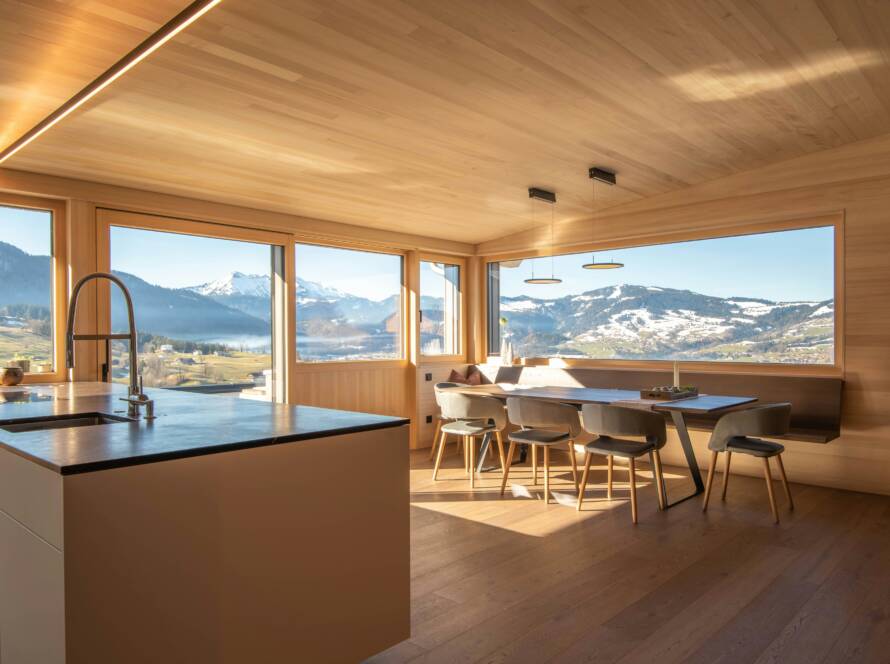
Built-in cabinet designs are specialized storage solutions that are seamlessly integrated into the architecture of a home. Unlike freestanding cabinets, which can be repositioned or moved, built-in cabinets are anchored to walls or other structures, optimizing space by utilizing the full height and width of the area. This integration not only maximizes storage but also creates a cohesive and aesthetically pleasing look throughout the living space.
One of the primary advantages of built-in cabinets is their ability to offer storage optimization in various environments, particularly in small apartments where every inch counts. With their custom designs, built-in cabinets can fit snugly into awkward corners, alongside doorways, or even under window sills, ensuring that otherwise underutilized areas serve a functional purpose. Additionally, they can be designed to match the home’s décor, providing a more uniform appearance compared to the often eclectic mix of freestanding options.
Moreover, built-in cabinet designs often include features like adjustable shelving, pull-out drawers, and modular components, which can be tailored to meet specific needs. This versatility contributes to the overall efficiency of small apartment storage solutions. As individuals seek to declutter and optimize living spaces, these designs offer a practical and stylish answer. They can incorporate diverse materials, colors, and finishes, allowing homeowners to enhance their interior design without sacrificing functionality.
In conclusion, built-in cabinets represent a significant advancement in maximizing living space. Their unique integration into home design facilitates efficient storage, particularly in areas where space is limited. As we explore more about their specific advantages in the following sections, it will become evident why built-in cabinet designs are a preferred choice for so many homeowners.
Benefits of Built-In Cabinets
Built-in cabinet designs offer a myriad of advantages that can significantly enhance both functionality and aesthetics in any living space. One of the primary benefits is their efficient space utilization. These cabinets are custom-fitted to the existing structure of your home, allowing for optimal use of available areas, particularly in smaller apartments where maximizing square footage is essential. By integrating these fixtures into the layout, homeowners can create utility without compromising on style, ensuring that every inch serves a purpose.
Moreover, built-in cabinets are designed to blend seamlessly with your home’s architecture. This harmonious integration not only enhances the aesthetic appeal of your interiors but also contributes to a polished and cohesive look, making your space appear more sophisticated. Unlike traditional freestanding furniture, which can often create visual clutter, built-in options help maintain clean lines and a streamlined appearance.
Another significant benefit lies in their ability to improve organization and declutter living environments. Built-in cabinets can be customized to accommodate various items, thereby facilitating effective storage optimization. Whether it is a dedicated area for books, kitchenware, or even home office supplies, these cabinets support small apartment storage solutions by keeping items organized and out of sight. By reducing visual chaos, homeowners can cultivate a more tranquil and organized living space.
Furthermore, the addition of built-in cabinetry can enhance property value. Potential buyers often view such installations as a desirable feature, signifying thoughtful design choices and practical living solutions. Therefore, investing in high-quality built-in cabinets not only caters to immediate needs but also serves as a long-term asset. Ultimately, the advantages of built-in cabinet designs extend far beyond mere storage—they optimize space, elevate style, and contribute positively to your home’s value.
Types of Built-In Cabinet Designs
Built-in cabinet designs provide versatile solutions for maximizing space in various living areas, including kitchens, living rooms, bedrooms, and home offices. Each type of cabinet comes with distinct features, materials, and suitable installation contexts that cater to specific storage needs.
Starting with the kitchen, built-in cabinets often encompass a combination of base and wall units. These cabinets can feature a range of finishes, from solid wood to laminate, offering both durability and aesthetic appeal. A clever arrangement of space-saving cabinets in this area can optimize functionality by providing designated areas for appliances, cookware, and pantry items, enhancing overall storage optimization.
In living rooms, built-in cabinetry is typically designed to accommodate media systems, books, and decorative items. Often crafted from materials such as MDF or wood veneer, these cabinets can enhance the visual appeal of the space. They can include open shelving for display purposes as well as closed compartments to keep items organized. By incorporating stylish built-in designs, homeowners can create a cohesive look while ensuring a clutter-free environment.
When considering bedrooms, built-in wardrobe systems are a practical choice for maximizing space. These designs can be customized to fit specific dimensions and often include features such as sliding doors, integrated lighting, and dividers for clothing and accessories. They serve as efficient small apartment storage solutions, effectively utilizing every inch of available space.
Lastly, in home offices, built-in cabinets can provide essential organization for work materials and office equipment. These cabinets can include filing systems, shelves, and work surfaces, enabling efficient task management while contributing to a tidy work environment. In conclusion, exploring various types of built-in cabinet designs allows for enhanced storage across multiple spaces, ensuring that every area of the home utilizes space in the most effective manner.
Incorporating Built-Ins into Existing Spaces
Integrating built-in cabinet designs into existing spaces can significantly enhance both functionality and aesthetics without disrupting the original architectural style. To achieve this seamless blend, it is essential to carefully analyze the space and consider several key factors. First, assess the current layout of the room to identify potential areas where built-in cabinets can offer storage optimization while maintaining the room’s design integrity.
When working with contractors and designers, clear communication of your vision is vital. Present them with your ideas, including any specific styles or materials you envision utilizing. This collaboration can lead to innovative solutions that harmonize with your existing decor. For instance, choose materials that match or complement existing furniture and finishes. This not only enhances the overall design but also ensures the built-in cabinets serve as an extension of the current style.
Consider the purpose of the built-in cabinets when determining their location. Space-saving cabinets can be placed in underutilized areas such as hallways, corners, or even beneath staircases. These often-overlooked spaces can be transformed into valuable storage assets, making them ideal for small apartment storage solutions. Additionally, integrating multi-functional units can help maximize usability. For example, built-ins that feature shelving, workspaces, or even seating can optimize both storage and livability.
Before the installation process, obtaining necessary permits and ensuring compliance with local regulations is crucial. Involving professionals can streamline this process and address any structural considerations, ensuring a successful integration of built-ins into your space. Lastly, always keep an open mind as modifications may be necessary to achieve the best result for your unique environment.
Custom vs. Pre-Made Built-In Cabinets
When considering built-in cabinet designs for your home, the decision between custom and pre-made options plays a significant role in storage optimization and aesthetic appeal. Each choice presents unique advantages and limitations that cater to various needs and circumstances.
Custom built-in cabinets provide the opportunity for unparalleled flexibility in design, allowing homeowners to tailor every aspect to fit specific preferences and requirements. They can be designed to perfectly occupy irregular spaces, ensuring maximum functionality. This makes them an ideal choice for small apartment storage solutions, where space is at a premium. However, the primary downside is cost; custom options often require a greater investment, reflecting the craftsmanship and bespoke materials involved in their creation.
On the other hand, pre-made built-in cabinets offer a more budget-friendly alternative. These storage solutions are typically mass-produced, resulting in lower prices and quicker installation timelines. While they may lack the tailored fit and customization of their custom counterparts, many pre-made cabinets are designed with space-saving cabinets traits in mind. They can still offer practical and stylish solutions for smaller living areas. However, homeowners may need to compromise on design flexibility and specific sizing.
Ultimately, the decision between custom and pre-made built-in cabinets hinges on individual preferences and financial considerations. Those willing to invest in a more intricate, personalized design may find custom cabinets to be the better choice, particularly for maximizing difficult spaces. Conversely, those seeking efficient, cost-effective solutions may prefer the viability of pre-made cabinets. By carefully evaluating each option’s merits, homeowners can select the best storage solution that complements their living area while enhancing overall organization.
Built-in cabinet designs are an exceptional solution for maximizing storage in any living space, especially in small apartments. These tailored solutions not only enhance the aesthetic appeal of a home but also significantly improve storage optimization through clever design and functionality.
One effective technique is the integration of pull-out shelves. These shelves make it easy to access items stored at the back of cabinets without needing to rummage through clutter. By incorporating such features, built-in cabinets can transform into efficient, space-saving cabinets that utilize every inch of available space.
Another innovative idea involves hidden compartments. These discreet spaces can be employed to store seasonal items or less frequently used belongings, allowing the visible areas of the cabinet to remain tidy and organized. This approach is particularly beneficial for small apartment storage solutions, where clutter can quickly overwhelm limited square footage.
Moreover, multi-functional units offer unparalleled versatility. For instance, a built-in cabinet can serve as both a display area and a functional storage space. By combining shelving, drawers, and compartments, these units can cater to diverse needs while maximizing available space. This type of intelligent design not only streamlines storage solutions but also contributes to a cohesive interior style.
The strategic placement of built-in cabinets further enhances their effectiveness for storage optimization. Positioning cabinets in unused corners or along walls can create additional storage opportunities without impinging on the living area. Such designs are crucial for maximizing functionality in smaller homes, ensuring that every element is curated for use while maintaining an uncluttered look.
In conclusion, by employing various innovative storage solutions within built-in cabinet designs, homeowners can effectively address their storage needs while enhancing the overall functionality and aesthetics of their living spaces.
Designing Built-In Cabinets: Style and Aesthetics
When it comes to maximizing living space, built-in cabinet designs play a pivotal role in enhancing both functionality and aesthetics. The selection of colors is a significant aspect in achieving a cohesive look throughout the home. Neutral tones such as whites, grays, and beiges generally create a calming backdrop, while bold hues can add a statement touch to a room. For instance, deep navy or forest green can serve as a striking contrast against light-colored walls, making the cabinets a focal point without overwhelming the space.
Hardware selection is equally important in the overall appeal of built-in cabinets. The choice of handles, knobs, and hinges can accentuate the style of the cabinets—sleek, modern hardware complements contemporary designs, while ornate antique finishes can enhance a traditional aesthetic. When selecting hardware, consider the scale and proportion to ensure harmony with the surrounding decor.
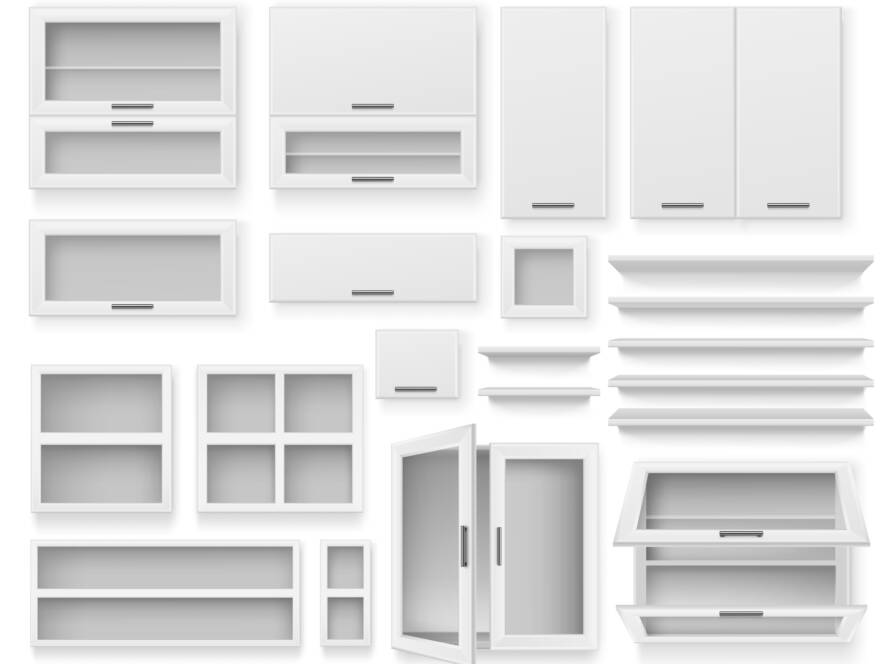
Design trends also influence the styling of built-in cabinets, evolving with lifestyle changes and homeowner preferences. Open shelving is a popular trend that promotes a sense of airiness and can visually expand a space, while incorporating glass-front doors adds a sophisticated touch to showcase curated items or a well-organized collection. Furthermore, integrating clever lighting solutions within built-in cabinets not only illuminates the contents but also adds a layer of warmth, making the area more inviting.
Ultimately, it is essential to ensure that your built-in cabinets serve their primary purpose of storage optimization while aligning with the overall design of your home. By thoughtfully considering color schemes, hardware styles, and current trends, homeowners can create space-saving cabinets that enhance their living environment and reflect personal style.
DIY Built-In Cabinet Projects
Embarking on a DIY project to create built-in cabinet designs can be a rewarding experience, allowing you to customize your storage solutions according to your specific needs. Built-in cabinets not only enhance the aesthetics of your space but also contribute significantly to storage optimization, especially in small apartments where space is at a premium.
Before starting your project, gather essential tools such as a tape measure, level, hammer, saw, drill, and screws. Having these tools on hand will facilitate the process and ensure that your cabinets are constructed properly. Additionally, consider using wood glue to strengthen joints, which will give your cabinets durability.
The first step to constructing space-saving cabinets is measuring your available area accurately. Take precise measurements of the wall space where you intend to install the cabinets, noting height, width, and depth. Once you have these dimensions, sketch a design that incorporates your requirements for storage and functionality. There are numerous resources available online where you can find plans or inspiration—websites like Pinterest or home improvement blogs often showcase innovative small apartment storage solutions.
Once your design is finalized, outline the building process. Typically, you will start by constructing a frame, attaching it securely to the wall for stability. Then, work on adding shelves and doors as per your design. Finishing touches can include painting or staining the wood to match your interior decor, further enhancing the elegance of your built-in cabinet design.
When done correctly, DIY built-in cabinets can significantly improve the utility of your living space, making them an excellent choice for anyone looking to maximize storage in compact environments. By following these steps and utilizing available resources, you can achieve beautiful and functional results that align perfectly with your home’s style.
Conclusion: Transforming Your Space with Built-Ins
In the quest to optimize storage while maintaining an aesthetically pleasing environment, built-in cabinet designs have emerged as a paramount solution for homeowners and renters alike. These fixtures are not only practical but are also tailored to enhance the visual appeal of any space. By seamlessly integrating with the architecture of a home, built-ins can function effectively as space-saving cabinets that maximize every inch of available area, making them ideal for small apartment storage solutions.
The versatility of built-in cabinets allows for a customized approach to interior design, catering to various styles and preferences. Whether it’s creating a cozy reading nook with integrated shelving or a modern kitchen with stylish cabinetry, built-ins offer endless possibilities to elevate the functionality of a room. Moreover, they play a significant role in storage optimization, providing smart solutions for decluttering while maintaining an organized living environment.
Furthermore, the installation of these cabinets can dramatically reshape the dynamics of a living space, proving particularly useful in residences where space is a premium. Every designed corner and every square foot can be utilized, significantly reducing the impact of clutter and improving the flow of movement within the room. Consequently, embracing built-in cabinet designs not only transforms spaces but also enhances the quality of life for their occupants.
Ultimately, for those looking to revamp their surroundings, incorporating built-in storage solutions is a powerful approach. By thoughtfully selecting designs that complement existing décor, individuals can achieve both functionality and style, resulting in a harmonious living space that meets daily needs while reflecting personal taste.