Closets play a crucial role in home organization, serving not only as storage spaces but also as a reflection of personal style and functionality. The efficiency and convenience of a well-organized closet can significantly impact daily life, making it essential to consider the type of closet that best fits your needs. In this discussion, we will explore two prevalent closet designs: walk-in closets and reach-in closets.
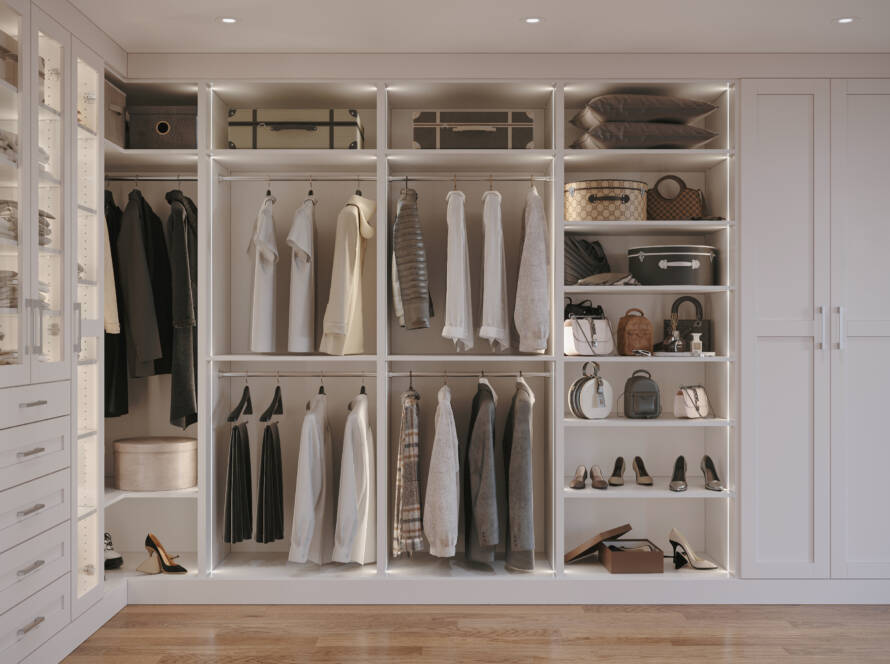
Walk-in closets are spacious, allowing for an open area where individuals can easily move around and access their belongings. Typically found in larger homes, these closets provide ample storage options and can accommodate extensive clothing collections, shoe racks, and additional accessories. The design often allows for customization, enabling homeowners to tailor the space with shelving, drawers, and lighting to enhance both functionality and aesthetics.
In contrast, reach-in closets are more compact, generally characterized by a small, enclosed area accessible through sliding or hinged doors. These closets are ideal for smaller spaces or homes, making them a popular choice in urban settings. Despite their size, reach-in closets can be designed efficiently to optimize storage, utilizing shelves, hangers, and organizers to maximize use. A well-planned reach-in closet can effectively house essentials and keep them neatly arranged.
As we delve deeper into this topic, we will compare the benefits of each closet type, helping homeowners make informed decisions based on their specific space constraints, storage needs, and organizational preferences. Whether you lean towards the expansive nature of a walk-in closet or the efficiency of a reach-in closet, understanding your options is the first step toward achieving an organized home.
Understanding Walk-In Closets
A walk-in closet is a spacious storage solution that allows individuals to enter and move freely within the area. Unlike traditional reach-in closets, a walk-in design provides a more expansive layout, often measuring at least 5 feet by 5 feet, though larger models can extend up to 10 feet by 20 feet or more. This additional space affords homeowners the opportunity to organize their belongings more efficiently and even incorporate custom designs tailored to their personal needs.
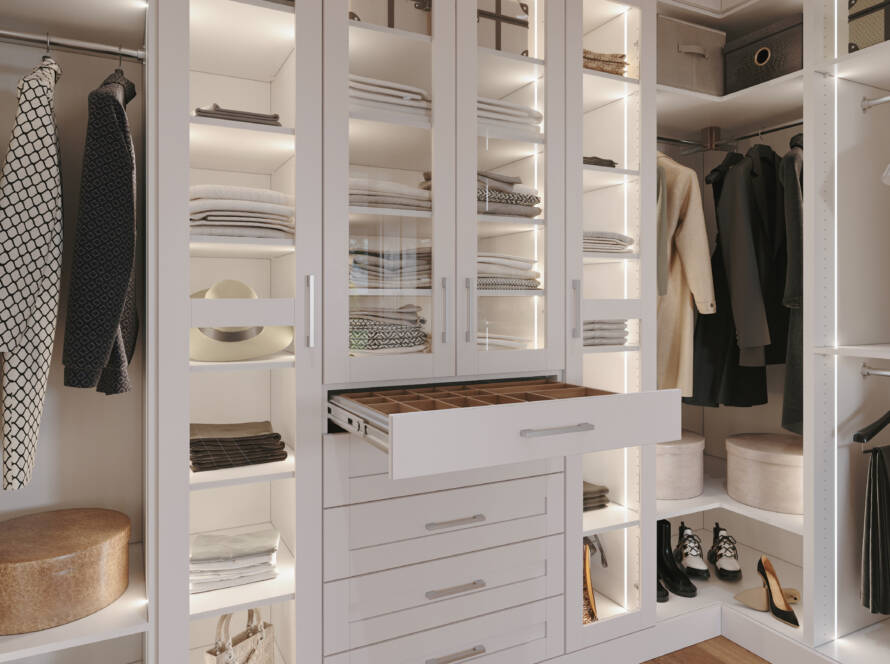
The layout of a walk-in closet can vary significantly based on its size and the homeowner’s preferences. Typically, they feature shelving units, hanging rods, and drawers that can be placed strategically to maximize storage capacity. An essential aspect of many walk-in closets is the potential for organization systems that allow for items to be categorized and easily accessible. This can include shoe racks, tie and belt hangers, and compartments for accessories such as jewelry and scarves.
One significant advantage of a walk-in closet is the sheer amount of storage space it offers. With the ability to store clothing, accessories, and shoes in an organized manner, homeowners can keep their living areas uncluttered. Furthermore, a walk-in closet provides the possibility of creating a dedicated personal dressing area. This space can be adorned with full-length mirrors, lighting, and even seating, fostering a comfortable and functional environment for selecting outfits.
Overall, walk-in closets provide not only practical benefits but also an opportunity to enhance the overall aesthetic of a home. By incorporating thoughtful design elements and effective organization methods, a walk-in closet can significantly elevate the way one manages their wardrobe and everyday essentials.
Exploring Reach-In Closets
A reach-in closet is a type of storage solution typically found in bedrooms, hallways, or smaller spaces. Unlike larger walk-in closets, reach-in closets are designed to maximize vertical space while minimizing the footprint, making them ideal for compact living areas. They usually feature sliding or hinged doors, which open to reveal shelving, rods for hanging clothes, and additional compartments for accessories. The standard depth of reach-in closets usually ranges from 24 to 30 inches, providing enough room for a functional organizational system yet remaining unobtrusive within the home.
One of the primary advantages of a reach-in closet is its efficient use of space, particularly in smaller rooms where every square foot counts. Because they do not require a significant amount of floor space, homeowners can utilize the remaining area for other furniture or decorative items. This aspect can be especially advantageous in urban settings where living spaces are often limited.
Accessibility is another key benefit of reach-in closets. The layout allows for easy access to clothing and accessories, making it simpler for occupants to quickly locate their belongings. Users can swiftly grab items from the hanging rods or shelves without having to step into the closet, which is a common requirement in walk-in closets. This aspect fosters an organized environment, as items are less likely to be misplaced.
Cost-effectiveness is yet another appealing feature of reach-in closets. Generally, they require less material and labor to install compared to walk-in options, resulting in a more budget-friendly solution. Homeowners seeking to enhance their storage capabilities without a significant financial investment often find reach-in closets to be a prudent choice. Overall, reach-in closets provide practical solutions for individuals looking to optimize their space efficiently and economically.
Space Considerations
When deciding on the type of closet to incorporate into a home, the space available plays a crucial role. Both walk-in and reach-in closets cater to different spatial configurations and sizes, and understanding one’s available square footage can ultimately determine the best choice for functionality and design.
A walk-in closet typically requires more room than a reach-in closet. Generally, a walk-in closet necessitates a space that measures at least 5 feet by 6 feet, allowing for additional space for shelving, hanging rods, and possibly even accessories like benches or islands. This type of closet is best suited for master bedrooms or spacious guest suites where there is ample square footage to accommodate this luxurious design.
Conversely, reach-in closets are designed to function within tighter spaces. They usually span one wall, measuring anywhere from 2 to 3 feet in depth, which makes them ideal for smaller bedrooms, hallways, or even home offices. They efficiently utilize shorter lengths while providing adequate organizational options through shelving or hanging rods. Reach-in closets can fit seamlessly in spaces where a walk-in option may overwhelm the room’s proportions.
The overall layout of a home also influences these decisions. An open floor plan may benefit from the structured presence of a walk-in closet, which can be a focal point in the bedroom. On the other hand, in compact layouts where every square foot counts, a reach-in closet can offer a practical and space-savvy solution without compromising the room’s aesthetic appeal.
Ultimately, assessing the dimensions and design of a space will provide a clearer picture of whether a walk-in or reach-in closet better suits the home. Each option serves unique needs, and understanding the spatial context is essential for achieving an optimal storage solution.
Budget Analysis
When considering the installation or renovation of a closet in your home, understanding the budget implications of a walk-in closet versus a reach-in closet is critical. Installation costs can widely vary based on several factors, including the space available, the materials chosen, and whether you opt for a DIY solution or hire professionals to do the work.
A reach-in closet generally involves lower costs compared to a walk-in closet. The more compact design of a reach-in closet means less material is required for construction, which can significantly reduce the overall expense. Typically, straightforward shelving systems or built-in cabinets function well in these spaces, keeping costs manageable. Installation often requires less labor, contributing to further savings.
On the other hand, walk-in closets tend to come with a higher price tag. The custom features that many homeowners envision for a walk-in closet—such as larger shelving units, specialized lighting, and upgraded flooring—can add to the budget significantly. Professional installation is typically recommended for walk-in closets, due to the complexity of the layout and the variety of elements that need to be considered. However, if you are skilled in home improvement, a DIY approach can offset these costs, although it may require a considerable investment of time and effort.
In terms of long-term investment value, a well-designed walk-in closet may yield a higher return on investment (ROI) when it comes time to sell your home. Buyers often perceive walk-in closets as a desirable luxury feature, potentially making your home more attractive in the competitive real estate market. Conversely, reach-in closets offer efficient storage solutions that appeal to many buyers while keeping renovation costs lower, which provides its own value.
Overall, budget considerations should include installation costs, custom features, and the potential future ROI from any closet renovations. Careful planning will help you choose the closet type that best fits your needs and budget.
Lifestyle and Usage
The choice between a walk-in closet and a reach-in closet often hinges on individual lifestyle preferences and usage patterns. For those who indulge in fashion, a walk-in closet provides ample space for an extensive selection of garments, shoes, and accessories. Fashion enthusiasts commonly require room to display their collections, and the organizational potential of a walk-in closet allows for the arrangement of clothing by season, style, or occasion. This type of closet not only enhances accessibility but also serves as a personalized space for dressing and preparation.
Conversely, for individuals who embrace a minimalistic lifestyle, a reach-in closet may be more suited to their needs. This type of closet encourages a streamlined approach to clothing choices, as it promotes thoughtful selections of essential pieces rather than an overwhelming variety of options. Minimalists typically favor efficiency, so having a compact space forces them to curate their wardrobe to the pieces they truly value.
Family size and profession further influence closet preferences. Larger families may benefit from reach-in closets, which can be allocated to each member, ensuring that clothing storage remains practical and organized. In contrast, professionals who may require tailored attire and multiple outfit changes throughout the week often lean towards walk-in closets, which grant them the flexibility to store a diverse wardrobe conveniently. Additionally, the frequency of closet usage plays a role; if individuals find themselves accessing their clothing daily, a walk-in closet enhances the ease of selection compared to a more confined reach-in.
Ultimately, understanding the balance between personal habits, space requirements, and lifestyle preferences aids in determining which closet style aligns best with one’s life. By considering the nuances of family dynamics, professional needs, and personal style, homeowners can make informed decisions regarding their closet options.
Design and Customization Options
When considering the design and customization options for closets, both walk-in and reach-in styles offer distinctive advantages that cater to varying preferences and needs. The walk-in closet, known for its spaciousness, provides ample opportunities for elaborate design. Homeowners can opt for extensive shelving systems, utilizing the walls efficiently to display and organize clothing, accessories, and shoes. Custom-built cabinetry is a popular choice, allowing for specific adjustments to suit individual requirements, while also adding an element of elegance.
In addition to shelving, lighting plays a crucial role in the walk-in closet’s overall ambiance and functionality. LED strip lights, pendant fixtures, or recessed downlights can be strategically placed to enhance visibility, creating a bright and inviting atmosphere. Decorative elements such as mirrors can not only add stylistic flair but also create an illusion of additional space and light.
On the other hand, reach-in closets, which often have limited space compared to walk-ins, necessitate a more efficient design approach. These closets can be customized with specialized organization systems, such as adjustable shelving, hanging rods, and built-in drawers. Using vertical space effectively is key; therefore, adding higher shelves allows homeowners to maximize storage capacity without overcrowding the lower levels. Through clever design choices, a reach-in closet can still provide exceptional utility and aesthetic appeal.
Controllers such as drawer dividers and shoe racks can be integrated into these spaces, further enhancing organization. Lighting options, though limited, can still include energy-efficient solutions like battery-operated motion sensor lights or elegant wall sconces, which can create a cozy surround without the complications of extensive electrical work.
Ultimately, the design and customization of a closet—whether walk-in or reach-in—should reflect personal style as well as functional needs, making the most of the available space for an organized, pleasant experience.
Making the Right Choice
In evaluating the differences between walk-in closets and reach-in closets, it is essential to weigh the advantages and disadvantages of each option. Walk-in closets typically offer a larger area for organization and can accommodate more extensive wardrobe collections, providing a luxurious experience with ample room for storage solutions, such as shelving, shoe racks, and jewelry displays. However, they often require more square footage, which may not be practical for smaller homes or apartments.
On the other hand, reach-in closets are more space-efficient and can fit seamlessly into various room layouts. They are generally more budget-friendly and can still provide sufficient storage when optimized with appropriate shelving and organizational tools. Nevertheless, the limited space can restrict accessibility, making it crucial to maximize every inch effectively. Reach-in closets may not suit those with large clothing collections or specific storage needs.
When deciding between a walk-in and a reach-in closet, consider your available space, budget, lifestyle, and personal preferences. Assess how each type aligns with your daily routine, ensuring comfort and convenience when accessing your belongings. Additionally, think about your home’s functionality and how the chosen closet will impact your day-to-day activities.
Ultimately, the right closet choice should enhance your living space and contribute to an organized, clutter-free environment. Investing the time to evaluate your needs will lead to a more satisfying outcome, turning your closet into a functional asset that simplifies your lifestyle.
Call to Action
As you contemplate the storage solutions in your home, evaluating your current closet options is the first step toward creating a space that truly meets your needs. The distinction between a walk-in closet and a reach-in closet is significant; each offers unique advantages and could greatly enhance the functionality of your living area. Walk-in closets typically permit greater storage capacity and organization throughout, while reach-in closets present a more compact and efficient design for smaller spaces.
When envisioning your ideal closet, consider what you have currently and identify improvements that can be made. Picture a space that not only accommodates your wardrobe but also showcases your personal style. Enumerate the items that require storage and the accessibility needed to maintain your lifestyle. This process of visualization is crucial for achieving a well-curated closet setup.
Professional designers can provide invaluable expertise, helping you optimize your closet arrangements tailored to your preferences. A consultation allows for personalized advice and practical solutions that may not be immediately obvious. Alternatively, embarking on a DIY search can yield significant insights. Numerous online resources and community forums are dedicated to closet design strategies. By researching available options, you can gather ideas pertaining to storage systems and innovative organizational techniques relevant to both walk-in and reach-in closets.
Ultimately, whether you lean towards a walk-in closet or prefer the functionality of a reach-in closet, assessing your current storage situation is essential. Take the initiative today: draft your wishlist for the ideal closet, explore potential designs, and consider the benefits of professional guidance versus self-implemented strategies. Your dream closet awaits, ready to transform your home.