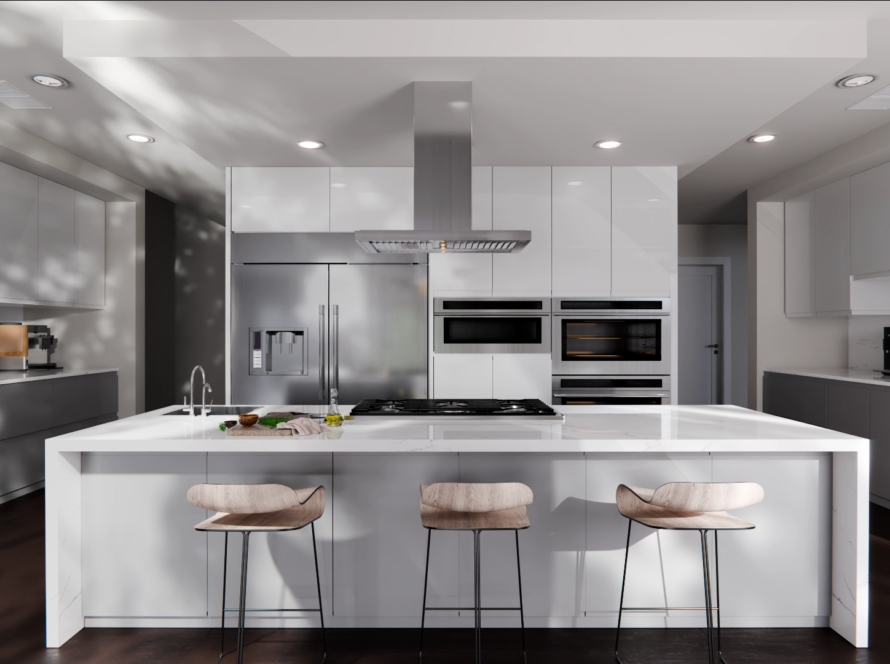
Introduction to Mudroom Cabinets
Mudroom cabinets are specialized storage solutions designed to manage the clutter associated with entryways in family homes. Typically located in mudrooms or near main entrances, these cabinets play a crucial role in organizing items that families frequently rely on, such as coats, shoes, backpacks, and other essential gear. The functionality and design of mudroom cabinets help streamline the process of entering and exiting the home, effectively addressing the chaos that often accompanies family life.
The importance of mudroom cabinets can be observed in their ability to provide designated spaces for different family members’ belongings. This organization not only reduces the visual clutter that can accumulate at an entrance but also cultivates an environment of orderliness. When each family member knows where their items belong, it results in improved efficiency during busy mornings or when preparing for outings.
Moreover, mudroom cabinets contribute to maintaining hygiene within the home by containing dirt and mud brought in from outdoors, especially during wet or snowy seasons. By offering compartments for shoes and storage for wet or muddy items, these cabinets help protect the rest of the home from potential messes.
In addition to their practical benefits, mudroom cabinets can also enhance the aesthetic appeal of the entryway. With a variety of styles, colors, and finishes available, homeowners have the opportunity to select cabinets that complement their interior decor while also providing the necessary functionality. Thus, the integration of mudroom cabinets represents a seamless blend of practicality and design, making them an essential feature in modern family homes.
Assessing Your Mudroom Space
Before selecting mudroom cabinets, it is essential to thoroughly assess your mudroom space. The first step in this process involves taking precise measurements. Begin by determining the available square footage. Measure the length, width, and height of the room to create a clear visual representation of your mudroom’s dimensions. Additionally, account for any architectural features such as windows, doorways, and built-in elements that may affect the layout of your cabinets.
Next, consider the layout of your mudroom. Open concept spaces may offer more flexibility in design, while narrower or enclosed areas may require tailored solutions. Analyzing the flow of traffic is crucial since a well-organized mudroom should facilitate ease of movement. Identify high-traffic areas and plan for optimal cabinet placement to minimize disruptions.
Factor in the needs of your family members when designing the space. A family with young children may require lower cabinets and hooks for easy access to items like shoes, coats, and backpacks. Conversely, households with teenagers might benefit from taller cabinets with designated compartments for sports equipment, shoes, and school supplies. Understanding who will be using the mudroom and their respective habits can provide insight into customizing the storage solutions effectively.
In addition to family needs, consider seasonal variations in usage. If your area experiences extreme weather conditions, plan for appropriate storage of seasonal items like snow gear or umbrellas. This foresight will help create a mudroom that remains functional and organized year-round. By evaluating these factors—measuring the space accurately, understanding the layout, and assessing family requirements—you can make informed decisions about the best mudroom cabinets to enhance your home’s functionality.
Choosing the Right Style of Mudroom Cabinets
When it comes to selecting mudroom cabinets, various styles are available to accommodate different tastes and home decor. Understanding these styles and their functionalities is key to ensuring that the cabinets not only work efficiently but also enhance the overall aesthetic of your space.
Traditional mudroom cabinets often feature classic design elements, such as raised panels and ornate hardware. These cabinets can evoke warmth and familiarity, making them suitable for homes with a more timeless or rustic decor. Often available in rich woods or painted finishes, traditional cabinets provide a cozy feel and can integrate seamlessly with vintage or craftsman-style homes.
On the other hand, modern mudroom cabinets offer sleek lines and minimalistic designs, making them ideal for contemporary homes. They typically utilize materials like metal and glass, which add a touch of sophistication and can help maintain a clean aesthetic. Look for features such as modular designs and an array of finishes that can be customized to fit specific color palettes and trends, ensuring these cabinets contribute to an organized and stylish entryway.
For those seeking a truly unique solution, custom mudroom cabinets can be tailored to precise specifications, combining functional needs with personal style. These options allow homeowners to incorporate specialized features such as built-in benches, hidden compartments, and specific shelving configurations that align with their lifestyle. By collaborating with a designer, one can craft a mudroom that not only complements their home’s decor but also maximizes space efficiency.
Ultimately, the right style of mudroom cabinets should reflect both personal preferences and the overall design of the home. Whether opting for traditional, modern, or custom solutions, careful consideration will ensure that a functional and attractive mudroom is achieved.
Functional Features to Consider
When designing or choosing mudroom cabinets for a busy family home, it is essential to integrate features that maximize both functionality and organization. Thoughtfully considering these elements can significantly enhance the overall experience of using the space.
One of the pivotal features is a set of hooks for coats and bags. This addition allows family members to hang their outerwear immediately upon entering the home, preventing clutter from accumulating on nearby furniture or floors. Sufficiently spaced hooks can accommodate various coat sizes and styles, providing easy access to these items when needed.
Next, consider incorporating shelves specifically designed for shoes. These shelves can vary from cubby-style compartments to adjustable shelving, catering to different family members’ needs. By offering designated spots for footwear, these shelves keep the area tidy while also protecting the floor from dirt and wear, all of which can often accumulate in high-traffic areas such as mudrooms.
Another vital component is storage compartments, which can include bins, drawers, or cabinets for additional organization. These compartments are perfect for storing hats, gloves, and other seasonal items, ensuring that everything has its place. This feature can be further enhanced by using labels or clear containers, which help family members quickly identify where specific items are stored, streamlining the process of getting ready.
Finally, considering the height and accessibility of all these features is crucial. Low shelves or drawers accessible to children can encourage them to participate in the organization, teaching them responsibility while also keeping the space functional. By integrating these features, mudroom cabinets can truly become a cornerstone of efficient organization in busy family homes, helping to maintain order in daily routines.
Materials and Durability
When it comes to choosing mudroom cabinets, the selection of materials is critical to ensuring long-lasting functionality and appeal in busy family homes. Mudrooms often handle high traffic and varied weather conditions, necessitating robust materials that can endure daily use. The most common materials used for mudroom cabinetry include wood, metal, and laminate.
Wood is a classic choice for mudroom cabinets, providing both aesthetic warmth and structural stability. Solid hardwood options, such as oak, maple, or cherry, offer unparalleled durability and can withstand the rigors of active households. However, it is worth noting that hardwoods may require more upkeep, including periodic refinishing to maintain their appearance. For a more budget-friendly yet durable option, engineered wood products, such as plywood or MDF (medium-density fiberboard), are also viable choices as they typically resist warping and are less susceptible to moisture damage than solid wood.
Metal mudroom cabinets, often made from steel or aluminum, deliver exceptional strength and a modern look. They are impervious to moisture and can easily be wiped clean, making them an excellent option for families with children or dogs. Metal cabinets are also resistant to dents and scratches, ensuring they maintain their aesthetic even with heavy use. However, it’s essential to choose powder-coated finishes to prevent rusting and corrosion over time.
Laminate cabinets present another robust solution, comprised of a composite core wrapped in a thin layer of laminate. This material is often chosen for its convenience and varied design options, ranging from colors to textures mimicking natural wood or stone. Laminate is highly resistant to stains and scratches, making it particularly suited for busy mudroom environments. Ultimately, the right choice will depend on individual needs, budget, and the desired aesthetic, but prioritizing durability is key to ensuring the longevity of your mudroom cabinetry.
Incorporating Personalization and Decor
When it comes to designing mudroom cabinets, personalization and decor play crucial roles in transforming a functional space into a welcoming one. Selecting the right colors and finishes is essential for creating a cohesive look with the overall aesthetic of the home. For instance, if the rest of the house features a modern farmhouse style, opting for natural finishes like reclaimed wood or bright white cabinetry can enhance the rustic charm while maintaining a clean modern look.
Moreover, incorporating color into your mudroom cabinets can express family identity and set the mood for this transition space. Soft pastels can offer a calming environment, whereas bold hues can create an energetic and lively feel. It is beneficial to consider the adjacent areas when deciding on color schemes; ensuring that the colors complement the adjoining rooms can facilitate harmonious transitions between spaces.
Additionally, choosing decorative hardware can significantly elevate the visual appeal of mudroom cabinets. Selecting knobs and handles that reflect personal style can make these functional pieces more inviting. For example, antique brass fixtures may evoke a vintage charm, whereas sleek stainless steel can enhance a contemporary theme. Strategic placement and selection of these accents provide opportunities for showcasing individuality while still maintaining function.
Furthermore, implementing smart storage solutions within the cabinets can be visually pleasing. Utilizing decorative baskets or labeled bins not only organizes items efficiently but adds a layered design element. Remember, the goal is to create a balance between aesthetics and practicality, ensuring that the mudroom is not only artistic but also ready to handle the daily challenges that family life presents.
Maximizing Storage Solutions
In busy family homes, maximizing the available storage in mudroom cabinets is essential for maintaining organization and efficiency. One of the most effective strategies involves using a variety of storage containers, such as baskets and bins, which not only aid in decluttering but also enhance the visual appeal of the space. Baskets are particularly useful due to their versatility and ease of access; they can be utilized to store items such as shoes, hats, and sports equipment while keeping them out of sight.
Moreover, incorporating bins can help further categorize items by family member or activity, making it simpler to locate necessary items quickly. This classification system is especially valuable during peak times, such as school mornings or when heading out for weekend activities. Utilizing labeled bins allows family members to quickly learn where items belong, promoting accountability for keeping the space organized.
Another effective solution is the introduction of drawer dividers within cabinets, particularly for smaller items. By sectioning off drawers, you can create designated spaces for everyday essentials like keys, dog leashes, or smaller tech gadgets. This method not only maximizes drawer space but also ensures that each item has an allocated spot, facilitating a streamlined process of finding what is needed without unnecessary searching.
Furthermore, positioning the most frequently used items at eye level or in easily reachable bins can significantly improve the ease of access for family members. Seasonal items can be stored higher or in less accessible areas to further optimize storage and keep the mudroom functional throughout the year. Implementing these creative storage solutions can transform mudroom cabinets into an organized and efficient area in family homes.
DIY vs. Professional Installation
When it comes to installing mudroom cabinets, homeowners face a crucial decision: whether to undertake a DIY project or hire professionals. Each option presents its distinct benefits and challenges, which must be carefully weighed against individual circumstances and needs.
Choosing the DIY route can be appealing for those looking to save money, as professional installation often incurs additional costs that could easily inflate the overall budget. The cost of materials may be lower when sourced independently, allowing the homeowner to select quality components while keeping expenses in check. However, one must consider the time investment required for a DIY project. Aside from the physical installation, the homeowner must also allocate time for planning, measuring, and potentially troubleshooting during the installation process. For busy families managing multiple responsibilities, this can be a significant commitment.
On the other hand, hiring professionals comes with the assurance of expertise and efficiency. Experienced installers are familiar with the intricacies of cabinet installation, ensuring that the job is completed correctly and swiftly. This can be particularly beneficial when working with complex designs or limited spaces, where precise measurements and techniques are paramount. However, this option can be costly, sometimes deterring many budgets. It is also essential to factor in the potential warranty or ongoing support provided by professionals, which might add long-term value to the investment.
Ultimately, the decision between DIY installation and professional assistance will depend on factors such as budgetary constraints, time availability, and individual skill level. Careful assessment of these elements will guide homeowners in choosing the most suitable approach for their mudroom cabinet installation.
Maintenance and Care for Mudroom Cabinets
Proper maintenance and care of mudroom cabinets play a vital role in ensuring their longevity and functionality. Given the high traffic that mudrooms typically experience, regular upkeep is essential to maintain both aesthetics and practicality. One of the simplest tasks is to establish a routine cleaning schedule, ideally conducted weekly. Using a soft cloth or a microfiber towel, dust surfaces to remove debris and dirt that may accumulate over time.
For cabinets made from wood, it is important to use cleaning products that are safe for wood finishes. A mild mixture of warm water and a few drops of dish soap can effectively clean most wooden surfaces without causing damage. Avoid using abrasive cleaners or sponges that can scratch the finish. Periodically, consider applying a wood conditioner or polish to nourish the wood and enhance its natural appearance.
In contrast, mudroom cabinets constructed from laminate or engineered materials require a different approach. For these surfaces, a damp cloth accompanied by a gentle cleaner can be used to remedy any stubborn places. Avoid excessive moisture as it can cause damage to the structure over time. Ensure to dry the surfaces completely to prevent any water stains or mold growth.
Another essential aspect of mudroom cabinet maintenance is checking hardware such as hinges and handles. Inspect these components regularly for any signs of wear or damage, and tighten screws as necessary. This simple task can prevent further issues and prolong the life of your cabinets. Additionally, if your mudroom experiences extreme humidity, consider installing a dehumidifier to help protect the material from warping.
In conclusion, regular maintenance and appropriate cleaning practices tailored to the cabinet materials will significantly enhance the durability and efficiency of your mudroom cabinets. Keeping these storage solutions in excellent condition ensures they continue to serve your busy family efficiently.