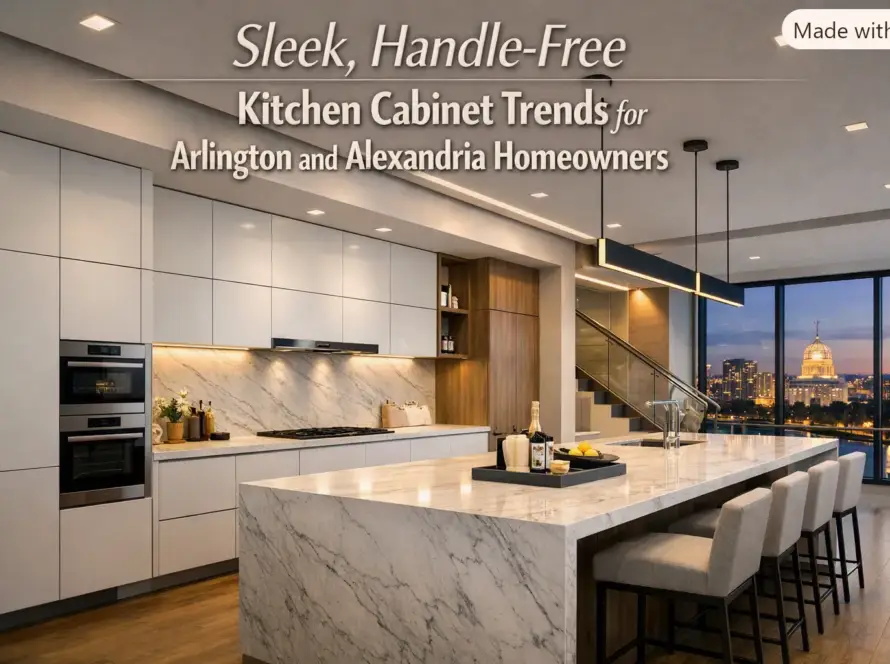
What Are Handleless Kitchen Cabinets?
Handleless kitchen cabinets represent a contemporary approach to kitchen design, prioritizing minimalism and functionality. Unlike traditional cabinets that often feature prominent handles or knobs, handleless cabinets utilize a sleek and seamless design. This innovation not only enhances the aesthetic appeal of the kitchen but also improves usability, making it a growing trend in home renovations and new constructions.
One of the defining characteristics of handleless cabinets is their mechanism for opening doors. Many handleless designs incorporate push-to-open technology, which allows users to simply push on the cabinet door to access the contents inside. This feature eliminates the need for handles, creating an unbroken surface that can visually expand the space, making it feel more open and airy. In contrast, traditional cabinets may create visual clutter with protruding handles, detracting from a cohesive aesthetic.
Another important aspect of handleless kitchen cabinets is the use of integrated grips or finger pulls. These are designed into the cabinetry itself, allowing for easy access without the need for external hardware. The grip can be subtle, allowing the wood or material of the cabinet to take center stage, and can come in various formats, such as a recessed groove along the edge of the cabinet door. This approach further enhances the streamlined appearance that is highly sought after in modern design.
In summary, handleless kitchen cabinets offer a sophisticated, sleek solution for those looking to modernize their kitchens. With their innovative design principles and emphasis on simplicity, they stand as a testament to the evolving trends in interior design.
Benefits of Handleless Kitchen Cabinets
Handleless kitchen cabinets have gained significant popularity in modern interior design, particularly in Northern Virginia, making them a preferred choice for numerous homeowners. One of the primary advantages of these cabinets is their ability to offer cleaner lines. Without protruding handles, the cabinetry presents a seamless and sleek appearance, contributing to a streamlined kitchen aesthetic. This design feature not only enhances the visual appeal of the space but also aligns with the minimalist trend that many contemporary kitchens strive for.
Another key benefit of handleless cabinets is improved functionality. With a simple push-to-open mechanism or integrated grooves, these cabinets allow for easy access to contents without the need for traditional handles. This feature facilitates a more efficient workflow, especially in busy kitchens where speed and accessibility are pivotal. Furthermore, the absence of handles can prevent snagging on clothing, which is particularly advantageous in compact spaces where movement is restricted.
From a cleaning perspective, handleless kitchen cabinets are incredibly practical. The smooth surface devoid of handles reduces the accumulation of dust, grime, and grease, which are common concerns in kitchen environments. Cleaning becomes a more straightforward task, as surfaces are easier to wipe down and maintain. This quality makes handleless designs an excellent option for those who prioritize hygiene and efficiency in their home.
In addition, handleless cabinets can adapt to various design styles, from ultra-modern to rustic, thereby appealing to a wide array of personal tastes. They can be customized in different materials and finishes, allowing homeowners to create a unique look that fits their decor. Overall, handleless kitchen cabinets embody a thoughtful approach to functionality and design, making them an ideal choice for modern living.
Current Trends in Kitchen Design for 2026
As we progress into 2026, kitchen design is undergoing a significant transformation, particularly in regions like Northern Virginia. One of the most prominent trends is the preference for handleless kitchen cabinets, which emphasize a minimalist and sleek aesthetic. These cabinets perfectly align with the broader design trends that are currently captivating homeowners and designers alike.
Color palettes are evolving, with softer, muted tones becoming increasingly popular. Shades such as sage green, soft taupe, and muted blues are dominating the color schemes. These hues create a serene and inviting atmosphere, contributing to a more cohesive and harmonious kitchen space. The use of monochromatic schemes is also on the rise, with homeowners opting for a single color palette that unifies cabinetry, countertops, and wall finishes. This trend helps to enhance the streamlined look that handleless cabinets offer.
In terms of materials, natural elements are taking center stage. Homeowners are drawn to textures such as wood and stone that introduce warmth into modern spaces. Engineered stone countertops, for instance, are not only practical but also complement the sleek lines of handleless cabinetry. Additionally, the incorporation of sustainable materials reflects an increasing awareness of environmental impact in design choices.
Layouts are also shifting to prioritize functionality and flow. Open kitchen designs are particularly favored, as they promote an airy and spacious feel. Integrated appliances are common in these layouts, helping to maintain the clean lines associated with handleless cabinets. Furthermore, smart home technology is being seamlessly integrated into kitchen designs, enhancing both usability and aesthetic appeal.
Overall, the trends in kitchen design for 2026 highlight a movement towards simplicity and sophistication. The embrace of handleless cabinets is a key aspect of this trend, reflecting a desire for environments that are both functional and pleasing to the eye.
Incorporating Handleless Cabinets into Your Kitchen
Handleless kitchen cabinets have gained significant popularity in modern interior design, particularly for their ability to create a seamless and minimalistic appearance. When considering the integration of these cabinets into your kitchen layout, a few practical tips can help you achieve a cohesive and aesthetically pleasing environment.
First, it is essential to coordinate handleless cabinets with your countertops. Materials like quartz, granite, or marble create a striking surface that complements the sleekness of handleless cabinets. Opt for clean lines and solid colors that enhance the modern look. If you choose patterned countertops, ensure that the patterns are subtle to maintain focus on the cabinets’ design.
Next, consider your backsplash choice, as it plays a crucial role in tying the entire design together. Glass tiles, large-format ceramic tiles, or even a continuation of your countertop material can create a harmonious effect. Remember, the key is to keep the backsplash simple; intricate designs may detract from the minimalist aesthetic that handleless cabinets provide.
Another aspect to consider is the selection of appliances. Choose built-in appliances that align with the cabinetry style for a unified look. Stainless steel finishes tend to work well with modern cabinets, while a matte black appliance finish can enhance the sophisticated feel of the space. Ensure that the appliances are strategically placed to maintain a smooth flow within the kitchen.
Lastly, lighting plays an important role in highlighting handleless cabinets. Under-cabinet lighting can emphasize the cabinetry’s sleek design while providing functional illumination for cooking and preparation areas. Wall-mounted fixtures can also enhance the contemporary feel when chosen wisely.
By following these practical tips, you can seamlessly incorporate handleless cabinets into your kitchen design, creating a sophisticated and inviting space that embraces modernity while maintaining functionality.
How Handleless Cabinets Enhance Space Perception
In contemporary kitchen design, handleless cabinets have garnered significant attention, particularly due to their ability to create an illusion of space. These cabinets promote a clean, sleek aesthetic that not only modernizes the kitchen but also enhances the perception of openness, especially in smaller areas.
The absence of traditional handles enables seamless surfaces, leading the eye to flow uninterrupted across the cabinetry. This uninterrupted visual line contributes to a more expansive feeling, making kitchens appear larger than they are. In contrast to standard cabinets, which often create visual clutter, handleless options help to maintain a minimalist look, fostering an airy atmosphere.
Psychologically, spaciousness can evoke feelings of comfort and tranquility. A clutter-free environment, facilitated by these streamlined designs, can reduce stress and promote a more enjoyable cooking experience. When individuals transition to handleless cabinets, they often report a heightened sense of organization and clarity in their kitchen space. Furthermore, enhanced aesthetics achieved through sleek designs can transform outdated areas into stylish epicenters of the home.
In addition to their visual benefits, handleless cabinets can also be functional. They often incorporate push-to-open mechanisms, simplifying access while maintaining the sleek appeal. This functionality complements the design elements, emphasizing the importance of both form and utility in modern kitchen arrangements.
Overall, the design choices available within handleless cabinetry significantly influence not only the physical layout of kitchens but also the mental associations individuals have with such spaces. The effective use of these cabinets contributes to a sense of increased openness, making them an appealing option for homeowners seeking to maximize the feeling of space in Northern Virginia’s compact environments.
Materials and Finishes for Handleless Cabinets
Handleless kitchen cabinets have gained substantial popularity in recent years, especially in 2026, thanks to their modern aesthetics and streamlined design. When selecting handleless cabinets, one crucial aspect to consider is the variety of materials and finishes available. This diversity not only impacts durability but also plays a significant role in the overall ambiance of the kitchen.
Wood, a timeless choice, offers a warm, natural look that enhances the inviting atmosphere of any kitchen. It can be finished in a variety of ways, including staining to highlight the wood grain or painting for a more contemporary feel. However, wood cabinets can be susceptible to moisture and warping if not carefully maintained, making them less desirable in high-humidity spaces.
Laminate is another popular option for handleless cabinets, known for its versatility and affordability. This material comes in various colors and patterns, allowing homeowners to achieve the desired aesthetic without breaking the bank. Additionally, laminate surfaces are relatively easy to clean and resistant to scratching, making them a practical choice for busy kitchens. On the downside, laminate can sometimes lack the depth and texture provided by more natural materials.
Acrylic finishes represent a more modern alternative, offering a high-gloss look that reflects light and creates an illusion of space in smaller kitchens. The sleek appearance of acrylic is appealing to many homeowners seeking a minimalistic design. However, it is worth noting that acrylic may be more prone to scratches than laminate or wood, necessitating mindful usage to preserve its pristine look.
In summary, the materials and finishes chosen for handleless kitchen cabinets significantly influence their functionality and aesthetic appeal. Wood provides warmth and character, laminate presents affordability and variety, while acrylic offers a contemporary flair. By carefully weighing the pros and cons of each material, homeowners can select the perfect combination to enhance their kitchen’s design.
Considerations When Choosing Handleless Cabinets
As homeowners in Northern Virginia increasingly adopt handleless kitchen cabinets, it is essential to carefully assess several factors before making a decision. One of the primary considerations is the budget. Handleless cabinets can vary in price, depending on the materials used, the brand, and the customization options available. It is advisable to set a realistic budget while also considering the long-term investment, as quality cabinets can enhance both the aesthetics and functionality of your kitchen.
Maintenance is another important aspect to keep in mind. While handleless cabinets can provide a sleek and modern appearance, they may require specific cleaning methods to maintain their look. For example, it is crucial to ensure that surfaces are not only visually appealing but also easy to clean. This entails selecting finishes that resist fingerprints, stains, and other everyday wear and tear.
Durability is a key factor when investing in handleless kitchen cabinets. The materials selected should be robust enough to withstand daily use and the strains of a busy kitchen. Options such as solid wood, engineered wood, or high-quality laminates are popular choices that offer durability alongside design appeal. Researching the material’s longevity and warranty options can help to make an informed decision.
The installation of handleless cabinets also warrants careful consideration, as it can significantly affect the overall outcome. While some cabinets might be designed for easy installation, others may require professional assistance. It is essential to evaluate whether you possess the necessary skills for a DIY approach or if hiring a qualified installer would ensure that the cabinets are fitted correctly. Dedicated attention to this step will ultimately contribute to the functional success and visual integrity of the kitchen space.
Real-Life Examples of Handleless Kitchen Designs in Northern Virginia
In Northern Virginia, a shift towards modern aesthetics has led many homeowners to adopt handleless kitchen cabinets, showcasing a blend of functionality and elegance. These sleek designs not only enhance the visual appeal of kitchens but also create a sense of openness and space, aligning with contemporary trends.
One stunning example can be seen in a renovated home in Arlington, where a complete kitchen overhaul embraced the handleless concept. The homeowner opted for high-gloss white cabinets, complemented by a matching quartz countertop. The absence of traditional handles resulted in a streamlined appearance, while push-to-open mechanisms ensured ease of access. This design approach effectively utilized natural light, making the kitchen appear larger and more inviting.
Another remarkable instance is found in a modern townhouse located in Tysons Corner. Here, the interior designer incorporated handleless cabinetry in dark wood finishes, juxtaposed with stainless steel appliances. This combination not only provided a warm ambiance but also maintained the contemporary feel that many homeowners desire. This choice of materials emphasized the kitchen’s cleanliness and order, elevating it from a functional space to a central hub for family gatherings.
In a more minimalist approach, a home in Reston features pale blue handleless cabinets that seamlessly blend with the designed open floor plan. The integration of subtle lighting beneath the cabinets highlights their sleek design and adds a touch of sophistication, further exemplifying how handleless options can foster an airy, spacious feel.
These real-life examples illustrate how adopting handleless kitchen cabinets in Northern Virginia can contribute to achieving a modern design aesthetic. By thoughtfully considering color palettes, materials, and layouts, homeowners have successfully transformed their kitchens into stylish and functional spaces that reflect the latest trends in interior design.
Future of Kitchen Design Beyond 2026
As we look towards the future of kitchen design beyond 2026, it is evident that the trends currently guiding the industry will continue to evolve. Among these trends, handleless kitchen cabinets are expected to gain further momentum due to their sleek and minimalist aesthetic. The integration of technology into home design will play a significant role in this evolution, facilitating innovations that enhance functionality and improve user experience.
One anticipated innovation is the development of advanced materials that not only offer durability but can also mimic natural textures. As homeowners seek unique appearances in their kitchens, handleless cabinets made from these materials could offer distinct visual appeal while maintaining practicality. In the coming years, we might witness an increase in customizable options, enabling homeowners to select finishes, colors, and textures that align with their personal style and preferences.
Additionally, advancements in smart technology are likely to reshape how kitchens operate. Features such as automated cabinet doors that open with a simple wave of the hand may find their way into more households. This could further popularize handleless designs, as the practicality of such features aligns perfectly with the sleek, contemporary aesthetic that these cabinets offer. As homeowners become more environmentally conscious, energy-efficient appliances seamlessly integrated into handleless cabinetry might also be prioritized, complementing modern and eco-friendly kitchen designs.
The future will likely also see a shift towards multifunctionality in kitchen spaces. With the ascent of urban living, kitchens will evolve into multifunctional areas that serve as cooking, dining, and socializing spaces. Handleless cabinets can facilitate this trend by providing a clean, uncluttered look that enhances the overall visual flow of the space, making it easier to transition between various activities without disruption.
In summary, the future of kitchen design holds exciting possibilities, particularly for handleless kitchen cabinets. Innovations in materials and technology, alongside shifts in homeowners’ needs, will undoubtedly influence the choices available in kitchen design, ensuring that aesthetics and functionality remain at the forefront.