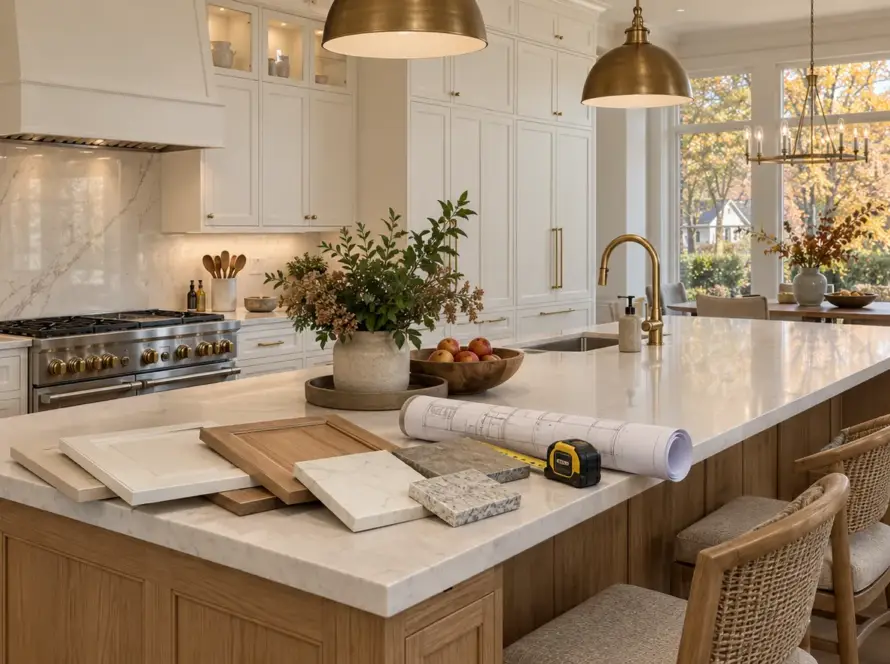
Understanding Minimalism in Kitchen Design
Minimalism in kitchen design emphasizes the principles of simplicity, functionality, and aesthetic clarity. A minimalist kitchen seeks to eliminate clutter by focusing on essential elements that contribute both to utility and visual appeal. The core idea is to create a serene environment that enhances cooking and social interaction while maintaining an organized space free of distractions.
The concept of minimalism stems from the desire to create spaces that are not only practical but also calming. In the context of kitchen layouts, this translates to open floor plans and unobstructed sight lines that encourage a sense of openness. By minimizing the number of visible decor items and opting for clean lines, the overall design becomes more accessible and less overwhelming. This approach allows for a kitchen that feels larger and more inviting, a vital aspect when considering modern home environments.
Functionality is another crucial aspect of minimalist kitchen design. Every item in a minimalist kitchen is chosen for its utility and efficiency. This includes integrated appliances, which help maintain the clean aesthetic by keeping surfaces clear. Storage solutions are also carefully considered; hidden cabinets and drawers help to conceal kitchen necessities while ensuring everything is easily accessible. By organizing elements in this way, the kitchen promotes a workflow that is both efficient and enjoyable.
Aesthetics play a significant role in shaping the ambiance of a minimalist kitchen. The use of a neutral color palette enhances the feeling of tranquility, while natural materials, such as wood and stone, add warmth without compromising the simplicity of the design. Well-placed lighting fixtures can further elevate the space, highlighting key areas while ensuring brightness without cluttering the visual experience.
Combining these principles of minimalism creates a kitchen that not only serves its primary function but also provides a relaxing gathering space. In this way, minimalist design extends beyond mere aesthetics—it reshapes the cooking and dining experience, making it more enjoyable for all who inhabit the space.
Key Elements of a Modern Minimalist Kitchen
A modern minimalist kitchen is characterized by its simplicity and functionality. The essential features that define this style include clean lines, a neutral color palette, and the incorporation of high-quality materials. Each of these elements plays a significant role in creating a harmonious and uncluttered environment.
One of the most prominent aspects of a minimalist kitchen is the emphasis on clean lines. This design principle eliminates unnecessary adornments and focuses on streamlined shapes and forms. Cabinets are typically designed to be flat-front or handleless, which minimizes visual clutter. The result is not only aesthetically pleasing but also functional, as it allows for easy cleaning and maintenance. Straight, geometric lines can also be found in countertops and appliances, enhancing the kitchen’s contemporary feel.
The color palette in a modern minimalist kitchen tends to be neutral, often featuring whites, greys, blacks, and earth tones. This subdued tonal range helps to create a calm and tranquil atmosphere, allowing the homeowner to feel at ease while cooking or entertaining. Neutral colors also serve to enhance natural light, making the kitchen feel more open and spacious. Adding depth through textures, such as matte finishes or soft woods, can still maintain the minimalist aesthetic while keeping the design visually interesting.
Quality materials are crucial in minimalist kitchen design. Choosing high-end materials, such as quartz or granite for countertops, contributes to the kitchen’s overall durability and elegance. Additionally, natural wood or stainless steel can be utilized to create a striking yet simple look. The careful selection of materials not only promotes longevity but also reflects the homeowner’s investment in the space. By focusing on these key elements, a modern minimalist kitchen can be achieved, providing an inviting and functional space for daily activities.
Color Schemes and Finishes for a Minimalist Vibe
When designing a modern minimalist kitchen, the choice of color schemes and finishes plays a vital role in establishing the desired ambiance. The predominant colors often include whites, greys, and other muted tones that enhance simplicity and elegance. These hues not only create a spacious feel but also provide a neutral backdrop that allows for flexibility in design and decoration.
White is frequently regarded as the quintessential color in minimalist kitchens, as it reflects light and makes spaces appear larger. Pairing white cabinetry with a pale grey countertop can create a refined aesthetic that embodies modernity. Furthermore, using a combination of soft shades can add depth without overwhelming the senses. For instance, incorporating various tones of grey—ranging from deep charcoal to delicate dove—can create a visually appealing gradient that remains cohesive.
In addition to color choices, the finishes selected for surfaces are crucial in achieving a minimalist look. Matte finishes can be beneficial in reducing glare, providing a subtle elegance that complements the simplicity of the design. On the other hand, polished finishes can add a touch of sophistication, reflecting light in a way that brightens the kitchen environment. The key is to find a balance between matte and polished finishes that contributes to an overall sleek appearance.
Materials such as quartz, stainless steel, and wood in their natural state provide texture and warmth amid the quiet sophistication typically sought in minimalist design. For example, a minimalist kitchen with white cabinetry paired with a polished quartz countertop could yield a stunning contrast that enhances the overall design.
Ultimately, the best color schemes and finishes for a minimalist kitchen remodel in Washington DC incorporate a muted palette with various materials that promote a clean and uncluttered aesthetic. Carefully curating these elements allows for the creation of a balanced, functional space that is both stylish and serene.
Innovative Storage Solutions
Modern minimalist kitchen remodels emphasize simplicity and efficiency while maintaining an aesthetic appeal. The challenge lies in incorporating effective storage solutions that adhere to minimalist principles without compromising functionality. One viable option is the use of built-in cabinetry that can be seamlessly integrated into the kitchen’s design. These cabinets can be tailored to fit specific spaces, allowing for optimal use of every corner. Their clean lines and lack of protruding hardware keep the space looking uncluttered and visually appealing.
Another innovative solution is hidden storage. This approach enables homeowners to keep essential kitchen items out of sight, maintaining a clean and spacious look. For instance, incorporating pull-out drawers within lower cabinets allows for easy access to utensils, pots, and pans while keeping them concealed when not in use. Additionally, installing sliding shelves in pantry areas can maximize vertical space, providing room for various kitchen supplies without the clutter that can often accompany traditional storage methods.
Open shelving is also a popular choice in minimalist kitchens, showcasing beautiful dishware or cookbooks while promoting an airy feeling in the room. It is essential, however, to be strategic about what is displayed. By curating items based on color and size, homeowners can achieve a harmonious look that aligns with fashion while remaining practical. This balance prevents the space from appearing chaotic, which is against the core values of minimalism.
Moreover, a combination of these storage solutions—incorporating built-in cabinetry, hidden storage, and open shelving—can greatly enhance the functionality of a kitchen. Thoughtful design choices can ensure that everything has its place while supporting a minimalist ethos. By carefully selecting and positioning these storage options, a modern kitchen can achieve an elegant yet highly functional layout too. As you consider your remodel, don’t overlook the importance of innovative storage solutions that can significantly contribute to the efficiency and style of your space.
Connecting Indoor and Outdoor Spaces
In contemporary kitchen designs, particularly within the minimalist aesthetic, establishing a connection between indoor and outdoor spaces is paramount. This design philosophy not only enhances the visual appeal of the kitchen but also promotes a sense of spaciousness and flow. One effective method to achieve this is through the incorporation of large windows and sliding doors that seamlessly blend the indoor and outdoor environments.
Large windows allow natural light to flood into the kitchen, creating a bright and inviting atmosphere. The influx of sunlight can transform the space, making it feel more open and connected to the nature outside. When strategically placed, these windows can frame picturesque views, effectively bringing the outdoors into the kitchen. Furthermore, large windows are often energy efficient, helping to reduce reliance on artificial lighting and lowering energy costs in the long run.
Sliding doors are another excellent addition that can facilitate this connection. These doors, which can be opened wide, provide easy access to outdoor areas, such as patios or gardens. This feature is particularly advantageous during warmer months, as it encourages outdoor dining and entertaining, thus expanding the living space and improving overall usability. By opting for bi-fold or multi-slide doors, homeowners can create an unobstructed view and make the transition between the indoor kitchen and the outdoor space smoother.
In addition to structural features like windows and doors, using outdoor materials can further enhance the cohesive feel between the two spaces. Elements such as stone or wood can be integrated into both the kitchen and outdoor area, establishing a unified design language. This integration not only ties the spaces together aesthetically but also creates practical benefits such as durability and ease of maintenance, making the areas harmonious both visually and functionally.
Smart Technology and Minimalism
Incorporating smart technology into minimalist kitchen remodels brings functionality and modernity while maintaining clean lines and simplicity. The essence of minimalism lies in creating a space that is uncluttered and utilitarian, which harmoniously aligns with the characteristics of advanced technology. Smart appliances serve not only to enhance convenience but also contribute positively to the aesthetic of a minimalist kitchen.
For instance, smart refrigerators can seamlessly blend into cabinetry, offering both storage and advanced features without compromising the sleekness of the design. These appliances can include touch screens, internal cameras to monitor food supply, and energy-efficient settings that can be monitored through a smartphone application. The incorporation of such technology ensures that the kitchen remains organized and serves its purpose effectively.
Moreover, smart cooking devices, such as induction cooktops and smart ovens, stand out due to their minimalist designs and advanced functionality. Induction cooktops deliver precision heating and cook food faster, while smart ovens often come equipped with features like remote control operation and self-cleaning capabilities. This combination not only enhances the cooking experience but also reduces the clutter associated with traditional appliances.
Smart faucets with touchless controls can also complement a minimalist kitchen by reducing the need for handles or knobs which can clutter the countertop. In addition to being practical, these taps often come with sleek designs that contribute to a cohesive aesthetic. The integration of LED lighting embedded in cabinets or under shelves serves as another example of how technology can enhance functionality while remaining visually appealing.
By selecting the right smart technologies, homeowners can achieve a harmonious balance between aesthetics and efficiency in their minimalist kitchen designs. These technological innovations help create a modern kitchen environment that is both stylish and equipped to handle the demands of contemporary cooking.
Lighting Options to Enhance Minimalist Design
Lighting plays a pivotal role in shaping the atmosphere of a modern minimalist kitchen. The right lighting not only illuminates the space but also enhances its aesthetic appeal, making it a critical consideration during the remodeling process. One of the most significant lighting elements to consider is natural light. Large windows and open layouts facilitate abundant natural light, which is often a hallmark of minimalist design. This approach harmonizes the indoors with the outdoors, creating a spacious and airy feel.
In addition to natural light, various artificial lighting options can be employed to complement the minimalist kitchen environment. Recessed lighting is a popular choice; it provides a clean and streamlined look while efficiently illuminating key areas of the kitchen. These fixtures are typically installed in the ceiling, allowing for a seamless integration that maintains an uncluttered aesthetic. By strategically placing recessed lights, one can emphasize workspaces and highlight the sleek lines of minimalist cabinetry.
Pendant lighting is another excellent option for modern kitchens. These fixtures often serve as focal points, especially when hung over kitchen islands or dining areas. Available in various designs, pendant lights can add both functionality and personality while contributing to the overall minimalist theme. Selecting fixtures with a simple design complements the uncluttered nature of a minimalist kitchen, further enhancing its chic aesthetic.
Moreover, under-cabinet lighting is an effective way to boost illumination in specific areas without overwhelming the overall design. This lighting option creates a pleasant ambiance and improves visibility on countertops, facilitating meal preparation and showcasing the beauty of the kitchen materials. By incorporating these different lighting solutions, homeowners can cultivate an inviting atmosphere while adhering to the principles of modern minimalist design.
Sustainable Choices for a Minimalist Kitchen
In recent years, the emphasis on sustainability within kitchen remodeling has gained significant traction, particularly in modern minimalist designs. A minimalist kitchen often prioritizes functionality and simplicity, and integrating sustainable materials and practices can enhance these ideals while being environmentally responsible.
When considering cabinetry, sustainable options such as bamboo or reclaimed wood are excellent choices. Bamboo is considered a rapidly renewable resource due to its fast growth, making it an eco-friendly alternative to traditional hardwoods. Additionally, reclaimed wood adds a unique character to kitchens while reducing the need for new lumber production, thus conserving forests. It is essential to choose cabinetry that uses minimal harmful chemicals in the finishing process, as this not only supports health but also aligns with minimalist values of reducing clutter—both physical and chemical.
Countertops are another critical area where sustainability can be prioritized. Options like recycled glass or composite materials made from recycled resources can offer stunning visual appeal while reducing waste. These materials not only provide a modern aesthetic but also reflect the commitment to eco-conscious living. Furthermore, natural stone countertops, available in eco-friendly varieties, can contribute to a timeless elegance in minimalist kitchens while ensuring durability.
Lastly, opting for energy-efficient appliances is paramount in creating a sustainable kitchen. Many manufacturers now produce appliances that meet high energy efficiency standards, significantly reducing energy consumption compared to traditional models. Look for items that have earned the ENERGY STAR label, as these options often combine functionality with eco-friendliness, ensuring that a minimalist kitchen operates efficiently and aligns with sustainable practices.
In conclusion, embracing sustainable materials and practices in kitchen remodeling not only enhances the aesthetic appeal of a minimalist design but also aligns with an environmentally responsible approach. By focusing on eco-friendly options for cabinetry, countertops, and appliances, homeowners can create a space that embodies modern minimalism while fostering a commitment to sustainability.
Planning Your Minimalist Kitchen Remodel
Embarking on a kitchen remodel to achieve a modern minimalist aesthetic requires careful planning and execution. The first step is to establish a clear vision of the desired outcome. Begin by collecting inspiration from various sources such as design magazines, websites, and social media platforms. Look for elements that resonate with a minimalist theme, such as clean lines, neutral color palettes, and functional layouts.
Once you have a vision, it is crucial to set a realistic budget. Consider all the elements involved in the remodel, including materials, labor, and potential hidden costs. A detailed budget will help to prevent overspending and ensure that funds are allocated appropriately. It can be beneficial to set aside a contingency fund for unexpected expenses that may arise during the renovation.
Next, determine whether to hire professionals or tackle the project independently. Hiring a designer or contractor specializing in minimalist kitchen remodels can significantly streamline the process. They can provide valuable insights into the best materials, layouts, and trends that align with your vision. If opting to DIY, ensure you have the necessary skills and tools, and allocate sufficient time for the project.
Creating a cohesive design plan is essential for achieving a successful minimalist kitchen. Consider the functions that the kitchen must fulfill and how the layout can enhance these functions while maintaining a clean aesthetic. Focus on choosing high-quality materials that exude simplicity, such as sleek cabinetry, quartz countertops, and ergonomic fixtures. Use a limited color palette to ensure uniformity and coherence throughout the space.
Finally, visualizing the layout through sketches or 3D renderings can be extremely helpful. This step allows for adjustments before any physical work begins, helping to ensure the final outcome aligns with the original vision. With thorough planning, your modern minimalist kitchen remodel can become a beautiful and functional space that reflects your personal style.