Introduction to Floor-to-Ceiling Kitchen Cabinets
Floor-to-ceiling kitchen cabinets have gained significant popularity among homeowners looking to optimize storage space and enhance the aesthetic appeal of their kitchens. Unlike traditional cabinetry, which usually stops at a certain height, these cabinets extend all the way from the floor to the ceiling, thereby providing an extensive vertical storage solution. This design characteristic not only maximizes the available space but also contributes to a more streamlined appearance in the kitchen.
One of the primary advantages of floor-to-ceiling kitchen cabinets is their ability to create an illusion of height and spaciousness within the room. By drawing the eye upward, these cabinets can help make a smaller kitchen feel larger and more open. In addition to their visual benefits, they offer practical usability, as the increased storage capacity allows homeowners to store more items without cluttering countertops or having to rely on additional storage furniture.
Moreover, the design of floor-to-ceiling cabinets is often more modern and sleek compared to traditional cabinets, which can sometimes appear bulky or outdated. These cabinets can be customized with various finishes, colors, and hardware options to suit any kitchen design, from contemporary to classic. Homeowners can also incorporate features such as glass doors or open shelving at the top to showcase decorative items, ultimately enhancing the overall aesthetic of the space.
In summary, floor-to-ceiling kitchen cabinets are a transformative element in kitchen design, offering both functional and visual benefits. Their seamless integration into kitchen spaces not only provides ample storage and organization but also elevates the overall style and elegance of the room. As more homeowners recognize these advantages, floor-to-ceiling cabinets continue to be a preferred choice for modern kitchens in Arlington and beyond.
Benefits of Floor-to-Ceiling Cabinets
Implementing floor-to-ceiling kitchen cabinets in Arlington presents a variety of advantages that significantly enhance both functionality and aesthetic appeal in kitchen spaces. One of the most notable benefits is the increased storage capacity. Traditional cabinets often leave valuable wall space unused, but extending cabinets from the floor to the ceiling optimizes vertical storage, allowing homeowners to make the most of their kitchen’s square footage. This feature is particularly beneficial in smaller homes or urban settings where maximizing space is vital.
Furthermore, floor-to-ceiling kitchen cabinets contribute to improved organization. With more available space, homeowners can dedicate specific sections of their cabinets for different kitchen items, ranging from cookware to pantry staples. This organization leads not only to easier access but also to a more efficient cooking environment. When everything has its designated place, the likelihood of clutter is minimized, facilitating a smoother workflow for meal preparation.
In addition to practical benefits, floor-to-ceiling cabinets can significantly enhance the visual appeal of a kitchen. They create a seamless and cohesive look, which is especially desirable for modern kitchen designs. By eliminating gaps between cabinets and the ceiling, these installations often give the illusion of higher ceilings, further enhancing the spacious feel. The elegance of fully built-in cabinets can also serve as a striking focal point, making kitchens more inviting and visually appealing spaces.
Moreover, these cabinets can be designed with various finishes and styles to match individual tastes, whether one prefers a sleek contemporary look or a more traditional appearance. Ultimately, integrating floor-to-ceiling kitchen cabinets not only improves storage and organization, but also transforms the kitchen into a stylish and functional area, catering to the needs of today’s homeowners.
Choosing the Right Material for Your Cabinets
When considering floor-to-ceiling kitchen cabinets in Arlington, the choice of material is crucial not only for aesthetics but also for durability and functionality. Various materials like wood, laminate, and metal present unique advantages and challenges that can influence the overall design and longevity of your cabinets.
Wood is a classic choice, renowned for its timeless appeal and natural beauty. Various types of wood, such as oak, maple, and cherry, offer different grains and colors, allowing for a customized look that can seamlessly fit into any kitchen decor. Additionally, wood cabinets can be stained or painted in various finishes, providing flexibility in design. However, it is important to consider that solid wood can be more susceptible to warping and environmental changes, requiring proper maintenance to ensure longevity.
Laminate is another popular option for kitchen cabinets. It is constructed by fusing layers of material and offers a vast array of colors and patterns, including designs that mimic the look of wood or stone. Laminate cabinets are often more affordable than their wooden counterparts and are known for their resistance to scratches and stains, making them an excellent choice for high-traffic kitchens. Nevertheless, while laminate is durable, its aesthetic appeal typically cannot compete with natural wood.
Metal cabinets, often made from stainless steel or aluminum, are increasingly being used in contemporary kitchen designs due to their modern and sleek appearance. They are known for their durability and resistance to moisture and heat, making them particularly suitable for busy cooking environments. However, metal cabinets may show fingerprints and scratches more readily than wood or laminate, which could require more frequent cleaning to maintain their appearance.
When selecting the ideal material for your floor-to-ceiling cabinets, it is vital to consider the kitchen’s design style, the specific usage of the space, and the maintenance requirements of each material. Understanding the nuances of wood, laminate, and metal will help you make an informed decision that enhances both the functionality and visual appeal of your kitchen.
Styles and Designs Variations
Floor-to-ceiling kitchen cabinets offer a multitude of design options, catering to various tastes and preferences. By understanding the different styles available, homeowners in Arlington can select cabinets that not only maximize space but also enhance the aesthetic appeal of their kitchens.
One popular style is the modern and minimalist approach, characterized by clean lines, sleek finishes, and a lack of ornate detailing. This design often utilizes materials such as laminate or polished metal, which provide a contemporary look and feel. The seamless integration of cabinetry into the walls creates an illusion of more space, making it an ideal choice for those who prefer a clutter-free environment.
In contrast, classic kitchen designs emphasize elegance and sophistication. Cabinets in a traditional style often feature raised panel doors, detailed moldings, and rich wood finishes. This style connects warmth and timeless appeal, creating a cozy atmosphere. A painted or stained wood cabinet can either enhance the rustic charm or add a contemporary twist when paired with modern hardware.
Rustic designs, inspired by farmhouse aesthetics, emphasize natural materials and artisanal craftsmanship. Floor-to-ceiling cabinets in this style typically incorporate distressed wood, open shelving, and vintage hardware. This approach brings a sense of warmth and character to the kitchen, making it an inviting space for cooking and gathering.
For those looking to blend styles, transitional cabinets can combine elements from both modern and traditional designs. This approach is characterized by a harmonious balance of various design elements, such as sleek surfaces paired with classic accents. Such versatility allows homeowners to create unique kitchens that reflect their personal tastes while maximizing space effectively.
Overall, selecting the right design style for floor-to-ceiling kitchen cabinets can significantly influence the overall impression and functionality of a kitchen. By exploring different styles, homeowners can find the perfect fit that complements their aesthetic preferences while enhancing the usability of their space.
Color Schemes and Finishes
When it comes to designing a kitchen, the choice of color schemes and finishes for floor-to-ceiling cabinets plays a crucial role in enhancing the overall aesthetic appeal of the space. The cabinetry not only serves a functional purpose but also acts as a visual anchor within the kitchen. Selecting the right color and finish can dramatically transform the ambiance.
Neutral color palettes, such as whites, grays, and beiges, continue to be popular choices for floor-to-ceiling cabinets. These hues offer versatility, allowing homeowners to easily change decor and accents without needing to repaint or replace cabinets. A soft white finish, for instance, can create an illusion of space and light, making even smaller kitchens feel more open.
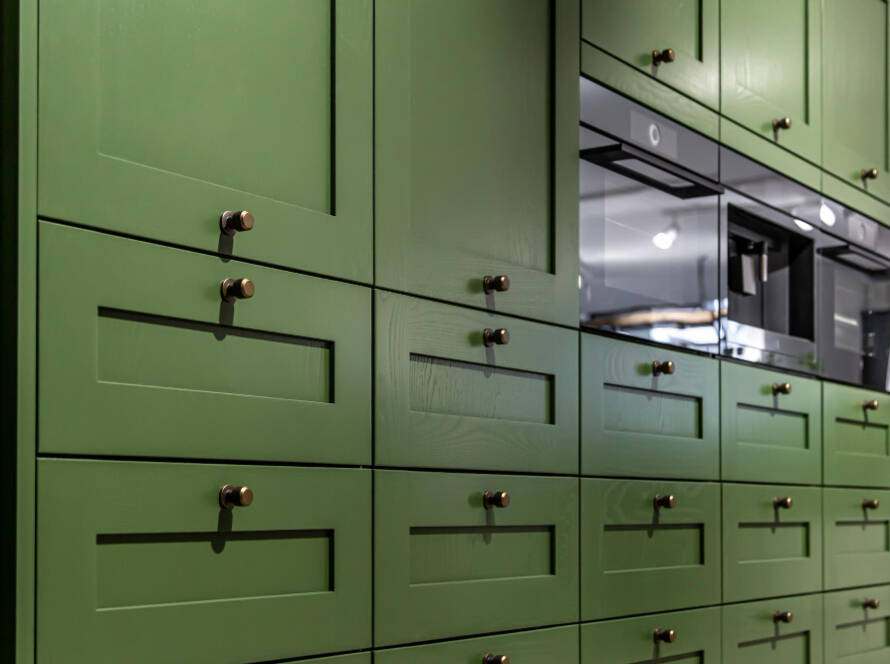
On the other hand, bolder colors like deep navy, forest green, or even rich burgundy are gaining traction for those seeking to make a statement. These tones can add depth and character to the kitchen, creating a striking contrast against lighter countertops and flooring. When selecting more vibrant shades, homeowners should consider incorporating complementary elements, such as brass or gold hardware, which can enhance the overall design.
The finish of the cabinetry also significantly influences the kitchen’s feel. Matte finishes offer a more modern and subdued look, while glossy finishes reflect light and can contribute to a more polished, contemporary aesthetic. Additionally, textured finishes, such as shiplap or beadboard, can add visual interest and a warm, inviting touch to the cabinetry.
Ultimately, the right combination of color schemes and finishes for floor-to-ceiling cabinets in Arlington can greatly enhance the functionality and design of the kitchen. By carefully considering the existing elements of their kitchen and the desired atmosphere, homeowners can choose cabinetry that truly complements their space.
Installation Considerations
When it comes to installing floor-to-ceiling kitchen cabinets, several important factors must be considered to achieve optimal functionality and aesthetic appeal.
First and foremost, precise measurements are crucial. Before purchasing cabinets, it is essential to measure the height, width, and depth of the available space. This ensures that the cabinets will fit seamlessly into the kitchen layout, providing the maximum storage capacity without compromising the overall flow of the room. Consideration for trim and crown molding is also necessary, as these elements can affect the height and visual proportions of the cabinets.
Wall stability is another key factor. Floor-to-ceiling cabinets can be quite heavy and may require additional support in some scenarios. It is vital to assess the structural integrity of the walls where the cabinets will be mounted. In older homes especially, it may be necessary to reinforce the walls to prevent any potential issues, such as sagging or even collapsing cabinets over time.
Additionally, one must decide between professional installation or a DIY approach. While a DIY installation can save money, it may not yield the same results as a professional installation, particularly in terms of precision and safety. Professionals possess the necessary expertise and tools to handle challenges that might arise during installation, ensuring a higher quality finish. On the other hand, an experienced DIYer may find joy in the process, as well as cost savings if they possess the skills and knowledge required.
In conclusion, careful attention to measurements, wall stability, and the choice between professional or DIY installation can significantly influence the outcome of the installation of floor-to-ceiling kitchen cabinets. Taking the time to evaluate these considerations can help create a functional and visually appealing kitchen environment.
Maintaining and Caring for Your Cabinets
Floor-to-ceiling kitchen cabinets can greatly enhance the functionality and aesthetic appeal of your kitchen in Arlington. To ensure that these cabinets remain in good condition and provide lasting service, proper maintenance and care are essential. Here are several tips to help you maintain your cabinets effectively.
First and foremost, regular cleaning is crucial for preserving the finish and preventing the buildup of dirt and grease. For routine cleaning, a soft, damp cloth should suffice. Use a gentle cleaner or a mixture of warm water and mild soap to wipe down the surfaces. It is important to avoid harsh chemicals or abrasive scrubbing pads, as these can damage the finish of your cabinets. Ensure that you dry the surfaces with a clean cloth after washing to prevent moisture damage.
In addition to regular cleaning, consider using a quality furniture polish or wood conditioner periodically. This not only enhances the appearance but also protects the wood from moisture and other environmental factors. Apply the polish according to the manufacturer’s instructions, usually every few months, especially if the cabinets are exposed to humidity or high temperatures.
Furthermore, paying attention to the hardware of your cabinets can extend their lifespan. Check for loose hinges and knobs regularly, and tighten them as needed. This simple step can prevent wear and tear, maintaining the functionality of your cabinets over time.
Another essential aspect of preventive care is monitoring for any signs of damage, such as scratches or dents. Addressing these issues promptly can prevent further deterioration. For minor scratches, a wood touch-up pen can be used to conceal imperfections. If you notice more significant damage, it may be wise to consult a professional for repairs.
In conclusion, maintaining floor-to-ceiling kitchen cabinets involves regular cleaning, the application of protective products, and diligent care of hardware and finishes. By following these tips, homeowners in Arlington can ensure their cabinets remain both functional and beautiful for years to come.
Cost Factors and Budgeting
When considering the installation of floor-to-ceiling kitchen cabinets in Arlington, numerous cost factors must be carefully evaluated to ensure a well-planned budget. The materials selected for cabinetry play a significant role in determining the overall expenses. Options such as plywood, particleboard, or solid wood vary widely in price. While solid wood tends to be the most expensive, it is also the most durable and aesthetically pleasing choice. In contrast, particleboard, while more affordable, may not offer the same longevity or visual appeal.
Installation costs also contribute significantly to the overall budget. Professional installation is recommended for floor-to-ceiling cabinets due to the complexity and need for precision. Labor costs can fluctuate based on the contractor’s expertise and the intricacy of the installation process. Homeowners should obtain multiple quotes from licensed contractors to ensure competitive pricing. nAdditionally, preparation work, such as moving appliances, repairing walls, or modifying existing layouts, can add to the labor expenses, making it essential to account for these potential costs in the overall estimate.
Despite the initial investment, floor-to-ceiling kitchen cabinets can lead to long-term savings. Their abundant storage capabilities can mitigate the need for additional furniture, such as standalone shelving units, which may also require regular replacement. Furthermore, these cabinets can be designed to improve kitchen functionality, allowing for better organization. This enhances efficiency in meal preparation and can contribute to a more streamlined cooking experience. Over time, the durability of high-quality materials can result in lower maintenance costs, as they may require fewer repairs or replacements.
In conclusion, while the upfront costs of floor-to-ceiling kitchen cabinets may appear substantial, careful budgeting that considers material options, installation fees, and long-term savings potential can make this investment worthwhile for many homeowners in Arlington.
Conclusion: Transforming Your Kitchen with Floor-to-Ceiling Cabinets
Incorporating floor-to-ceiling cabinets in your kitchen design can significantly enhance both functionality and aesthetics. These cabinets maximize storage space by utilizing vertical dimensions, allowing homeowners to store more kitchen essentials without occupying extra floor space. The seamless, continuous look that floor-to-ceiling cabinets offer can create a sense of elegance and sophistication in your kitchen, making it a focal point of the home.
Additionally, these cabinets can be tailored to suit individual styles, whether one prefers a modern, sleek finish or a more traditional, detailed design. The use of cabinetry that extends to the ceiling not only provides more storage options but also eliminates the often troublesome dust traps found on top of standard-height cabinets. Furthermore, incorporating glass doors or open shelving at the upper levels of these cabinets can add a decorative touch while keeping the space feeling open and airy.
However, it is essential to consider certain factors when opting for floor-to-ceiling cabinets. The overall layout of the kitchen must be conducive to such a design, ensuring that the cabinets do not overwhelm the space or make it feel cramped. Proper planning and design consultations are vital to achieving the desired look without sacrificing comfort or accessibility.
Ultimately, embracing the idea of floor-to-ceiling kitchen cabinets can transform a typical kitchen into a stylish and highly functional space. For homeowners in Arlington contemplating a kitchen renovation, these cabinets present an opportunity to blend aesthetics with practicality, ensuring a beautiful and organized environment. Whether you prioritize storage efficiency or visual appeal, floor-to-ceiling cabinets can be an integral part of your kitchen’s rejuvenation, encouraging an upgrade that enhances everyday cooking and entertaining experiences.