Introduction to Built-In Cabinets
Built-in cabinets represent a sophisticated and functional approach to storage in living rooms, distinguishing themselves from traditional freestanding furniture. Unlike standalone cabinets, which can often appear bulky or misplaced, built-in cabinetry is seamlessly integrated into the architecture of the room. This flush installation allows for a cohesive look that maximizes space while providing a tailored aesthetic.
One of the key advantages of built-in cabinets is their adaptability to various design styles. Whether the living room embraces a contemporary, rustic, or classical decor, built-in cabinets can be customized to complement the overall theme. With options ranging from sleek, minimalistic designs to ornate, traditional finishes, homeowners can select materials, colors, and styles that reflect their personal taste and enhance their living environment.
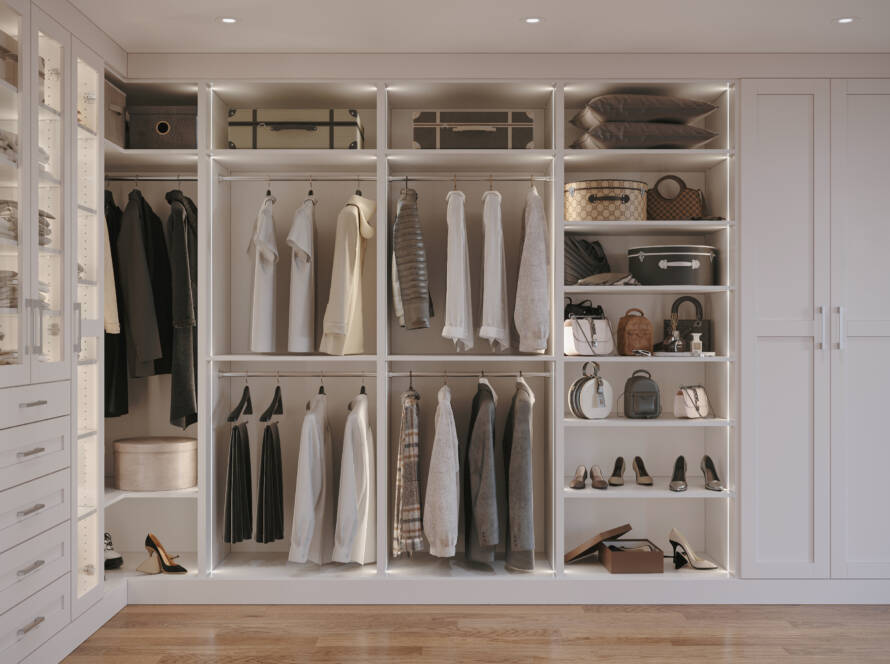
Additionally, built-in cabinets offer practical functionality that extends beyond mere aesthetics. They can be designed to house multimedia equipment, books, or decorative items, creating a streamlined look that reduces clutter. By maximizing vertical space, built-in cabinets effectively utilize corners and nooks that might otherwise remain underutilized. These cabinets can be constructed to include a variety of features such as shelving, drawers, and even integrated lighting, providing both visual appeal and convenience.
The versatility of built-in cabinets makes them an ideal storage solution for living rooms. They can adapt to the evolving needs of modern households, serving multiple purposes without sacrificing style. By incorporating built-in cabinetry, homeowners can achieve a polished, organized look while enhancing the overall functionality of their living space.
Benefits of Built-In Cabinets
Built-in cabinets offer numerous advantages, making them an ideal choice for enhancing the functionality and aesthetic appeal of living rooms. One significant benefit lies in their ability to maximize available space. By being designed to fit snugly into the contours of a room, built-in cabinets utilize wall space effectively, ensuring that even awkward corners or alcoves can serve a purpose. This integration helps in reducing wasted space and creates a more streamlined look in the living area.
In addition to maximizing functionality, built-in cabinets contribute to a seamless visual appearance within the living room. Unlike freestanding furniture, which can disrupt the flow of a room, built-in options blend harmoniously with the surrounding architecture. They can be customized to match the room’s decor, including the choice of materials, colors, and finishes. This customization allows homeowners to choose styles that complement their overall design vision, whether modern, traditional, or eclectic.
Moreover, built-in cabinets provide additional storage solutions that help maintain an organized and clutter-free environment. They can accommodate various items, including books, decorative pieces, electronics, and more, all within easy reach while also concealing unsightly clutter. By having designated spaces for different items, built-in cabinets contribute to a more orderly living room. This not only enhances the usability of the space but also promotes a sense of tranquility, as an organized room is often more enjoyable and easier to relax in.
In summary, the benefits of incorporating built-in cabinets in living rooms include efficient space utilization, a cohesive aesthetic, and valuable storage options that facilitate organization. These attributes make them a smart investment for anyone looking to enhance both style and functionality in their home.
Design Styles for Built-In Cabinets
Choosing the right design style for built-in cabinets is crucial, as it influences both functionality and the aesthetic appeal of your living room. There are several styles to consider, each contributing uniquely to the overall ambiance of the space.
Starting with modern design, built-in cabinets typically showcase clean lines, minimal ornamentation, and a sleek finish. This style prioritizes functionality and integrates seamlessly with contemporary furniture, making it ideal for those who appreciate a sophisticated look without excessive decor. The use of neutral colors often enhances the modern aesthetic while allowing for easy coordination with existing elements in the living room.
On the other end of the spectrum, traditional built-in cabinets are characterized by intricate details, ornate moldings, and rich woods. This style can evoke a sense of warmth and history, making it suitable for classic or vintage-inspired living rooms. Choosing rich finishes can help these cabinets stand out as statement pieces while still providing the essential storage solutions.
For a more relaxed feel, rustic designs incorporate natural materials like reclaimed wood and stone. These built-in cabinets often feature a handcrafted look, perfect for a cozy and inviting atmosphere. This style resonates well with homeowners looking to create a cabin-like environment within their living spaces.
Lastly, minimalist design focuses on simplicity and efficient use of space. Built-in cabinets in this style are often less bulky and may blend into the background, allowing other features of the living room to take center stage. When opting for minimalism, consider fabrics and colors that align with the overall theme, creating a serene space that prioritizes openness and tranquility.
Ultimately, the key is to select a built-in cabinet design that complements your living room’s style, ensuring both storage efficiency and aesthetic harmony.
Materials and Finishes for Built-In Cabinets
When it comes to designing built-in cabinets for living rooms, the selection of materials and finishes is crucial not only for aesthetics but also for functionality. Various materials can be employed to create cabinets that are both stylish and durable. One of the most popular choices is solid wood, known for its natural beauty and sturdiness. Wooden cabinets can be crafted from various species, such as oak, maple, or cherry, each offering a distinct grain pattern and color. Staining these cabinets can enhance their appearance, bringing out the intricate details of the wood while providing protection.
An alternative to solid wood is Medium Density Fiberboard (MDF), which is an engineered material made from wood fibers. MDF is particularly advantageous for those seeking a smooth finish, as it can be painted easily. It is also resistant to warping, making it an ideal option for areas with varying humidity levels. When using MDF, a high-quality paint or laminate can be applied to achieve a sleek and modern look.
Glass-front cabinets are another option that adds an element of sophistication to any living space. Glass showcases the items stored within, creating an open and airy feel. These cabinets can be coupled with wooden or metal frames to provide a cohesive yet contrasting style. Metal finishes offer a contemporary feel, with options such as stainless steel or brass that can create a striking visual appeal. Depending on the design, metal can be integrated in cabinet handles or accents.
Whether opting for wood, MDF, glass, or metal, the choice of finish should complement the overall decor of the living room. Paints, stains, and varnishes not only enhance durability but also offer the opportunity to express personal style. A well-finished built-in cabinet can serve as a statement piece while providing essential storage to keep the living area organized.
Customization Options for Built-In Cabinets
Built-in cabinets offer a versatile storage solution that can be crafted according to individual preferences and requirements. One of the primary advantages of built-in cabinets is the plethora of customization options available. Homeowners can work with designers or carpenters to create shelving configurations that are specifically tailored to fit their items, from books and decorative pieces to electronics and more.
One popular customization option involves adjustable shelving. This allows for the arrangement of shelves at different heights, accommodating various sizes of books and other items. Whether you prefer open shelving for a modern look or closed cabinets for a tidy aesthetic, customization ensures that the built-in cabinets meet your unique storage demands.
Another significant consideration in the customization of built-in cabinets is the incorporation of integrated lighting. Lighting can enhance the visibility of stored items while simultaneously creating an inviting atmosphere in the living space. Options such as LED strip lights or recessed lighting specifically designed for cabinets make it easy to highlight certain areas or features within the cabinet.
The selection of hardware is a further avenue for customization that should not be overlooked. Different finishes and styles of cabinet handles, knobs, and hinges can markedly influence the overall design of built-in cabinets. By opting for unique hardware choices, one can imbue their cabinets with a personalized touch that complements the existing design elements in the room.
Ultimately, customized built-in cabinets serve as both functional storage solutions and stylish features within a living room. By exploring various options such as shelving configurations, integrated lighting, and bespoke hardware, homeowners can create cabinets that reflect their style while meeting their storage needs effectively.
Incorporating Technology with Built-In Cabinets
In the contemporary living space, the integration of technology within built-in cabinets has become a modern necessity. Homeowners increasingly seek solutions that not only enhance aesthetic appeal but also maintain functionality, especially in multipurpose rooms. Built-in cabinets can be expertly designed to accommodate various technological needs, offering an organized and user-friendly environment.
One effective approach is the installation of hidden outlets. These strategically placed outlets can be incorporated into the design of the cabinets, allowing for seamless charging of electronic devices while keeping them out of sight. This not only preserves the artistic allure of the cabinets but also helps to avoid clutter that typically arises from visible wires and charging stations.
Another aspect worth considering is the implementation of cable management systems. With various devices such as televisions, gaming consoles, and audio systems, cable management becomes essential. Built-in cabinets can include specially designed compartments or conduits that route and conceal cables, thus maintaining a clean and organized appearance. Such thoughtful design can significantly enhance the overall ambiance of a living area.
Moreover, incorporating charging stations into built-in cabinets can transform them into multifunctional spaces. By integrating wireless charging pads or USB ports, homeowners can conveniently charge their devices while ensuring that the decor remains uninterrupted. This modern feature appeals to the tech-savvy individual, making built-in cabinets not just smart storage solutions but also hubs of connectivity.
Ultimately, by embracing technology in the design of built-in cabinets, homeowners create a harmonious balance between style and practicality. This enhances the utility of living spaces, aligning with the demands of modern lifestyles while ensuring that the aesthetic remains unperturbed.
DIY vs. Professional Installation
When considering the installation of built-in cabinets for your living room, one of the critical decisions you will face is whether to tackle the project yourself or hire a professional. This choice can significantly affect the final quality of the cabinets, the time needed for completion, and overall costs.
Choosing to go the DIY route can be an attractive option for homeowners looking to save money. This choice allows for greater personal involvement in the design process, enabling you to create customized built-in cabinets that reflect your individual style. Moreover, with an array of resources available—such as online tutorials and DIY forums—first-time installers can find guidance to help navigate the installation process. However, it is essential to honestly assess your skill level. Building and installing cabinets requires a good grasp of carpentry, measurements, and finishing techniques. If you lack experience, the potential for errors increases, which can lead to additional costs and time delays.
On the other hand, professional installation offers a level of expertise that DIY enthusiasts may find challenging to match. Hiring a professional ensures that the cabinets are built to high quality and installed correctly, providing peace of mind. Professionals bring not only their skills but also specialized tools and experience that streamline the installation process. However, this option often involves a higher financial investment and may require you to compromise on design to fit a contractor’s recommendations.
Ultimately, the decision between DIY or hiring a professional for your built-in cabinets should consider your budget, skill set, and the desired outcome. Weighing these factors can assist in determining which route will yield the best results without sacrificing style or function in your living space.
Maintenance Tips for Built-In Cabinets
Maintaining built-in cabinets is essential for preserving their aesthetic appeal and functionality over time. Regular cleaning is the first step in ensuring that your cabinets remain in pristine condition. Use a gentle cleaner suited for the specific material of your cabinets—be it wood, laminate, or metal. A simple solution of warm, soapy water can be effective for most surfaces. Apply the cleaner with a soft cloth, taking care to avoid abrasive materials that could scratch the finish.
Preventative care is equally important to prolong the life of your built-in cabinets. For wooden cabinets, it is advisable to apply a protective polish or wax periodically. This will not only enhance their shine but also provide a protective layer against moisture and stains. Additionally, placing coasters or mats under items that could potentially scratch or discolor the surface can help prevent damage.
Another aspect to consider is humidity control, particularly for wooden cabinets, as excessive moisture can lead to warping or mold. Ensure proper ventilation in the area surrounding your built-ins, and if necessary, invest in a dehumidifier for particularly humid climates.
Addressing wear and tear promptly is vital for maintaining the functionality of built-in cabinets. Inspect your cabinets regularly for signs of damage such as loose hardware or chipped paint. Tighten any loose screws and consider repainting or refinishing areas that show significant wear. For more extensive repairs, consulting a professional may be necessary to ensure that the integrity of the cabinetry remains intact.
By following these maintenance tips, homeowners can ensure that their built-in cabinets serve both purpose and style for years to come.
Stylish Storage Solutions
In summary, built-in cabinets present an excellent opportunity for homeowners to enhance their living rooms with both functionality and elegance. Throughout this discussion, we have highlighted the versatility of these storage solutions, showcasing how they can seamlessly integrate into various design aesthetics—be it modern, rustic, or traditional.
One of the significant advantages of built-in cabinets is their customizability. Tailoring the design, size, and finish to match existing decor allows homeowners to maintain visual coherence. Whether utilizing them for displaying cherished items, housing books, or storing everyday essentials, these cabinets offer solutions that cater to individual preferences and needs.
Additionally, the trend towards minimalism in interior design encourages multifaceted furniture. Built-in cabinets contribute to this trend by eliminating clutter while providing ample storage space. The clever use of vertical areas in a room can create a sense of openness and facilitate better organization without sacrificing style.
It is essential, however, for homeowners to consider their specific storage requirements and the overall character of their living spaces when planning for built-in cabinets. The ultimate goal should be to enhance the room’s ambiance while ensuring practicality. As such, investing time in selecting and designing the perfect built-in cabinets can transform a living room into an inviting and efficient area.
As we conclude, we encourage readers to explore the countless options available for built-in cabinets. By doing so, one can achieve a harmonious blend of style and storage that elevates the entire living experience. Embracing these functional solutions not only enhances the aesthetic appeal but also reflects the homeowner’s unique taste and lifestyle.