Introduction to Cabinet Color and Texture
In the realm of interior design, the significance of cabinet color and texture cannot be overstated. These elements play a pivotal role in shaping the overall aesthetic and functionality of a space. The choice of cabinet color influences not only the visual appeal but also the mood of a room. Warm tones such as reds, yellows, and oranges can create an inviting atmosphere, while cooler colors like blues and greens may evoke a sense of calm and serenity.
Texture adds another layer of visual interest and can transform standard cabinetry into a sophisticated design feature. For instance, smooth finishes can convey a modern, sleek look, while textured surfaces like wood grain or distressed finishes can lend a rustic charm. Understanding the balance of cabinet aesthetics and their interaction with other elements in a space is essential for a cohesive design.
The growing trend towards personalized decor has made it increasingly important to explore diverse cabinet color ideas and texture trends. Homeowners are moving away from traditional white cabinetry in favor of bolder choices that reflect their unique styles. This shift underscores the role of cabinets not merely as storage solutions, but as central components of interior design that can express individuality and creativity.
Ultimately, the integration of cabinet color ideas and texture options into the overall design scheme facilitates a harmonious environment tailored to the inhabitants’ preferences. By carefully considering these elements, one can enhance both the functionality and aesthetic appeal of any space, culminating in a beautifully designed home that resonates with personal style.
Key Concepts of Color Theory in Interior Design
Understanding color theory is crucial for anyone interested in interior design, especially when it comes to choosing cabinet color ideas and enhancing kitchen cabinet aesthetics. At the heart of color theory lies the color wheel, which is composed of primary colors (red, blue, yellow), secondary colors (green, orange, purple), and tertiary colors. This wheel illustrates the relationships between different colors, helping designers to create visually appealing combinations.
Complementary colors, situated opposite each other on the color wheel, provide high contrast and can lead to striking and dynamic kitchen cabinet textures. For instance, pairing a deep navy cabinet with warm amber accents can create an inviting and sophisticated atmosphere. Likewise, analogous colors, which sit next to each other on the wheel, can promote harmony and consistency, making them ideal when striving for a serene design. By selecting harmonizing shades, such as soft greens and blues, designers can achieve a cohesive look that complements various interior design styles.
The emotional impact of colors cannot be underestimated. Each color evokes a different response—blue can instill calmness, while orange can encourage energy and enthusiasm. Understanding how colors influence human emotions enables homeowners to tailor their environments more effectively. For example, choosing warm cabinet colors can instill a sense of comfort and coziness in kitchens designed for family gatherings. Conversely, opting for cooler tones can create a modern and elegant feel, aligning with minimalist design principles.
Ultimately, knowledge of color theory empowers individuals to make informed decisions about cabinet color ideas and textures that will not only enhance their kitchen aesthetics but also suit their personal style and emotional needs. This foundational understanding lays the groundwork for a more intentional approach to interior design.
Popular Cabinet Colors for Modern Interiors
Modern interior design is characterized by clean lines, simplicity, and a focus on functionality, which extends to kitchen cabinet aesthetics as well. Among the most popular cabinet color ideas in contemporary settings, white, gray, navy blue, and green stand out for their versatility and ability to complement various styles.
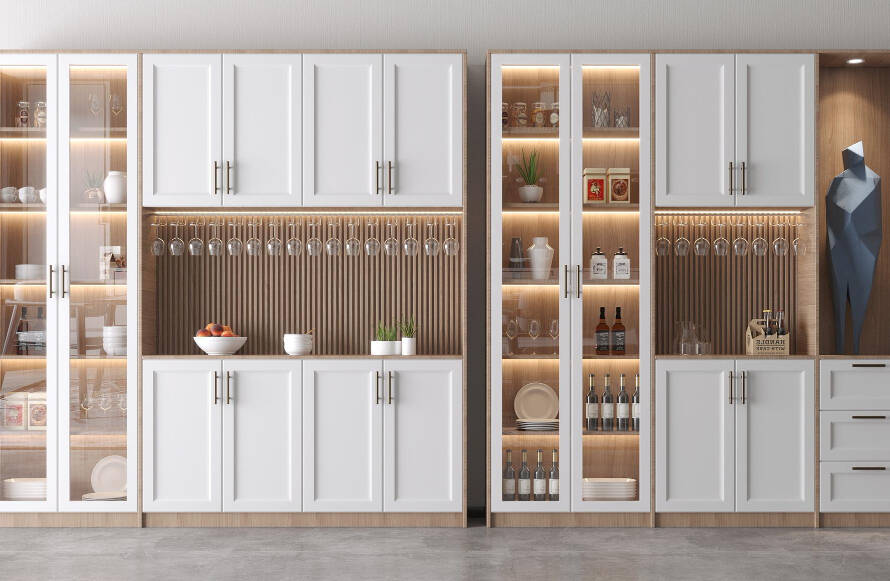
White cabinetry is a timeless choice that evokes a sense of cleanliness and spaciousness. It pairs seamlessly with both traditional and modern decor, making it suitable for various interior design styles. This color not only enhances natural light but also creates a blank canvas for more vibrant accent pieces, thus ensuring that the kitchen remains inviting yet sophisticated.
Gray, on the other hand, is another highly sought-after color for cabinets, offering a modern yet warm alternative to stark white. Available in a variety of shades, from soft greys to dramatic charcoals, this color embodies elegance and sophistication. Gray cabinets can easily fit into multiple interior design styles, from industrial to minimalistic, helping to create a harmonious environment.
Navy blue has emerged as a bold choice for cabinet colors, bringing depth and richness to modern kitchens. This color represents calmness and stability, making it an ideal option for spaces meant for gathering and socializing. Navy blue cabinets can dramatically anchor the decor and are often paired with lighter countertops to maintain balance in the kitchen.
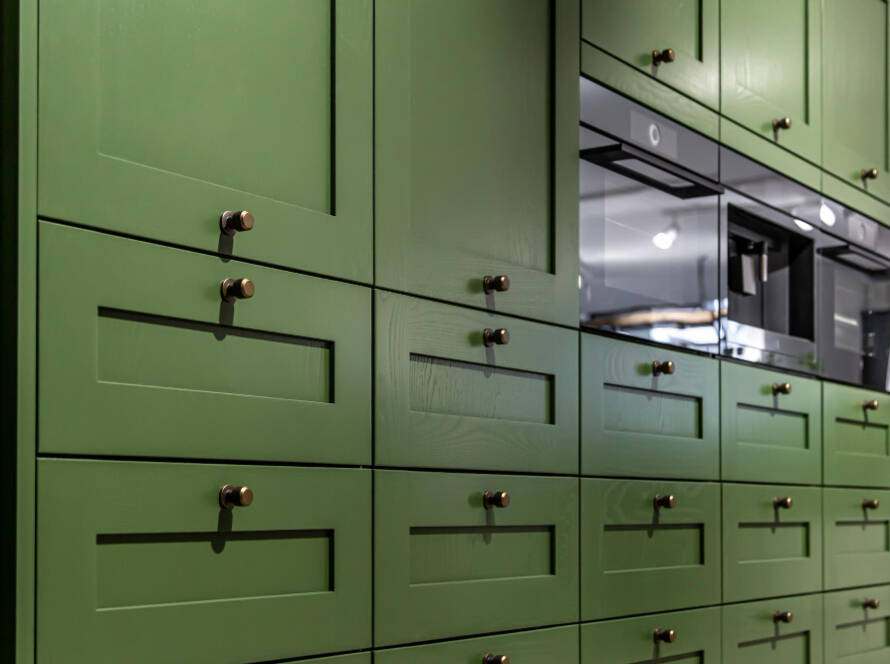
Lastly, various shades of green are gaining popularity as cabinet color ideas, adding freshness and tranquility to modern interiors. Green cabinets evoke a connection with nature, promoting a serene environment in the kitchen. They can work wonderfully in eco-friendly designs or as accents in more traditional settings, thus showcasing the adaptability of cabinet textures and colors.
The choice of cabinet colors significantly influences the overall ambiance of a modern kitchen. When selecting colors, it is essential to consider how they align with your desired emotions and the overall cohesion with other design elements in the space.
Textural Elements of Cabinets and Their Impact
The choice of cabinet textures is crucial, as it greatly influences the overall aesthetics and functionality of any kitchen or living space. Various textural elements, such as matte, glossy, distressed, and natural wood finishes, each contribute distinctively to the ambiance and character of the interior design. For example, matte finishes present a soft, understated elegance, ideal for modern and minimalist kitchen cabinet aesthetics. This type of texture absorbs light rather than reflecting it, creating a more serene and sophisticated environment.
In contrast, glossy surfaces offer a vibrant sheen, enhancing color vibrancy and brightness within a space. Glossy cabinets are often found in contemporary designs, as they reflect light beautifully, making areas appear larger and more open. This dynamic texture can also be complemented by bold color choices, resulting in striking focal points. Distressed finishes represent yet another compelling approach, evoking a rustic charm that resonates well with farmhouse and cottage-style interiors. By incorporating weathered elements, distressed cabinets introduce depth and character, inviting a sense of history and warmth into modern kitchens.
Natural wood finishes celebrate the beauty of organic textures, enriching interior design styles with their unique grains and tones. The range of styles, from light oak to deep mahogany, allows these cabinets to blend seamlessly into various palettes while providing an inviting tactile experience. In the context of cabinet color ideas, it becomes evident that textures can significantly enhance the visual impact of color selections, ensuring that they harmonize gracefully within the overall design.
Ultimately, the interplay between cabinet textures and color choices can profoundly affect the overall design narrative, crafting not only visually appealing spaces but also tactile experiences that elevate everyday interactions within the intended environment. Whether opting for sleek finishes or natural textures, the strategic integration of these elements is fundamental to achieving cohesive kitchen cabinet aesthetics.
Cabinet Colors That Enhance Minimalist Interior Design
Minimalist interior design focuses on simplicity and functionality, emphasizing the importance of space and light. When selecting cabinet colors for a minimalist kitchen, it’s crucial to choose hues that not only enhance these key attributes but also contribute to a cohesive aesthetic. Neutral palettes, such as soft whites, muted grays, and beige tones, serve as the foundation for creating a serene and uncluttered atmosphere. These colors allow for versatility in blending with various minimalist interior design styles.
In addition to color, the texture of cabinets plays a significant role in achieving the desired kitchen cabinet aesthetics. Opting for matte finishes over glossy surfaces can help maintain a subtle and understated look, which is essential in minimalist design. The smoothness of matte textures can also lend an air of sophistication while ensuring that the overall appearance remains uncluttered. Moreover, incorporating natural materials, such as wood or bamboo in neutral shades, can introduce warmth while aligning with the principles of minimalism.
Balancing functionality with aesthetics is another important consideration in minimalist cabinet design. Cabinets should not only serve storage purposes but also contribute to the overall design narrative. Utilizing open shelving as an alternative can minimize visual weight while allowing for functional display, enhancing both accessibility and style. When considering cabinet texture trends, it’s essential to remember that less is often more in minimalist spaces—choose textures that offer visual interest without overwhelming the senses.
Ultimately, selecting the right cabinet color ideas and textures can profoundly impact a minimalist kitchen’s ambiance. By embracing simplicity, muted tones, and careful consideration of materials, homeowners can create harmonious spaces that reflect the essence of minimalist interior design.
Combining Color and Texture in Rustic Interiors
Rustic interior design is characterized by its warm, inviting atmosphere, and the selection of cabinet color and texture plays a crucial role in creating this ambiance. Emphasizing natural elements is key in rustic styles, and various cabinet color ideas can enhance the cozy feel that is essential to this design aesthetic. When selecting cabinet colors, warm tones such as soft creams, muted greens, deep browns, and rustic reds are advisable. These colors work harmoniously with traditional materials, contributing to a sense of warmth and earthiness.
In terms of cabinet texture trends, opting for natural wood finishes can elevate the rustic appeal. Reclaimed wood, for instance, is a popular choice, as it exudes character and history. Distressed or weathered finishes highlight the organic beauty of the material, resonating with rustic themes while also providing a charming vintage touch. Painted finishes in earthy colors can also be integrated, which not only add visual interest but also enhance the overall kitchen cabinet aesthetics. Soft, matte-painted cabinets in shades like sage or dusty blue can soften the look without overpowering the design’s rustic charm.
Successful examples of cabinet designs in rustic spaces include kitchens with open shelving showcasing well-crafted wooden cabinetry alongside vibrant accessories. Pairing cabinetry made from reclaimed barn wood with wrought iron hardware can effectively finish the look, bringing in texture through contrasts. Moreover, incorporating glass cabinet doors with wood frames can add depth while allowing decorative items to shine. Thus, by thoughtfully combining color and texture, one can create a rustic kitchen that is both functional and deeply inviting.
Choosing Cabinet Colors for Contemporary Rustic Style
Creating a harmonious balance between contemporary and rustic design styles requires a thoughtful approach to cabinet color and texture. The contemporary rustic style blends sleek, modern elements with the warm and inviting attributes of rustic charm, making it a popular choice in interior design.
When selecting cabinet colors, consider warm neutrals and soft earth tones that reflect natural materials yet maintain a modern appeal. Colors such as creamy whites, warm grays, and muted taupes can serve as an excellent foundation for kitchen cabinet aesthetics that feel grounded and sophisticated. These shades not only create a seamless flow within the space but also complement rustic features like reclaimed wood accents, exposed beams, or stone surfaces.
Incorporating cabinet texture trends is crucial in achieving the right balance in a contemporary rustic kitchen. Matte finishes can evoke a sense of modernity while enhancing tactile warmth. Textured surfaces, such as shiplap or lightly distressed finishes, bring depth and interest to your cabinetry, seamlessly bridging the gap between contemporary and rustic styles. The combination of smooth, modern lines with textured detailing contributes to a layered aesthetic, enhancing the overall design.
To further enrich your kitchen’s ambiance, consider incorporating two-tone cabinets. This approach allows homeowners to mix colors and textures that embody both rustic charm and contemporary simplicity. For instance, pairing rich, dark wood cabinetry with lighter, sleek finishes can create a striking contrast that enhances visual interest while honoring both design vocabularies.
Embracing these cabinet color ideas and texture innovations can empower homeowners to craft a kitchen environment that feels contemporary yet warm, appealing to both modern lovers and rustic devotees alike. Ultimately, the interplay of colors and textures plays a vital role in achieving a cohesive contemporary rustic style, making every choice fundamental to the overall design narrative.
Impact of Cabinet Color on Small Spaces
Choosing the right cabinet color ideas for small interiors is crucial, as the color scheme can significantly influence the perception of space. Generally, lighter shades such as whites, soft grays, and pale pastels are preferred for small areas, as they reflect more light and create an airy atmosphere. These hues not only help in expanding the visual dimensions of the room but also serve as a versatile backdrop for various interior design styles. For those who favor a more vibrant aesthetic, incorporating pastel tones can add a touch of color without overwhelming the space.
Moreover, reflective textures play an essential role in enhancing kitchen cabinet aesthetics. Glossy finishes or metallic accents can amplify the effect of natural light, thus leaving the impression of a larger area. When selecting finishes, consider options that are simple yet sophisticated; for instance, a high-gloss cabinetry can make a compact kitchen feel both sleek and modern.
Creating a cohesive color scheme is another practical tip for maximizing functionality and visual space. By harmonizing cabinet colors with walls, countertops, and flooring, the kitchen can appear more unified and less cluttered. This strategy helps blend surfaces seamlessly, further enhancing the spacious feel of the room. It is advised to keep a consistent palette that ties together various design elements and furniture, making the overall layout simpler and more inviting.
Implementing these cabinet color and texture trends can transform a small kitchen into an elegant and functional space. If you are considering a renovation or new installation, prioritize these aspects to not only elevate the style but also optimize the limited space you have available.
Conclusion: Making the Right Choice for Your Home
Choosing the right cabinet color and texture is a significant aspect of interior design that can greatly influence the overall aesthetic of a space. Throughout this guide, we have explored various cabinet color ideas and texture trends that correspond to different interior design styles. Whether you lean towards contemporary minimalism, rustic charm, or a vibrant eclectic mix, the choices you make can transform your kitchen cabinet aesthetics.
It is essential to consider your personal style when selecting cabinets for your home. The color and texture of cabinets can evoke specific emotions and create varying atmospheres within a space. For instance, soft pastels might impart a calming feel, whereas bold hues can add dramatic flair. Similarly, the finish texture—whether smooth, matte, or textured—can significantly influence the interaction of light within the environment.
Moreover, functionality should always guide your decisions. Cabinets that complement your lifestyle choices enhance the usability of your space while reflecting your individuality. Think about how you want to feel in your kitchen or any other area where cabinets will be installed. Do you prefer a cozy, welcoming vibe, or do you want a sleek, modern appearance? Testing out different materials and colors in samples can offer a practical perspective on what will work best for your home.
Ultimately, this guide encourages you to creatively experiment with various cabinet colors and textures. By doing so, you can achieve a harmonious balance between form and function, while ensuring your kitchen resonates with your unique taste and enhances your living experience. Your cabinets are more than just storage; they are an integral part of your home’s identity.