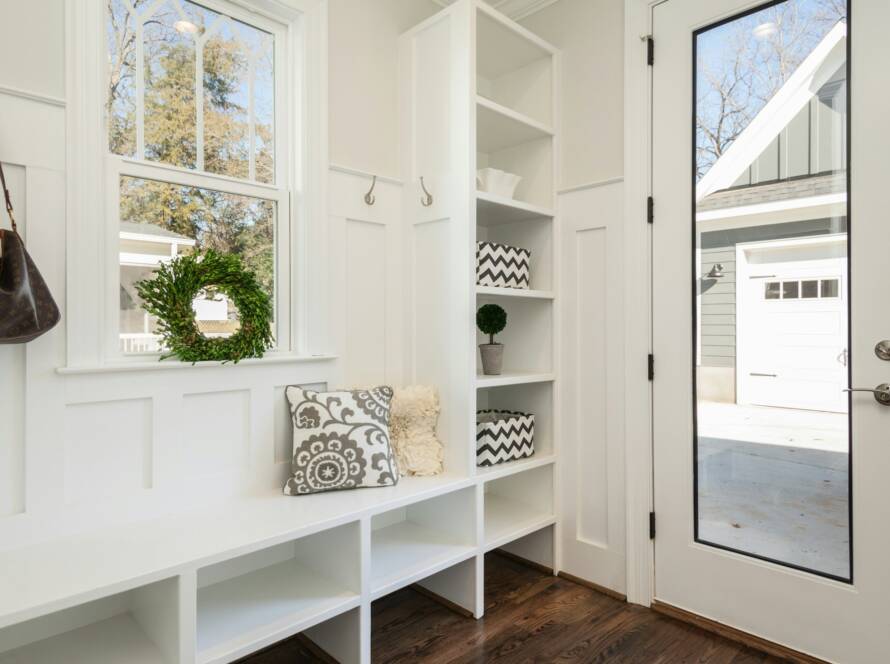
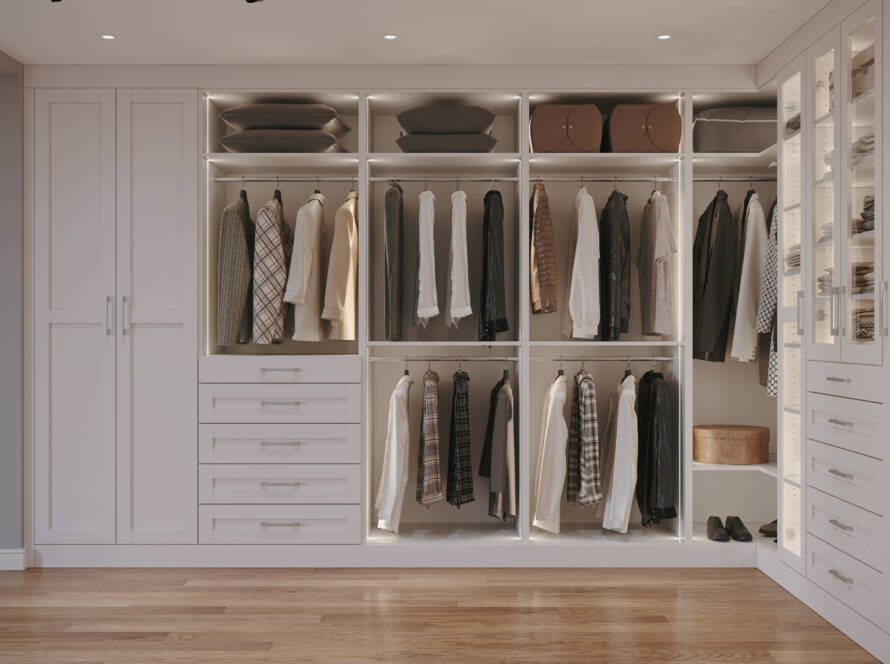
Understanding Kitchen Cabinet Types
When embarking on a kitchen renovation, one of the most pivotal decisions centers around kitchen cabinet selection. Cabinets not only contribute to the overall aesthetic of the kitchen but also play a vital role in its functionality. Understanding the various types of kitchen cabinets available will aid homeowners in making informed choices that align with both their budget and design preferences.
There are three primary types of kitchen cabinets: stock, semi-custom, and custom cabinets. Stock cabinets are pre-manufactured and available in standard sizes and limited finishes. They serve as an economical option, ideal for those on a tight budget or with a short timeline. While their design choices are somewhat restricted, stock cabinets can still offer a range of affordable styles, making them suitable for basic kitchen storage optimization.
Semi-custom cabinets bridge the gap between stock and custom options. They provide more flexibility in terms of sizing and design, allowing homeowners to create a personalized look without the time commitment typically associated with custom cabinetry. These cabinets come in various finishes and styles, enabling individuals to select features that resonate with their overarching aesthetic goals. For those exploring kitchen cabinetry options, semi-custom cabinets can provide a delightful balance of affordability and customization.
Finally, custom kitchen cabinets present a luxurious, tailored solution for those who desire complete control over the design and materials. Crafting unique cabinets offers the opportunity to optimize storage effectively without conforming to pre-existing dimensions. However, this bespoke quality comes at a premium price point, making it essential for homeowners to assess their budgetary constraints when considering custom designs. By weighing these cabinet types carefully, readers can make judicious decisions in their kitchen cabinet selection guide.
Assessing Your Kitchen Space
Before embarking on the journey of kitchen cabinet selection, it is crucial to assess your kitchen space thoroughly. Accurate measurements form the foundation for effective cabinet design, ensuring that the chosen cabinetry not only fits seamlessly but also enhances functionality and aesthetic appeal.
Start by measuring the dimensions of your kitchen. This includes length, width, and height of walls, as well as the distance from the floor to any existing windows or countertops. Utilize a reliable measuring tape, and note down your measurements systematically. Be sure to include any permanent fixtures such as appliances, sinks, and doors in your calculations; this will prevent future miscalculations and allow for an accurate fit for custom kitchen cabinets.
Next, evaluate the current layout of your kitchen. Understanding the layout is important for optimizing kitchen storage, as it allows you to determine the flow of traffic within the space. Consider how people move through the area—are there clear pathways, or does the layout create congestion? Highlight zones such as cooking and prep areas, as well as dining sections. This information will influence your cabinet choices, aiding you in deciding areas where more storage might be necessary or which cabinets to place at different heights.
An effective kitchen design must also take into account the traffic flow and ergonomics within the space. For example, the optimal placement of cabinetry should facilitate easy access to frequently used items and create a harmonious flow for preparing meals. When choosing kitchen cabinetry, be mindful of balance and proportion; the scale of cabinets should suit both the overall space and individual preferences. Allowing adequate clearance between cabinetry and walkways will enhance usability.
In conclusion, measuring and assessing your kitchen space is vital in the kitchen cabinet selection guide. By taking precise dimensions and understanding your kitchen’s layout, you can make informed decisions that result in optimized storage solutions and an aesthetically pleasing kitchen design.
Cabinet Materials and Durability
When embarking on a kitchen renovation, understanding the various materials used in cabinet construction is essential for making informed decisions. The choice of material not only affects the cabinets’ durability but also influences their maintenance requirements and overall aesthetic appeal. Among the most common materials are plywood, particleboard, and solid wood, each boasting unique characteristics.
Plywood is often lauded for its durability and resistance to moisture. Constructed from thin layers of wood veneer glued together, it offers strength and stability while preventing warping. Plywood cabinets can withstand the rigors of daily use, making them a popular option for those considering kitchen cabinet selection. Furthermore, they accept a range of finishes, allowing for customization in appearance.
On the other hand, particleboard, composed of wood chips, sawmill shavings, and adhesives, is a more affordable option. While it may not be as robust as plywood or solid wood, modern advancements have improved its durability. Particleboard is generally less water-resistant than plywood and requires careful placement away from moisture-prone areas. Maintenance is minimal but may involve sealing exposed edges to prevent swelling.
Solid wood cabinetry is often seen as the gold standard for kitchen cabinetry due to its longevity and natural beauty. Available in various species, such as oak, maple, and cherry, solid wood provides a warm aesthetic that can enhance any kitchen design. However, it requires regular maintenance to preserve its finish and prevent potential damage from humidity and temperature fluctuations.
Ultimately, the material you choose for your kitchen cabinets should align with both your budget and your long-term vision for kitchen storage optimization. By weighing the options of plywood, particleboard, and solid wood, you can confidently navigate your cabinet design tips to create a space that is both functional and visually appealing.
Cabinet Style and Aesthetic
When considering a kitchen renovation, the cabinet style plays an essential role in defining the overall aesthetic of the space. A well-thought-out kitchen cabinet selection guide should encompass the various themes available, including traditional, contemporary, and farmhouse designs. Each of these styles brings distinct characteristics and charm, allowing homeowners to express their personal taste while enhancing functionality.
Traditional cabinetry often features ornate detailing, raised panel doors, and rich, warm wood tones. This style evokes a classic and timeless feel, ideal for kitchens that aim to exude elegance and warmth. Incorporating elements like crown molding and decorative hardware can further enhance the traditional look. Design enthusiasts choosing kitchen cabinetry in this style should ensure that it harmonizes with other elements in the kitchen, such as countertops and backsplashes, for a cohesive design.
On the other end of the spectrum is contemporary cabinetry, which showcases clean lines, minimalist designs, and a focus on functionality. This style often utilizes materials such as sleek laminates or glass panels, providing a modern edge. For those looking to achieve kitchen storage optimization, contemporary cabinets can effectively maximize space with clever organizational features, such as pull-out shelves and built-in dividers.
Farmhouse design, often characterized by a relaxed and airy feel, combines rustic elements with practicality. Key features of farmhouse cabinetry include shaker-style doors, distressed finishes, and a focus on natural materials. The appeal of this style lies in its ability to create inviting and family-oriented spaces. When choosing custom kitchen cabinets in a farmhouse style, homeowners might consider open shelving or glass-front cabinets to display dishware and add a personal touch.
Ultimately, selecting the right cabinet style is vital for achieving a coherent kitchen theme and ensuring the space not only meets aesthetic demands but also serves its functional purpose.
Choosing the Right Finish for Kitchen Cabinets
Determining the ideal finish for your kitchen cabinetry is a crucial step in the renovation process, as it influences both aesthetic appeal and functionality. The variety of finishes available can make the decision overwhelming, yet understanding the pros and cons of each will assist you in making an informed choice.
Paint is one of the most popular choices, offering a wide spectrum of color options. Painted cabinets can enhance a contemporary look or provide a classic feel, depending on the color and sheen selected. Additionally, they are often easier to apply and can transform older cabinets, making them appear brand new. However, painted finishes can be more susceptible to chipping and may require touch-ups over time, making maintenance an important consideration in your kitchen cabinet selection guide.
Another common finish is stain, which highlights the natural beauty of the wood grain. Stains are great for conveying warmth and adding depth to your kitchen design. They are available in various hues, allowing you to coordinate with your overall decor style. While stains can provide a robust and durable surface, they may require reapplication after several years to maintain their luster. This aspect plays a significant role in kitchen storage optimization, particularly if durability is a priority in your cabinet design tips.
Lastly, veneers offer a unique option by combining the beauty of solid wood with the practicality of engineered materials. Veneered cabinets can provide a luxury look at a more attainable budget and can withstand day-to-day wear and tear quite well. However, they might not be as easily refinished as solid wood options, and the thickness of the veneer is something to consider in your cabinetry selection. Ultimately, the finish you choose should align with your stylistic preferences and lifestyle demands, balancing beauty with practicality.
Functionality and Storage Solutions
When undertaking a kitchen renovation, the selection of cabinetry plays a pivotal role not only in aesthetics but also in functionality. Choosing kitchen cabinetry that maximizes storage potential is essential for effective kitchen storage optimization. A variety of innovative storage features are available that can transform any kitchen into a highly efficient workspace.
For instance, pull-out drawers are an excellent solution for optimizing space while providing easy access to items placed in the back. When considering cabinet designs, it is essential to look for drawers that glide smoothly and can accommodate heavy loads, ensuring comfort during use. Lazy Susans, another practical addition, offer a clever way to utilize corner spaces that are often underutilized. This rotating shelf system allows users to reach pantry items effortlessly, thereby enhancing organization and overall kitchen efficiency.
Furthermore, built-in dividers are ideal for maintaining order within drawers. These dividers can neatly separate utensils, cutlery, and other kitchen tools, preventing clutter and making each drawer a well-organized mini-station. While evaluating your kitchen cabinet selection guide, consider cabinetry that offers such features to improve function.
Moreover, incorporating vertical dividers for baking sheets or trays can significantly enhance usability, making it easy to keep everything easily accessible. Custom kitchen cabinets can be designed to incorporate varying depths and widths, providing even more specialized solutions tailored to individual needs. Ultimately, when assessing functionality, the key lies in selecting designs that cater to your unique cooking and storage habits. By thoughtfully planning your kitchen cabinetry choices, you can create a space where functionality seamlessly meets personal style.
Budgeting for Your Cabinets
When embarking on a kitchen renovation, realizing the financial implications of your kitchen cabinet selection is crucial. Setting a well-defined budget not only aids in avoiding unexpected expenses but also helps in optimizing kitchen storage through a thoughtful allocation of funds. Start by researching the average costs of custom kitchen cabinets and how they align with your overall renovation budget. Understanding the price range for different styles and materials will provide a realistic framework for your spending.
In addition to the base price of the cabinets themselves, you should account for auxiliary expenditures such as installation fees, hardware, and finishing touches. These additional costs can add up quickly, and failing to account for them can lead to budget overruns. Installation costs can vary considerably depending on the complexity of your cabinet design, making it imperative to obtain quotes from potential contractors early in the decision-making process.
When choosing kitchen cabinetry, it is essential to prioritize your spending according to your needs and preferences. Consider whether certain features—like pull-out shelves for kitchen storage optimization or a specialized cabinet for your microwave—are worth the additional cost. These factors are vital in enhancing not just the aesthetic of your kitchen but also its functionality.
Finally, create a flexible budget that allows for adjustments as you go along. Sometimes you will discover options that provide better value or features may become a priority as your project develops. By maintaining an adaptable approach while keeping your original goals in mind, you will navigate your cabinet design process more effectively, ensuring that your kitchen reflects both your vision and fiscal responsibility.
Sourcing and Selecting a Supplier
The process of selecting the right cabinets for your kitchen renovation is incomplete without identifying a reputable supplier. A reliable supplier not only provides quality products but also contributes to a seamless renovation experience, making sourcing crucial in your kitchen cabinet selection guide. Begin by researching suppliers that specialize in custom kitchen cabinets, as they often offer unique designs tailored to your specific needs.
One effective way to gauge a supplier’s reliability is by checking online reviews. Websites like Houzz or Yelp can provide insights from previous customers regarding their experiences with different cabinet brands and suppliers. Pay attention to both positive and negative feedback, as this can give you a clear picture of what you might expect from a specific manufacturer.
Additionally, seeking recommendations from friends, family, or professionals in the interior design field can lead you to trustworthy suppliers. Personal referrals often come with firsthand experiences, which can be more valuable than online reviews. Don’t hesitate to visit local showrooms as well to gain a tactile sense of the cabinet materials, finishes, and styles available, which can aid in your decision-making process.
While assessing different suppliers, it’s essential to understand their warranty and return policies. A good warranty demonstrates that the manufacturer stands by their product quality; thus, make sure to verify the coverage for defects or damages. Furthermore, a clear return policy can accept changes in your choice of cabinetry should you find a better option during your kitchen renovation journey.
Ultimately, making informed choices about your kitchen cabinetry supplier is an essential part of kitchen storage optimization. By focusing on reliable sources, you will have a solid foundation for a successful kitchen renovation.
Installation Considerations and Tips
When embarking on your kitchen renovation journey, the installation of your new cabinetry is a critical phase that can significantly influence the outcome of your project. As you navigate the kitchen cabinet selection guide, it is important to understand the various installation options available, including the choice between DIY (Do-It-Yourself) and hiring professional installers.
For those considering taking on the task themselves, it is essential to assess your skills and experience in cabinet installation. While the prospect of saving money may be tempting, the installation process can be intricate and requires precision to ensure that the cabinets are leveled and securely attached. Familiarize yourself with cabinet design tips such as measuring twice and cutting once, which will help mitigate potential errors during installation. Additionally, you may want to research which tools and materials are necessary for your specific cabinetry type. If you opt for custom kitchen cabinets, keep in mind that the installation may involve additional steps or specialized knowledge.
On the other hand, hiring professionals for the installation can alleviate much of the stress associated with this process. An experienced team will typically have a streamlined approach to installing kitchen cabinetry, ensuring efficient and accurate placement. They also often provide guidance on kitchen storage optimization, maximizing your space’s functionality. While this option might incur a higher up-front cost, many homeowners find that the peace of mind and professional finish justifies the investment.
Regardless of your installation choice, it is essential to maintain open communication with your installer or to have a detailed timeline and plan if you are tackling the installation yourself. Preparing adequately will contribute to a smoother and more successful cabinetry installation, enhancing the overall functionality and aesthetic appeal of your kitchen.