Introduction to Laundry Room Organization
In the realm of home design, laundry room organization plays a crucial role, especially in maximizing small utility spaces. Often, these areas tend to be overlooked; however, a well-organized laundry room not only enhances functionality but also elevates the overall home experience. The importance of maintaining order in such spaces can significantly reduce daily stress, transforming laundry chores from a daunting task into a streamlined process. When every item has a designated place—be it detergents, fabric softeners, or laundry baskets—efficiency is greatly improved, allowing homeowners to manage their chores with greater ease.
Moreover, with the right approach to organization, even the most compact laundry spaces can reflect a sense of style and sophistication. This is where cabinetry comes into play, providing a smart solution for storing essential items while also contributing to the aesthetic appeal of the room. Thoughtfully designed cabinets can seamlessly integrate into the décor, showcasing a blend of utility and design. Opting for sleek cabinetry not only maximizes vertical space but also helps to hide clutter, giving the laundry area a clean and polished look.
In an era where both function and form are increasingly valued in home spaces, it is essential to approach laundry room organization with an eye for detail. Choosing the right cabinets, colors, and layouts can create a harmonious balance that transforms the perception of this often-neglected space. In the upcoming sections, we will explore practical tips and stylish ideas to further enhance laundry room efficiency, ensuring that it remains a vital part of the home without feeling cramped or chaotic.
Benefits of Having Cabinets in Your Laundry Room
Incorporating cabinets into your laundry room can significantly enhance its functionality, especially when dealing with limited space. One of the primary benefits of laundry room cabinets is their capacity for storage. These cabinets can effectively house various laundry supplies, such as detergents, fabric softeners, and stain removers, keeping them organized and easily accessible. This not only saves time during laundry tasks but also minimizes clutter on countertops and floors, cultivating a cleaner environment.
Beyond storage, cabinets provide an effective solution for organizing miscellaneous household items that might typically accumulate in a laundry area. Items such as brooms, mops, pet supplies, or even seasonal linens can be neatly tucked away in cabinets, granting you a tidy and serene laundry experience. This is especially important in smaller laundry rooms where space can feel restricted, as thoughtful storage solutions maximize utility without compromising on style.
Another key advantage of adding cabinets to your laundry room is their contribution to cohesive design. Cabinets are available in various styles, colors, and finishes, allowing homeowners to select options that complement the existing decor and create a stylish aesthetic. Whether you prefer a modern look with sleek cabinetry or a more traditional style with wooden finishes, incorporating cabinets can elevate the overall design of the space.
In summary, the integration of cabinets into your laundry room serves multiple purposes, from providing essential storage and organization to enhancing the room’s visual appeal. By making a strategic investment in cabinetry, you can transform a small utility space into an organized and inviting area that meets both practical needs and aesthetic preferences.
Choosing the Right Style of Cabinets
When selecting cabinets for a laundry room, it is essential to consider the style that harmonizes with your home’s overall aesthetic. Four prevalent styles are modern, traditional, rustic, and minimalist, each offering unique qualities that can enhance the functionality and appearance of your space.
Modern cabinets typically feature sleek lines, bold colors, and finishes such as high-gloss laminate or matte. This style is ideal for those who favor a contemporary look, providing an uncluttered and chic environment. Pairing modern cabinets with stainless steel appliances can amplify a sense of sophistication.
In contrast, traditional cabinets exude timeless elegance. Crafted from rich woods with intricate detailing, these cabinets often incorporate molding and decorative hardware. They beautifully complement vintage or classic decor, allowing homeowners to create a warm, inviting atmosphere.
For a cozier and more organic feel, rustic cabinets made from reclaimed wood or distressed finishes bring natural elements indoors. This style enhances the home’s charm and is particularly effective in settings where nature-inspired accessories are present. Appropriate color choices, such as earthy tones or soft pastels, can further reinforce the rustic ambiance.
Minimalist cabinets focus on simplicity and functionality. Their straightforward designs often utilize neutral colors and simple hardware, creating a calm and decluttered look. Such cabinets work well in smaller laundry rooms, making the space feel open and airy.
When choosing colors and finishes, consider how they interact with existing elements in the laundry room. A well-thought-out color palette can unify the look, making the room appear more organized and stylish. Selecting cabinets that either contrast or complement walls, countertops, and flooring will significantly impact the overall feel of the space.
Maximizing Storage Space with Smart Cabinet Solutions
When dealing with a small laundry room, effective storage solutions are paramount to maintaining both organization and style. Smart cabinet solutions can optimize the available space while ensuring that all laundry essentials are easily accessible. One innovative approach to maximizing storage is vertical stacking. By utilizing tall cabinets that extend upwards, homeowners can take advantage of unused vertical space. This design not only offers ample room for detergent, fabric softener, and other laundry supplies but also keeps them within reach.
Another clever solution is the incorporation of pull-out shelves. Unlike traditional fixed shelves that may limit accessibility, pull-out designs allow for easy access to the back of cabinets, making it simpler to retrieve items that might otherwise be forgotten. These shelves can be customized to fit the specific dimensions of the cabinet and can accommodate various sizes of containers and bottles, enhancing the overall efficiency of storage.
Multi-functional cabinets also provide unique opportunities for maximizing space. For instance, cabinets that feature built-in hampers or ironing boards can serve dual purposes, allowing for better organization without cluttering the space. Incorporating such features not only increases storage capacity but also introduces a level of functionality that can significantly improve the laundry experience.
Utilizing different compartments within cabinets can further streamline organization. For example, creating designated areas for frequently used items alongside compartments for less common supplies can promote a more organized environment. Labels can also be used to identify these compartments, which will make it easier to find what one needs quickly.
In conclusion, smart cabinet solutions, like vertical stacking, pull-out shelves, and multi-functional designs, can transform a cramped laundry room into a highly organized, functional space that meets the needs of any household.
Incorporating Accessories for Added Functionality
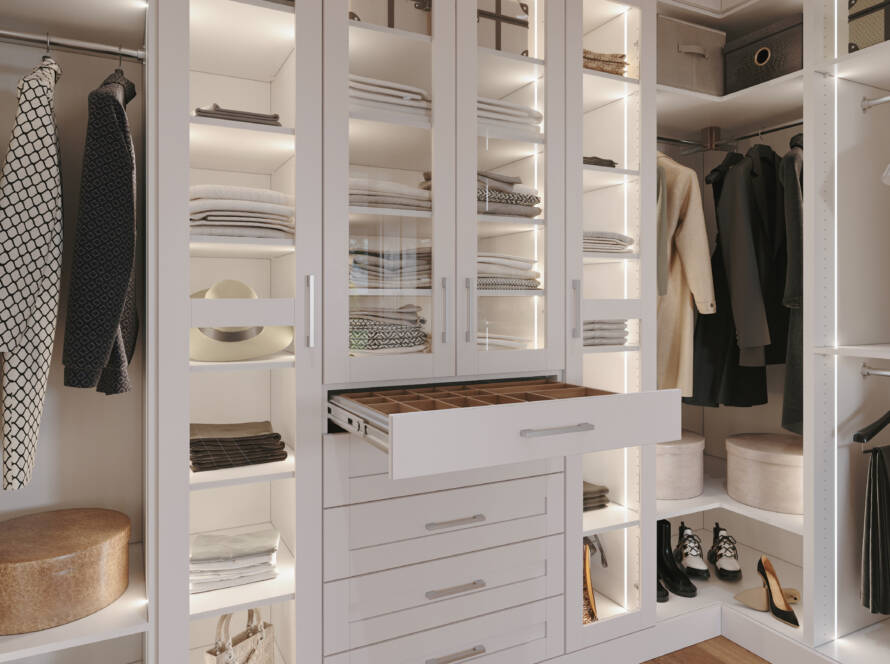
Enhancing the utility and aesthetic appeal of laundry room cabinets can be achieved through the careful selection of accessories. These elements not only serve functional purposes but also contribute to the overall design of the space. One of the most effective tools for organization is drawer dividers. By segmenting space within drawers, users can categorize items such as cleaning supplies, clothespins, and fabric softeners, ensuring that everything has a designated spot. This not only simplifies the process of finding needed items but also helps maintain a clutter-free environment.
Another practical accessory is the use of baskets. Woven or wire baskets can be placed both inside and on top of laundry room cabinets to store various items. For instance, smaller baskets can hold laundry essentials such as detergent pods, dryer sheets, or even small garments requiring special care. In contrast, larger baskets can be designated for keeping dirty laundry organized by color or type, creating a streamlined washing process.
Additionally, racks or shelves can significantly enhance the functionality of laundry room cabinets. Wall-mounted racks provide an excellent solution for storing frequently used items, making them readily accessible. Optical storage options, such as decorative boxes or labeled bins, can further blend style with function, contributing to a well-organized appearance. Stylish cabinet liners can serve both aesthetic and functional purposes, providing protection while maintaining a cohesive look.
By integrating these accessories into your laundry room cabinetry, you not only optimize the available space but also create a stylish and organized setting. Such thoughtful enhancements can elevate a simple utility space into an efficient and visually pleasing area of the home.
When it comes to installing laundry room cabinets, homeowners often face the choice between a DIY approach and hiring a professional. Each option has its own set of advantages and disadvantages that should be carefully considered, particularly in terms of cost, time, skill level, and the complexity of the installation process.
A DIY installation can be a fulfilling endeavor for those who take pride in their handiwork. One of the primary advantages of going the DIY route is cost savings. By purchasing the cabinets and handling the installation yourself, you can avoid labor costs associated with hiring a professional. Moreover, many hardware stores offer tutorials and resources to assist homeowners in the installation process, which can be especially helpful for those with some basic carpentry skills.
However, a DIY installation does require a certain level of skill and time investment. For individuals who lack experience or are unfamiliar with cabinet installation procedures, the process can quickly become overwhelming. Mistakes made during installation can lead to additional costs for repairs or replacements, potentially negating the initial savings. Additionally, if your laundry room has unique dimensions or requires specialized fittings, a DIY approach may not deliver the best results.
On the other hand, hiring a professional installer can streamline the process significantly. Professionals bring experience and expertise, ensuring that the cabinets are installed correctly and efficiently. This can be particularly beneficial in complex installations that require precise measurements or modifications. Furthermore, a professional can also provide guidance on selecting the best cabinet styles and layouts suited to the unique characteristics of your laundry space.
Nevertheless, the main drawback of hiring a professional is the associated cost. Labor fees can significantly increase the total expense of your laundry room upgrade. Ultimately, the decision between DIY and professional installation will depend on your budget, time availability, and confidence in your skills. Assessing these factors can help you make a well-informed choice that best suits your situation.
Color Schemes and Finishes That Make a Statement
When it comes to designing a laundry room, the choice of color schemes and finishes plays a pivotal role in achieving an organized feel while also conveying style. A thoughtfully selected palette can transform a utilitarian space into one that feels welcoming and aesthetically pleasing. Popular choices such as soft whites, muted grays, or pale blues can create a serene atmosphere. These colors not only invoke a sense of calm but also help to visually enlarge the space, making it feel less cramped than it might actually be.
On the other hand, vibrant colors such as rich greens, deep navy blues, or even cheerful yellows can inject personality into the laundry room. By incorporating these shades into cabinetry or accents, homeowners can make bold statements that reflect their personal style. An accent wall or colorful storage baskets can complement the cabinets and add a refreshing pop of color without overwhelming the room.
In addition to color, the finish of the cabinets significantly affects the overall appeal. Matte finishes provide a contemporary and sophisticated look, often favored in modern design trends. They are less prone to showing fingerprints and smudges, making them a practical choice for high-traffic areas like the laundry room. Conversely, glossy finishes offer a more dramatic look and can enhance natural light, giving the illusion of a larger, brighter space. Natural wood finishes add warmth and texture, bringing an organic feel that can be both inviting and timeless.
Ultimately, the combination of color schemes and strategic finishes is crucial for creating a laundry room that feels not only functional but also stylish. By selecting colors and finishes that resonate with personal preferences while also considering practicality, any small utility space can be transformed into an enjoyable area that reflects a homeowner’s taste and meets their organizational needs.
Real-Life Inspiration: Stunning Laundry Room Transformations
The transformation of a laundry room can significantly enhance both its functionality and aesthetic appeal. A plethora of real-life examples showcases how strategic cabinet placement and design choices can elevate this often-overlooked space into a stylish and organized utility area. One inspiring transformation features a compact laundry room that utilized a combination of upper and lower cabinets to maximize storage while keeping appliances neatly concealed. By choosing a light color palette and sleek cabinetry, the room feels more open and airy, demonstrating how color can influence perception of space.
Another remarkable example highlights the use of open shelving alongside closed cabinets. This design not only provides ample storage but also personalizes the room with decorative elements and essential items readily displayed. By incorporating plants and colorful baskets, this laundry room exudes warmth and approachability, appealing to families who desire both style and practicality.
For those drawn to a more modern aesthetic, one transformation featured custom cabinetry with a matte black finish. This bold choice combined with metallic accents created a chic and contemporary vibe. Adding functional features such as pull-out drying racks and built-in hampers contributed to the organization of laundry supplies, proving that a stylish setup can also be highly efficient.
Additionally, a rustic-themed laundry room showcased reclaimed wood cabinets for a more traditional feel. The juxtaposition of rustic elements against modern appliances created a charming contrast, illustrating that different design philosophies can seamlessly merge. The effective use of vertical space through high cabinets allowed for maximum storage, catering to practical requirements without sacrificing style.
These transformations illustrate that even small laundry rooms can achieve both organizational efficiency and aesthetic beauty through careful planning and cabinet design. By drawing from these inspiring examples, readers can envision how cabinet utilization can lead to their own successful laundry room makeovers.
Maintenance Tips for Keeping Your Laundry Room Cabinets Looking Great
Maintaining the aesthetic and functional integrity of laundry room cabinets is essential for creating an organized and stylish space. Regular care not only extends the life of these cabinets but also ensures that they remain visually appealing. Below are some essential maintenance tips tailored to various cabinet materials.
For wooden cabinets, it is crucial to keep them clean and dry. Use a soft, damp cloth to wipe away any dust or spills, followed by a dry cloth to prevent moisture buildup. Avoid using harsh chemicals that can strip the finish. Instead, opt for a mild soap solution or specialized wood cleaner. Periodically applying a suitable wood polish will enhance the finish and protect against scratches.
If your cabinets are made of laminated materials, cleaning is simpler. A mixture of warm water and mild detergent will suffice for routine cleaning. Always dry the surface afterward to prevent water damage. Additionally, for any stubborn stains, a soft sponge or cloth should be used, avoiding abrasive materials that could scratch the surface.
Metal cabinets require consistent care, particularly if exposed to high humidity. Regularly check for signs of rust or corrosion; a gentle scrub with a soft brush and mild cleaner can remedy small patches. To maintain a shiny finish, consider using a metal polish designed for the specific type of metal.
Wear and tear is inevitable, so addressing minor issues promptly is vital. If a cabinet door is misaligned or a handle is loose, fix them as soon as possible to prevent further damage. Investing in quality cabinet hardware can also enhance longevity and visual appeal.
By adhering to these maintenance tips, your laundry room cabinets will continue to look stylish and function effectively, protecting your investment for years to come.