Introduction to Kitchen Storage Solutions
Maximizing kitchen storage is a pressing concern for many homeowners, especially in residential areas like Bethesda, where space can often be limited. Properly designed storage solutions not only enhance the functionality of a kitchen but also contribute to the overall aesthetics of the home. In many Bethesda kitchens, residents frequently face several storage challenges, such as inadequate space for essential appliances, lack of accessibility to frequently used items, and insufficient organization systems that lead to clutter.
As the heart of the home, a well-organized kitchen should facilitate efficiency and ease of use. However, many homeowners find that traditional kitchen layouts do not sufficiently accommodate their storage needs. Items such as cookware, utensils, and pantry staples often require more thoughtful placement and storage to maintain order. This is where innovative storage solutions, such as deep worktops and taller cabinets, come into play.
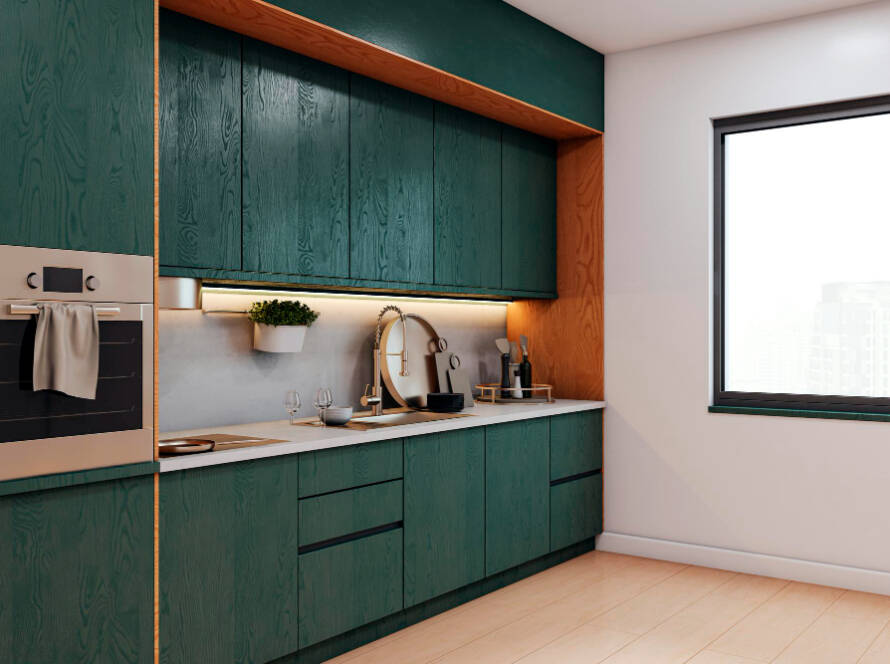
Deep worktops offer a significant benefit by providing additional countertop space, which is essential for both preparation and storage. They allow homeowners to keep appliances and utensils within arm’s reach, thereby enhancing workflow during meal preparation. Additionally, taller cabinets maximize vertical space, increasing overall storage capacity without consuming additional floor space. This is particularly advantageous in smaller kitchens, where every inch counts.
In understanding the importance of maximizing kitchen storage, it becomes clear how deep worktops and taller cabinets can transform the cooking environment. They not only alleviate common storage issues but also create a more efficient and visually appealing kitchen space. By addressing these challenges proactively, homeowners in Bethesda can enjoy a kitchen that reflects both their style and functionality requirements.
Understanding Deep Worktops
Deep worktops are an excellent advancement in kitchen design, providing an alternative to the traditional countertop depths typically found in most homes. Standard countertops usually range from 24 to 26 inches in depth. In contrast, deep worktops extend significantly further, often measuring 30 inches or more. This additional depth transforms the workspace, offering considerable advantages for both cooking and preparation.
One of the primary benefits of deep worktops is the increased surface area they provide. This additional space becomes invaluable for those who engage in extensive cooking or baking. Chefs and home cooks alike can appreciate the ample room for ingredient organization, meal preparation, and even multi-tasking while cooking. When space is limited, the deep worktop allows for easy access to appliances, utensils, and ingredients, minimizing clutter and enhancing efficiency.
The capability of a deeper worktop also addresses the need for better storage solutions within the kitchen. Larger appliances, such as food processors, blenders, and mixers, typically necessitate more surface area for both usage and storage. With deep worktops, homeowners benefit from an area that comfortably accommodates these kitchen tools, enabling users to keep their counters organized while having the most essential items readily accessible.
Moreover, the design flexibility offered by deeper countertops allows for customization based on individual cooking styles and kitchen layouts. Homeowners can create designated zones for different culinary activities, such as baking, chopping, or even assembling meals. This segmentation of space fosters a more organized and functional workspace, aligning with modern kitchen trends that prioritize both aesthetics and practicality.
In essence, the implementation of deep worktops in kitchen design not only maximizes storage but also significantly enhances the overall cooking experience. By allowing for better organization and easier access to tools and appliances, deep worktops present a compelling case for kitchen remodeling considerations.
The Advantages of Taller Cabinets
Taller cabinets have become increasingly popular in modern kitchen design, offering both functional and aesthetic benefits. One of the primary advantages of these cabinets is their ability to maximize vertical space effectively. In homes where floor space is limited, utilizing the height of the kitchen can significantly enhance storage capacity without encroaching upon the valuable square footage of the floor.
By incorporating taller cabinets, homeowners can take advantage of additional shelving and storage areas that would otherwise remain unused. This is particularly beneficial for storing infrequently used items or seasonal kitchenware. With the rise of minimalist kitchen designs, taller cabinets can help to maintain a clean and uncluttered appearance by providing ample storage solutions, thus promoting organization within the space.
Accessibility is a vital aspect when considering the installation of taller cabinets. It is important to ensure that all items stored within these cabinets remain easily reachable. Many modern cabinet designs now include features such as pull-down shelves or integrated step stools, which allow homeowners to access higher storage areas without difficulty. Additionally, these solutions cater to a variety of user needs, making kitchens more functional for all family members.
Aesthetic considerations also play a significant role in the appeal of taller cabinets. These cabinets contribute to a sense of grandeur and elegance within the kitchen, drawing the eye upward and creating an illusion of spaciousness. This design choice often pairs well with various kitchen styles, from contemporary to traditional, as they can be customized with different finishes, colors, and hardware, enhancing the overall interior decor.
In conclusion, taller cabinets offer numerous benefits in terms of maximizing storage, improving accessibility, and enhancing the kitchen’s aesthetic appeal. Homeowners seeking to optimize their kitchen space should consider the advantages of incorporating taller cabinets, making them a practical addition to any modern kitchen design.
Combining Deep Worktops and Taller Cabinets
The integration of deep worktops and taller cabinets within kitchen design plays a crucial role in optimizing space and enhancing functionality. Deep worktops not only provide an expansive surface area for various kitchen activities, but they also contribute to improved organization and accessibility of kitchen essentials. By leveraging deeper work surfaces, homeowners can efficiently utilize space that would otherwise remain underutilized, allowing for the placement of larger appliances and more prep work in close proximity.
On the other hand, taller cabinets serve as an excellent complement to deep worktops, providing increased vertical storage that takes advantage of the entire height of the kitchen. This design choice enables users to store more items without sacrificing floor space, effectively maximizing storage capacity. With taller cabinets, one can achieve a cleaner, more streamlined aesthetic while housing essential kitchen items safely out of sight.
When combined, deep worktops and taller cabinets create a synergy that enhances overall kitchen efficiency. The additional depth in worktops allows for creative layouts that accommodate large cooking equipment and facilitate seamless workflow during food preparation. Meanwhile, the taller cabinets can house seldom-used items or seasonal kitchenware, allowing for a tidy and organized area where frequently accessed items remain easily reachable.
Moreover, utilizing both deep worktops and taller cabinets can lead to thoughtful design choices that reflect the homeowner’s lifestyle needs. For instance, a deeper work surface may include designated zones for baking, meal prep, or serving, allowing for tailored space that meets specific culinary responsibilities. Taller cabinets can be personalized with pull-out shelves or lazy Susans, enhancing accessibility for all stored items while ensuring that every inch of storage is effectively employed.
Storage Solutions for Small Kitchens in Bethesda
Homeowners in Bethesda facing the challenge of a compact kitchen can significantly enhance functionality and storage capability through the strategic use of deep worktops and taller cabinets. These elements not only optimize available space but also create a more efficient cooking environment, making small kitchens feel larger and more user-friendly.
One effective approach is to install deep worktops, which offer not only additional surface area for food preparation but can also accommodate more storage options below. For example, a deep countertop can offer an extended space for appliances such as mixers or food processors while still allowing for under-counter drawers and cabinets for storing utensils, pots, and pans. This arrangement minimizes clutter and maximizes usability, which is particularly beneficial in tighter spaces.
Incorporating tall cabinets is another essential strategy for homeowners in Bethesda with limited kitchen dimensions. Tall cabinets draw the eye upward and utilize vertical space that often goes unexploited. These cabinets can house items that are not used on a daily basis or can feature pull-out shelves that make accessing stored goods simpler. A case study in a local Bethesda home showcased a transformation where conventional lower cabinets were replaced with taller, slim-line cabinets, providing a dramatic increase in storage capacity without taking up additional floor space.
Combining these elements creates a holistic storage solution. For instance, homeowners can install a deep worktop adjacent to tall cabinets, creating a workspace that is not only practical but also aesthetically pleasing. With careful planning, such adjustments ensure that every inch of space is utilized effectively, providing a comfortable environment for cooking and entertaining.
By implementing deep worktops and taller cabinets, Bethesda homeowners can turn their small kitchens into remarkable spaces with improved storage and accessibility, demonstrating that limited square footage does not have to compromise functionality.
Design Trends in Kitchen Storage
In recent years, the kitchen has transitioned from being merely a functional space to a hub of design and aesthetic appeal. A notable trend in kitchen design revolves around the maximization of available space, with particular emphasis on deep worktops and taller cabinets. These features serve not only practical purposes but also contribute to the overall visual coherence of modern kitchens.
Deep worktops have become increasingly popular, allowing home chefs and families to utilize surface areas more effectively. With the rise of multi-functional kitchen layouts, deep worktops provide ample space for meal preparation, cooking, and even as a casual dining area. This spaciousness is particularly advantageous in smaller kitchens, where maximizing counter space is essential. By integrating deeper surfaces, homeowners can accommodate a variety of appliances without sacrificing style or usability.
Taller cabinets are another significant element in contemporary kitchen design. They offer increased vertical storage, making it easier to organize kitchen essentials while keeping countertops free of clutter. This design option is especially relevant in minimalist aesthetics that favor simplicity and organization. By utilizing the full height of the kitchen, taller cabinets not only add visual height to the room but also enhance functionality without compromising on style.
The combination of deep worktops and taller cabinets aligns well with current design themes that prioritize multi-functionality and efficient space utilization. As homeowners seek to create inviting environments that reflect their lifestyles, these features become essential elements. The incorporation of these trends caters to an array of preferences, whether one favors the clean lines of minimalism or a more eclectic blend of styles. Modern kitchen designs continue to evolve, but the focus on maximizing both space and functionality remains a steadfast priority.
Materials and Finishes for Worktops and Cabinets
When designing a kitchen with deep worktops and taller cabinets, the choice of materials and finishes plays a crucial role in both functionality and aesthetics. Various materials offer distinct advantages and can significantly impact the overall look and usability of the kitchen space.
For worktops, common materials include granite, quartz, wood, and laminate. Granite and quartz are popular due to their durability and resistance to scratches and stains, making them ideal for busy kitchens. Both materials can be polished to a high sheen, adding a touch of elegance and sophistication to the worktop. On the other hand, wooden worktops provide a warm, natural look, and can be easily customized in terms of finish and treatment. However, they require regular maintenance, such as oiling and sealing, to preserve their appearance and prevent damage from moisture.
Laminate surfaces are another option, known for their affordability and versatility. Available in a wide range of colors and patterns, laminate can mimic the look of more expensive materials without the associated cost. While not as durable as stone or solid wood, laminates are easy to clean and highly resistant to stains, making them a practical choice for many households.
When it comes to taller cabinets, the choice of material can greatly influence storage capacity and the aesthetic flow of the kitchen. Solid wood cabinets are favored for their durability and classic appeal, though they can be expensive. Medium-density fiberboard (MDF) or plywood alternatives offer a budget-friendly option while still providing strength and stability. The finish applied to these cabinets, whether painted, stained, or sealed, will determine not only the color but also the texture and sheen, influencing the perceived size and style of the kitchen.
Ultimately, selecting the right materials and finishes for deep worktops and taller cabinets involves balancing aesthetics with functionality. Consideration of durability and maintenance requirements will ensure that the kitchen remains both beautiful and practical for years to come.
Cost Considerations and Budgeting Tips
When considering a kitchen remodel in Bethesda, the incorporation of deep worktops and taller cabinets can significantly influence both the functionality and aesthetic appeal of the space. However, understanding the cost implications associated with these enhancements is essential for effective budgeting. Homeowners must recognize that while these upgrades can incur higher initial expenses, they often yield long-term benefits.
The installation of deep worktops generally increases countertop space, providing added room for food preparation and other kitchen tasks. This additional surface area, combined with the practicality of taller cabinets for increased storage, can lead to higher material and labor costs. Homeowners should account for these factors when estimating the budget for their kitchen remodel.
To begin accurately budgeting, it is advisable for homeowners to conduct thorough research on the materials available for deep worktops and taller cabinets. Options range from laminate and wood to granite and quartz. Each material differs in price, durability, and maintenance requirements. For instance, while quartz surfaces may be more expensive initially, their durability and minimal maintenance can lead to savings over time.
Moreover, when planning for cabinetry, it is beneficial to measure the dimensions of your kitchen to determine how many cabinets are necessary. Homeowners should consider the impact of cabinet height on overall kitchen design and functionality; taller cabinets provide remarkable vertical storage but may also necessitate custom installations, impacting costs.
Another budgeting tip involves seeking multiple quotes from contractors. By comparing estimates and services, homeowners can make informed decisions that align with their financial capabilities. Additionally, prioritizing essential features over aesthetic enhancements allows for better allocation of the budget.
In conclusion, while the costs associated with deep worktops and taller cabinets can be considerable, careful planning and informed choices can help homeowners in Bethesda achieve a balance between functionality and stylish design in their kitchens.
Conclusion: The Future of Kitchen Storage in Bethesda
In the evolving landscape of kitchen design, the integration of deep worktops and taller cabinets stands out as an essential strategy for enhancing storage solutions and functionality. Throughout this discussion, we have explored how deep worktops can significantly maximize workspace, allowing homeowners to utilize every inch effectively. These features not only improve the aesthetics of the kitchen but also contribute to a more efficient cooking and meal preparation experience.
Additionally, the advantages of taller cabinets cannot be understated. By implementing taller cabinets, homeowners in Bethesda can leverage vertical space, promoting a cleaner and more organized kitchen environment. This design choice provides ample room for storing appliances, utensils, and pantry items, ultimately leading to a more streamlined cooking process. The combination of these elements fosters an appealing kitchen layout that efficiently accommodates the daily needs of families.
As we look towards the future of kitchen storage solutions in Bethesda, it is clear that deep worktops and taller cabinets should be considered paramount. These practical enhancements not only address the common challenges of limited storage but also embody a contemporary aesthetic that resonates with modern design principles. Homeowners seeking to optimize their kitchen should reflect on these features and consider their potential benefits.
As you contemplate your kitchen remodel or renovation, we encourage you to think about how deep worktops and taller cabinets can transform your space. For those interested in exploring these options further, seeking consultation with a design expert could provide valuable insights tailored to your specific needs. Embracing these innovative solutions is a step towards a more functional, organized, and beautiful kitchen.