Understanding Built-in Cabinets
Built-in cabinets are custom-designed storage solutions that are integrated into the architecture of a home, providing both functionality and aesthetic appeal. Unlike standalone furniture pieces, these cabinets are tailored to fit specific dimensions and stylistic preferences, making them an ideal choice for optimizing space in homes, particularly in the DMV area where efficient use of space is paramount. One of the primary advantages of built-in cabinets is their ability to enhance living spaces without overwhelming them. They can be crafted to blend seamlessly with existing architecture, ensuring that they complement the overall design of the room.
Customizability is a significant benefit of built-in cabinets. Homeowners can choose materials, finishes, and configurations that suit their individual tastes and requirements. Whether in a living room or home office, these cabinets can be designed to house everything from books and decorative items to office supplies and technology. This level of design consideration allows for personalization that standalone furniture cannot typically offer.
Another advantage of built-in cabinets is their space-saving capability. They can be designed to utilize vertical space effectively, drawing the eye upward and creating an impression of a larger area. In smaller DMV homes, this maximizes every square foot, offering storage solutions without sacrificing floor space. Furthermore, built-in cabinets can include innovative features such as hidden compartments and integrated lighting, enhancing both their functionality and visual appeal. By incorporating built-in cabinets, homeowners not only create a more organized environment but also elevate the overall style and efficiency of their living spaces.
Assessing Your Storage Needs
A crucial first step in optimizing your living room and home office space with built-in cabinets in the DMV area is to thoroughly assess your specific storage needs. Begin by taking inventory of all items that require storage. This could range from books, office supplies, and documents in a home office to electronics, games, and decorative items in a living room. Make a list of these items, categorized by frequency of use and necessity. This approach will help you identify what needs to be easily accessible versus what can be stored out of sight.
Next, evaluate the available space in your designated areas. Measure wall dimensions, corners, and any underutilized nooks that could be transformed into functional storage locations. Take note of any existing furniture, as this can influence both the design and placement of built-in cabinets. An accurate measurement is essential not only for ensuring that your cabinets fit but also for maximizing their capacity without overwhelming your space.
Finally, prioritize your storage solutions based on your lifestyle and work-from-home arrangements. For example, if you have a flexible remote work schedule, your home office may require more frequent access to office supplies, necessitating easy-to-reach built-in cabinets. Conversely, in a living room, you might prioritize aesthetic appeal, opting for cabinets that blend seamlessly while still providing adequate storage for occasional use items. By taking these steps, you will ensure that your built-in cabinets in the DMV area align with your lifestyle, enhancing both the functionality and look of your living spaces.
Design Ideas for Living Room Built-in Cabinets
When it comes to maximizing the functional space in your living room, built-in cabinets offer myriad design possibilities that blend both style and practicality. One creative option is to create an entertainment center that integrates both cabinetry and media components. This design can serve as a focal point in the room while providing ample storage for electronic devices, movie collections, and gaming consoles, ensuring that your living room remains tidy and organized.
Another innovative idea is to incorporate display shelves within the built-in cabinets. These open shelves can be strategically placed to showcase decorative items, framed photographs, or even a small indoor garden. They not only help to personal touch to your living space but also allow for easy access to your favorite decor items. When designing these shelves, consider varying the heights and placements to create a visually appealing arrangement that catches the eye.
For those who adore reading, integrating a cozy reading nook into the built-in cabinets can transform your living area into a sanctuary for book lovers. This could involve designing a small seating area with plush cushions and overhead lighting, all encapsulated by cabinetry that holds favorite books and literary treasures. This layout not only utilizes the vertical space effectively but also enhances the overall ambiance of the living room.
Overall, the implementation of built-in cabinets in the DMV living rooms can significantly elevate the storage capabilities while maintaining aesthetic value. With options like entertainment centers, display shelves, and reading nooks, homeowners can tailor their living spaces to reflect their lifestyle while ensuring that every inch is utilized efficiently. The key is to merge functionality with design, creating a harmonious environment that resonates with both practicality and style.
Home Office Built-in Cabinet Solutions
In the era of remote work and home offices, creating an efficient workspace is more essential than ever. Built-in cabinets dmv offer a seamless approach to maximizing storage and enhancing productivity in the home office environment. One of the primary benefits of built-in cabinetry is the ability to tailor solutions to specific needs, ensuring that every inch of space is utilized effectively.
For instance, incorporating filing cabinets into your built-in design can streamline document storage and retrieval processes. Opting for cabinets that include designated spaces for files can help maintain organization, preventing clutter and distractions. In addition to traditional filing systems, implementing vertical storage solutions can increase storage capacity while keeping essential documents within easy reach.
Another effective built-in cabinet solution is the integration of multifunctional workspaces. By incorporating a desk that melds into cabinetry, you create a cohesive look while optimizing the available space. This setup can include shelving above the desktop for frequently used materials or additional surface areas for tasks requiring more room. A fold-out desk can also be an innovative approach, transforming a compact space into an efficient work area when needed.
Moreover, organizational systems within built-in cabinets can enhance workflow. Utilizing drawer dividers or pull-out trays assists in categorizing supplies and tools, ensuring everything is accessible without the mess. By configuring cabinets to your workflow needs, such as including a bulletin board or a corkboard integrated within the cabinetry for notes and reminders, you can further boost your productivity.
Overall, home office built-in cabinets dmv are pivotal in creating a functional workspace. By tailoring these cabinets to address specific needs, you set the stage for enhanced organization and productivity, making your home office not just a place to work, but a space that inspires and promotes efficiency.
Materials and Finishes for Built-in Cabinets
When considering built-in cabinets in the DMV area, selection of suitable materials and finishes plays a crucial role in both aesthetics and functionality. Different wood types serve varied purposes and styles, thus understanding them is essential for making informed decisions. Solid hardwoods such as oak, cherry, and maple are often favored for their durability and classic appeal. These materials can withstand the test of time while adding a touch of sophistication to any living space.
Alternately, engineered wood products like MDF (Medium Density Fiberboard) and plywood offer cost-effective solutions. These materials can be significantly easier to work with, especially when incorporating intricate designs or detailed veneers. Choosing a high-quality veneer can provide the look of solid wood without the associated costs. For a contemporary feel, laminate finishes are also available, which can mimic natural textures and colors while being low-maintenance.
In addition to wood considerations, the choice of paint or stain can significantly enhance the overall look of built-in cabinets. A soft matte finish might complement a modern décor, while a glossy lacquer can add a striking contrast to more traditional settings. Choosing a hue that aligns with the existing color palette of your home is essential for visual cohesion. Hardware options, such as handles and knobs, are equally important; selecting finishes that match other elements in the room, such as light fixtures or door handles, can further enhance the overall design.
Ultimately, the materials and finishes chosen for built-in cabinets in DMV homes should reflect personal style while also harmonizing with the home’s architectural elements. Thoughtful selection will ensure that these built-in structures provide both functional storage and aesthetic appeal, becoming seamless integral parts of the living room or home office.
DIY vs. Professional Installation: Pros and Cons
When it comes to enhancing storage in DMV homes with built-in cabinets, homeowners often face the decision of whether to undertake a DIY project or hire professionals for installation. Both approaches offer distinct advantages and disadvantages, which can significantly influence the final outcome of the project.
One of the primary benefits of DIY installation is cost savings. Homeowners can save on labor costs by performing the work themselves. Additionally, the DIY route allows for complete control over the project timeline and design choices. With countless online resources and tutorials available, even those with limited woodworking skills can successfully construct custom built-in cabinets tailored to their specific needs.
However, there are notable drawbacks to consider. DIY projects can be time-consuming, often requiring significant effort to learn the necessary construction techniques, especially if the homeowner lacks experience. In some cases, the quality of workmanship may not meet professional standards, leading to potential issues with durability or aesthetics. Furthermore, without the right tools and equipment, a DIY installation can become an overwhelming task, potentially resulting in costly mistakes.
On the other hand, hiring professionals for the installation of built-in cabinets ensures access to expert skills and high-quality results. Professional installers often bring a wealth of experience, aiding in the planning and execution of customized solutions tailored to the homeowner’s specific layout and style preferences. This can result in a smoother and faster process, ultimately saving time for the homeowner.
Nevertheless, the downsides of professional installation include higher costs. Homeowners may need to budget for labor expenses, which can significantly increase the overall investment in built-in cabinets. Additionally, the scheduling and coordination of professional services may disrupt the homeowner’s timeline or preferences.
In summary, the decision between DIY and professional installation for built-in cabinets involves weighing cost, time, skill level, and customization. Homeowners should assess their own abilities and priorities to determine which option aligns best with their vision for improved storage in their living rooms or home offices.
Maximizing Small Spaces with Built-in Cabinets
In today’s fast-paced world, effective utilization of available space has become increasingly important, especially in smaller living rooms and home offices. Built-in cabinets dmv can provide significant storage solutions that enhance both functionality and aesthetics. By implementing strategic design principles, homeowners can significantly maximize their small spaces.
One of the most effective techniques is vertical storage. Utilizing the height of your walls can free up valuable floor space, creating a more open and inviting atmosphere. Built-in cabinets that reach the ceiling not only provide additional storage but also draw the eye upward, giving the illusion of a larger room. These cabinets can house books, decorative items, and office supplies while keeping them organized and within reach.
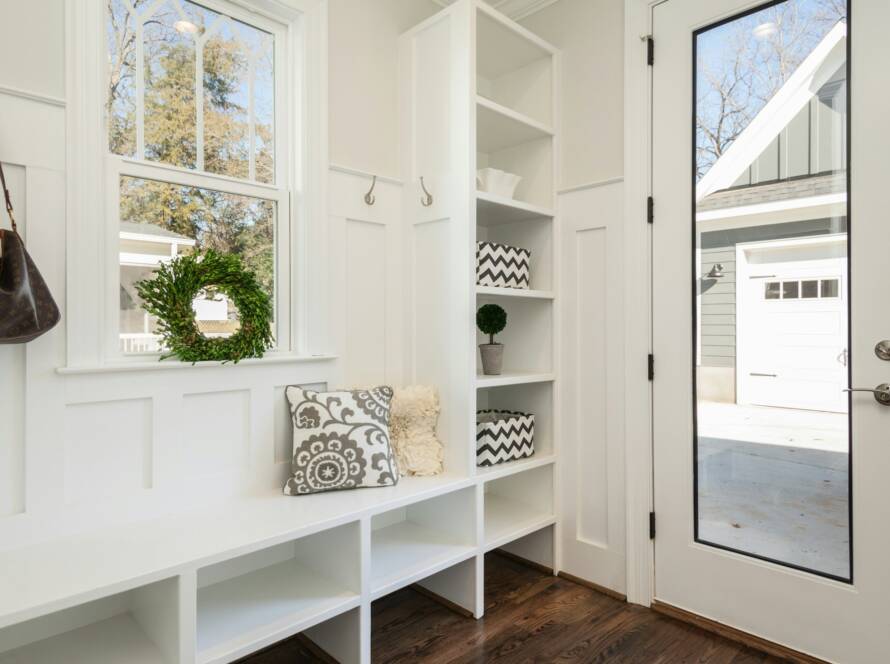
Another way to maximize small spaces is through the use of multi-functional furniture. Consider installing built-in cabinets that double as seating or tables. Such furnishings allow you to minimize clutter without sacrificing comfort or utility. For example, a built-in bench with storage underneath can serve as both a seating area and a place to neatly store blankets or other items, which is especially useful in a compact living room.
Additionally, clever designs that incorporate open shelves or glass-front cabinets can create a light and airy feel. These elements enable you to display items that reflect your style while keeping the space functional. By combining open and closed storage within built-in cabinets dmv, you can strike a balance between showcasing personal belongings and concealing less visually appealing items.
In conclusion, built-in cabinets present an excellent opportunity to enhance storage in smaller homes. By focusing on vertical utilization, incorporating multi-functional furniture, and employing intelligent design solutions, homeowners can effectively maximize their living spaces, ultimately creating a more harmonious environment.
Incorporating Technology in Built-in Cabinets
In today’s modern homes, the integration of technology into living spaces has become increasingly important. For those with built-in cabinets in DMV homes, maximizing the functionality of these fixtures can significantly enhance both storage capabilities and usability. One key aspect of this integration is the implementation of effective cable management solutions. By utilizing built-in cable organizers within cabinets, homeowners can avoid the common problem of visible cords and tangled wires, thus achieving a cleaner and more organized look.
Additionally, incorporating charging stations within built-in cabinets is an excellent way to keep devices powered while maintaining a streamlined appearance. This could involve designing specific compartments equipped with outlets and USB ports, enabling homeowners to charge phones, tablets, and laptops discreetly. These charging solutions help to eliminate countertop clutter, allowing for a more efficient and enjoyable workspace or living area.
Incorporating built-in speakers into these cabinets further enhances the technological aspect of the living space. With customized cabinetry that houses audio equipment, residents can enjoy high-quality sound without sacrificing aesthetics. This is particularly advantageous in home offices or living rooms where functionality and comfort are paramount. By embedding speakers within the cabinetry, homeowners can enjoy music, podcasts, or other audio content while keeping the visual design cohesive.
The careful selection and integration of these technology features into built-in cabinets can transform otherwise ordinary spaces into multipurpose zones that are both stylish and efficient. By approaching the design process with an emphasis on practicality and advanced technology, homeowners in the DMV area can elevate their living environments while optimizing storage solutions. Ultimately, well-designed built-in cabinets can provide both organization and a touch of modern convenience.
Maintaining and Updating Your Built-in Cabinets
Maintaining your built-in cabinets is essential to ensure their longevity and to keep them functioning effectively as storage solutions in your living space. Proper care can prevent wear and tear and can help you avoid costly repairs or replacements. The first step in maintenance is regular cleaning. Use a soft cloth to dust the surfaces of your built-in cabinets dmv to remove dirt and debris. For deeper cleaning, a mild soap mixed with water can be used, but be sure to avoid harsh chemicals that could damage the finish or material.
Additionally, it is important to be mindful of moisture and humidity levels in your home, as these can adversely affect the quality of the cabinetry. Installing a dehumidifier may be beneficial if your area is prone to dampness. It is also recommended to keep heavy items stored away from the edges of shelves, as this can help prevent sagging over time.
As trends and personal tastes evolve, considering updates to your built-in cabinets dmv can also enrich your living spaces. If you notice fading, damage, or simply a desire to refresh the look, repainting or refinishing the cabinets can breathe new life into your home. You might also consider updating the hardware, such as handles and knobs, to modernize the appearance without undertaking a full renovation.
In instances where your storage needs have changed substantially, it may be worth exploring renovations to your built-in units. Expanding or reconfiguring the cabinets can provide additional functionality tailored to your current lifestyle. Consulting with a professional can assist in determining the best approach to renovations to ensure that your built-in cabinets continue to serve your needs effectively.